
Bars, breweries and cooling loads
A packed bar on a Friday night carries a cooling load that has almost nothing to do with the square footage on the lease. Here is why bars and breweries stress cooling equipment differently than a typical retail space, and what that means for keeping the room, the kegs, and the cellar all where they need to be.
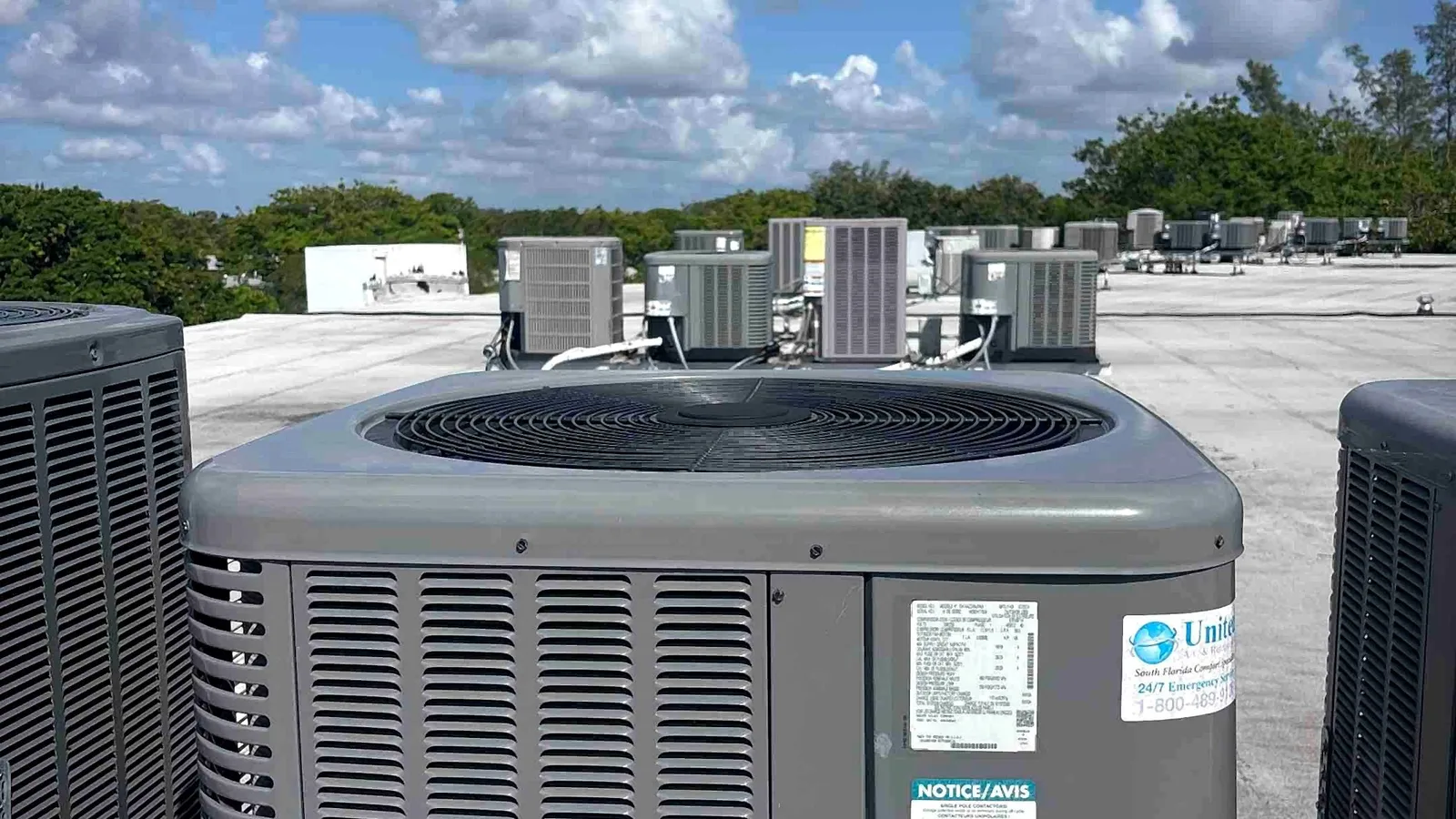
Why does a packed bar need so much more cooling than the room size suggests?
Bars and breweries ask more of their cooling equipment than almost any other commercial space of comparable size. A quiet retail floor and a packed bar on a Friday night might occupy the same square footage, but the bar is carrying body heat from a standing crowd, heat off any kitchen or brewing equipment, and constant door and cooler traffic that a retail space never sees. On top of the comfort load, there is a second, entirely separate cooling job running in the background — keeping kegs, cellars, and draft lines cold — that has nothing to do with how comfortable the room feels. Treating these as one problem is where a lot of bar cooling goes wrong.
Standard load calculations assume a level of occupancy and equipment that a busy bar routinely blows past. A room built for a hundred people standing shoulder to shoulder generates a meaningful amount of body heat on its own, and that heat load spikes fastest exactly when the room is at its most profitable — a packed Friday or Saturday night.
Kitchen and brewing equipment adds its own heat
A bar with a kitchen behind it, or a brewery with active brewing or fermentation equipment on site, is fighting heat sources a pure retail space never has to account for. That heat has to be removed by the comfort system in addition to whatever the crowd is generating, and it does not let up when the equipment is running late into service.
Doors and open coolers work against the system constantly
A bar with a street entrance that opens and closes all night, plus open or frequently accessed coolers behind the bar, is constantly losing conditioned air and pulling in outside heat and humidity. A system sized for a quiet retail floor with a single door gets overwhelmed by this pattern, which is a common reason a bar's AC seems to lose ground steadily through a busy night even though nothing has technically failed. It is the same dynamic that makes convenience store open cases run so hard against a room's air, just applied to comfort cooling instead of refrigeration.
A packed bar and a quiet retail floor can share the same square footage and carry entirely different cooling loads.
United A/C & RefrigerationHow is keg and cellar cooling different from the room's AC?
Keg coolers and cellar refrigeration are a separate system from the comfort AC cooling the room, built to hold a tighter, colder temperature range around the clock regardless of how busy the bar is — the same kind of precision that specialty cooling for sensitive stock demands. Where comfort cooling has some tolerance for drift, beer temperature does not — it directly affects pour quality, foam, and shelf life.
It runs on its own schedule
A keg cooler or walk-in cellar does not care whether the bar is open, slow, or closed for the night; it runs continuously, and a failure does not wait for a convenient moment. A cooler drifting warm overnight can compromise a night's worth of kegs before anyone notices at open.
What that means for monitoring
Because the loss compounds quickly and silently, keg and cellar refrigeration is worth checking at both open and close as a matter of routine, not just when something seems off. If you operate walk-in cellar space, our page on walk-in coolers covers what tends to go wrong and how it is diagnosed.
What do glycol systems need that other equipment does not?
A glycol chiller keeps draft beer lines cold from the keg cooler to the tap, and it is a distinct piece of equipment with its own upkeep, separate from both the room's AC and the keg cooler itself. It circulates a chilled glycol solution through insulated lines, and when it is working well it is invisible — the beer just pours cold and clean.
Where glycol systems tend to fail
The common failure points are the glycol level and concentration dropping over time, the circulation pump wearing out, and insulation on the lines degrading, all of which show up as inconsistent pour temperature or foamy, warm-tasting draft beer well before the chiller itself fully quits. Because the symptom shows up at the tap rather than at the equipment, it often gets misdiagnosed as a line-cleaning or CO2 issue when the actual cause is upstream in the glycol system.
Why this needs its own attention
Glycol systems are frequently overlooked in a general maintenance routine because they are not comfort AC and not quite standard refrigeration either. If your commercial service routine does not specifically include the glycol chiller and lines, it is worth asking that it be added.
How should a bar approach maintenance differently than a typical retail tenant?
A bar is effectively running three cooling systems that fail independently — comfort AC, keg and cellar refrigeration, and often a glycol chiller — and each deserves its own attention rather than being lumped into one annual visit. Comfort AC failing on a slow Tuesday is an inconvenience; keg cooling failing on a Friday afternoon before a packed weekend is a direct hit to product and revenue.
Given how much heavier the load runs on peak nights, scheduling maintenance ahead of a bar's known busy season or a big event calendar — game days, holiday weekends, a festival the bar is expecting a crowd for — catches a weak capacitor or a low glycol level before it becomes a mid-service failure rather than after. A standing maintenance plan that explicitly covers all three systems, scheduled around the bar's actual peak nights rather than a generic quarterly date, tends to be the difference between planned upkeep and a scramble.
What South Florida adds to a bar's cooling equation
South Florida stacks its own pressures on top of the ordinary bar cooling load. The season here runs long — outdoor and semi-outdoor bar spaces along the coast and the downtown corridors see heavy traffic well into what would be the off-season further north, which means the comfort system rarely gets a real rest. Humidity is the other factor that hits bars specifically hard: a room with a constantly opening street door and a crowd generating body heat is pulling in South Florida's heavy moisture load all night, and a system that only removes heat without properly managing humidity leaves a room that feels cool but sticky, which patrons notice even if they cannot name why. Salt air along the coastal strip is a slower but real cost too, corroding outdoor condenser units and electrical contacts faster on a beachfront or intracoastal bar than on one set back inland, which shortens the working life of the comfort system specifically. Taken together, a South Florida bar's cooling equipment is working a longer season, against higher humidity, with more corrosive exposure than the same business would face almost anywhere else, which is exactly why routine checks matter more here than the calendar alone would suggest.
Serving Broward County and southern Palm Beach County from our shop in Deerfield Beach.
Questions and answers
Why does our bar feel warm even when the AC seems to be running fine?
It is often a load problem rather than an equipment failure: body heat from a full room, an open street door, and heat from kitchen or brewing equipment can outpace a system that was sized without accounting for peak-night conditions. It is worth having the actual load reassessed against a busy-night scenario rather than a quiet daytime reading.
How often should keg cooler temperature actually be checked?
At minimum once at open and once at close as a standing habit, since a drift overnight can compromise product before anyone notices at the start of service. Some operators check more often during peak nights when the cooler is opened most frequently. It is a small habit that protects a meaningful amount of inventory.
Our draft beer tastes off but the kegs are cold. What is going on?
That pattern often points to the glycol system rather than the keg cooler itself — a dropping glycol level, a tired circulation pump, or degraded line insulation can all cause warm or foamy pours even when the cooler holding the kegs is working correctly. It is worth having the glycol chiller and lines checked specifically, since they are easy to overlook in a general service visit.
Can one system handle both the room and the keg cooler?
Generally no, and they should not be combined. Comfort AC and keg or cellar refrigeration need different temperature ranges and different reliability profiles, and keeping them as separate systems means a comfort AC issue never puts product at risk, and vice versa.
Should we schedule maintenance around our slow season?
That is usually the right instinct, timed just ahead of your known busy stretch rather than during it, so any issue found gets time to be fixed before the load actually spikes. Tell us your slow window and your upcoming peak dates and we can plan around both.
What is the biggest cooling mistake bars tend to make?
Treating all their cooling as one system and one maintenance visit. A bar's comfort AC, keg and cellar refrigeration, and glycol draft system fail independently and on different timelines, and a routine that does not check all three separately tends to miss the one that is quietly heading toward a failure.
How we know this
This advice comes from what our technicians actually find on service calls in Broward County and southern Palm Beach — not from national HVAC copy. Salt-air corrosion on the barrier island, drain lines that block every wet season, and equipment running nine months a year are local realities, and they change the right answer.
Worth disclosing: we install Amana equipment, so we are not an independent reviewer. Where a brand or product is discussed we say what it is good and bad at, and we will tell you when the honest answer is to repair what you have or do nothing yet.
Talk to a technician
Have a question this raised? The assistant answers what it can, takes your details, and hands you to a real person who confirms the day and time.