
Salt air and coastal equipment life
An air conditioner a mile from the beach does not live the same life as one ten miles inland. Here is what salt air actually does to cooling equipment, how much life it costs, and the specific things that slow it down without wasting money on the things that do not.
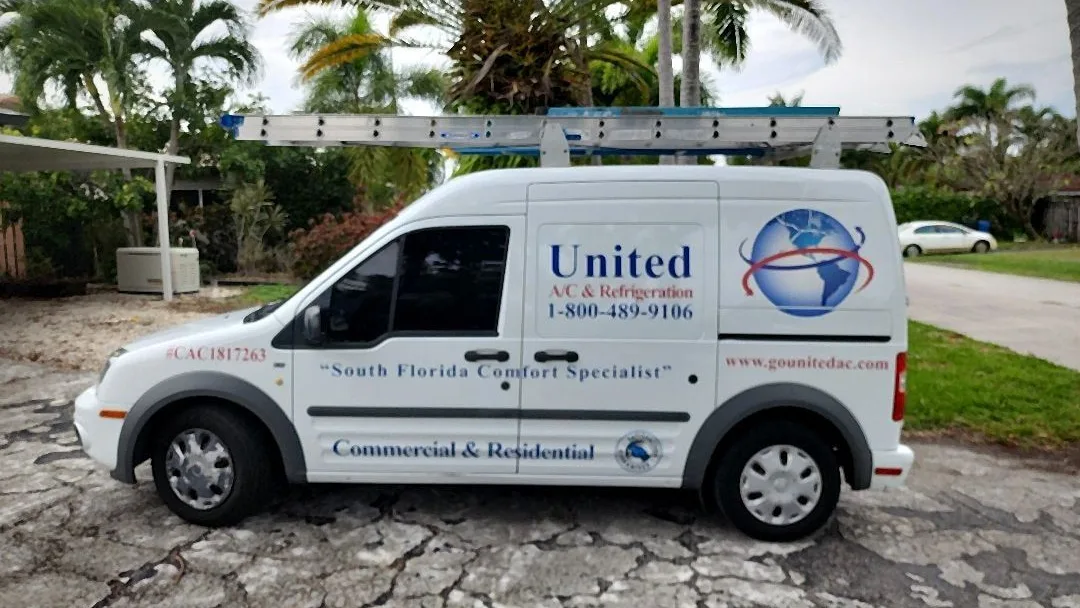
What does salt air actually corrode?
Salt air is the quiet tax on every cooling system near the South Florida coast. It does not announce itself the way a breakdown does; it works slowly, on the outside of the equipment, until a coil that should have lasted fifteen years is leaking at eight and a set of electrical contacts is pitted enough to fail on the first hot afternoon of the season. Understanding what salt actually attacks — and, just as usefully, what it does not — is how a coastal homeowner spends money where it slows the damage and skips the measures that sound protective but change nothing.
Salt does its damage on the outdoor half of the system, and on specific parts of it. Knowing which parts explains both the failures and the fixes.
The outdoor coil
The condenser coil is a lattice of aluminium fins over copper or aluminium tubing, sitting outside in the weather full-time. Salt settles on it, holds moisture against the metal, and drives galvanic corrosion that eats the fins and eventually pinholes the tubing. A pinhole is a refrigerant leak, and a coil leak on an older system is often the failure that ends its life.
The electrical contacts
Capacitor terminals, contactor points, and connections in the disconnect corrode in salt air far faster than they would inland. Pitted contacts run hot, resist current, and fail — which is why so many coastal no-cooling calls turn out to be a failed capacitor or a burnt contactor rather than anything to do with refrigerant.
What salt leaves alone
The indoor air handler, tucked in a closet or the attic, is largely out of the salt's reach, and the refrigerant itself is unaffected. This is why the honest measures all target the outdoor unit; anything sold to you as protecting the whole system from salt is aimed at the wrong place.
Salt does its work on the outside of the outdoor unit, which is exactly why every honest defence against it points there.
How many years does the coast actually cost?
There is no single figure, but the direction is consistent and the range is real.
A cooling system that might give twelve to fifteen years inland can lose several of those years within a few blocks of the ocean, and a unit right on the beach or the intracoastal can be markedly worse again. The variable that matters most is not the brand on the box but the distance to salt water and the exposure of the spot the unit sits in. Two identical systems, one on the barrier island and one in western Broward, are on genuinely different clocks. That is worth knowing before you assume a coastal unit that failed early was a lemon — more often it simply lived a coastal life. It also changes the maths on replacement: a coastal home is a stronger candidate for coastal-rated equipment precisely because the environment is harder on whatever goes in.
What genuinely slows salt corrosion down?
A short list of measures actually works, and it is worth separating them from the ones that only sound good.
Rinse the coil with fresh water
The single most effective habit is regularly rinsing the outdoor coil with fresh water to wash accumulated salt off before it can hold moisture against the metal. Done gently and often through the season, it measurably slows fin corrosion. It is also something a homeowner can do, and something we do on every coastal maintenance visit.
Choose coated coils and rated equipment
Coastal-rated units use coil coatings and more corrosion-resistant materials designed for exactly this exposure. On a new install within reach of the water, that specification is usually worth its modest premium, because it targets the exact part salt kills first. Beyond that, keeping the unit clear of pooling water and salt spray where the site allows helps at the margins. What does not help is any additive or gadget promising to neutralise salt from inside the system — the corrosion is on the outside, and the outside is where the answer is.
Where you sit on the map decides how hard salt hits
The difference between a coastal system and an inland one is dramatic within a surprisingly short distance, and it maps onto the local geography precisely. A condenser in Lauderdale-by-the-Sea, Hillsboro Beach, or the oceanfront blocks of Pompano and Deerfield lives in constant salt spray and ages accordingly; move a few miles west to Coral Springs, Margate, or Tamarac and the same equipment has an easier life, closer to the manufacturer's full expectation. The intracoastal side and the canal communities that thread through Fort Lauderdale and Lighthouse Point sit somewhere in between — brackish humidity and salt-laden breezes, milder than the beachfront but harder than the interior. This is why we ask where a home sits before recommending equipment or a maintenance rhythm: a beachfront condo and a house in Parkland have genuinely different needs, and treating them the same either wastes money inland or under-protects the coast. The rule of thumb we work to is straightforward — the closer to salt water, the more a coastal-rated system and a disciplined rinse schedule earn their keep.
Serving Broward County and southern Palm Beach County from our shop in Deerfield Beach.
Questions and answers
How close to the ocean does salt corrosion become a real problem?
It is a spectrum rather than a line, but the effect is strongest within roughly a mile of open salt water and is most severe on the beachfront and intracoastal blocks. The barrier island and oceanfront properties see it worst; a few miles inland the risk drops considerably. Your exact spot, and how exposed the outdoor unit is, matters more than any single distance figure.
Will rinsing my AC coil with a hose really help?
Yes, and it is the most effective thing a coastal homeowner can do themselves. Gently rinsing the outdoor coil with fresh water washes away accumulated salt before it can hold moisture against the metal and drive corrosion. Do it regularly through the season, with the system off, and avoid a high-pressure jet that could bend the fins. We also do it on every coastal maintenance visit.
Are coastal-rated air conditioners worth the extra cost?
Near the water, generally yes. Coastal-rated units use coil coatings and corrosion-resistant materials aimed precisely at the part salt destroys first, so the modest premium buys back years of coil life in a harsh location. Well inland the case is weaker. It is one of the clearest examples of matching the equipment to the actual site rather than buying one specification for everyone.
Does salt air damage the indoor part of the system too?
Very little. The indoor air handler sits in a closet or attic, largely sheltered from salt, and the refrigerant is unaffected. Salt's damage is concentrated on the outdoor condenser coil and the outdoor electrical parts. That is why every genuinely useful defence targets the outdoor unit, and why anything sold as protecting the whole system from salt is aimed at the wrong place.
My coastal AC failed after eight years. Was it defective?
Possibly, but more likely it simply lived a coastal life. Salt air can cut several years off the service life of an outdoor unit, and coil or electrical failures that would be premature inland are unremarkable on the beach. Before assuming a defect, it is worth having the failure looked at — the cause usually tells you whether it was the environment or genuinely bad luck, and that informs what to put in next.
What maintenance rhythm makes sense for a beachfront home?
A more attentive one than inland. Alongside the standard twice-a-year service, coastal systems benefit from regular fresh-water coil rinsing through the season and closer inspection of the electrical contacts that salt attacks. Tell the assistant where your home sits relative to the water and we will suggest a schedule matched to how hard the salt is actually working on your equipment.
How we know this
This advice comes from what our technicians actually find on service calls in Broward County and southern Palm Beach — not from national HVAC copy. Salt-air corrosion on the barrier island, drain lines that block every wet season, and equipment running nine months a year are local realities, and they change the right answer.
Worth disclosing: we install Amana equipment, so we are not an independent reviewer. Where a brand or product is discussed we say what it is good and bad at, and we will tell you when the honest answer is to repair what you have or do nothing yet.
Talk to a technician
Have a question this raised? The assistant answers what it can, takes your details, and hands you to a real person who confirms the day and time.