AC Repair Guide
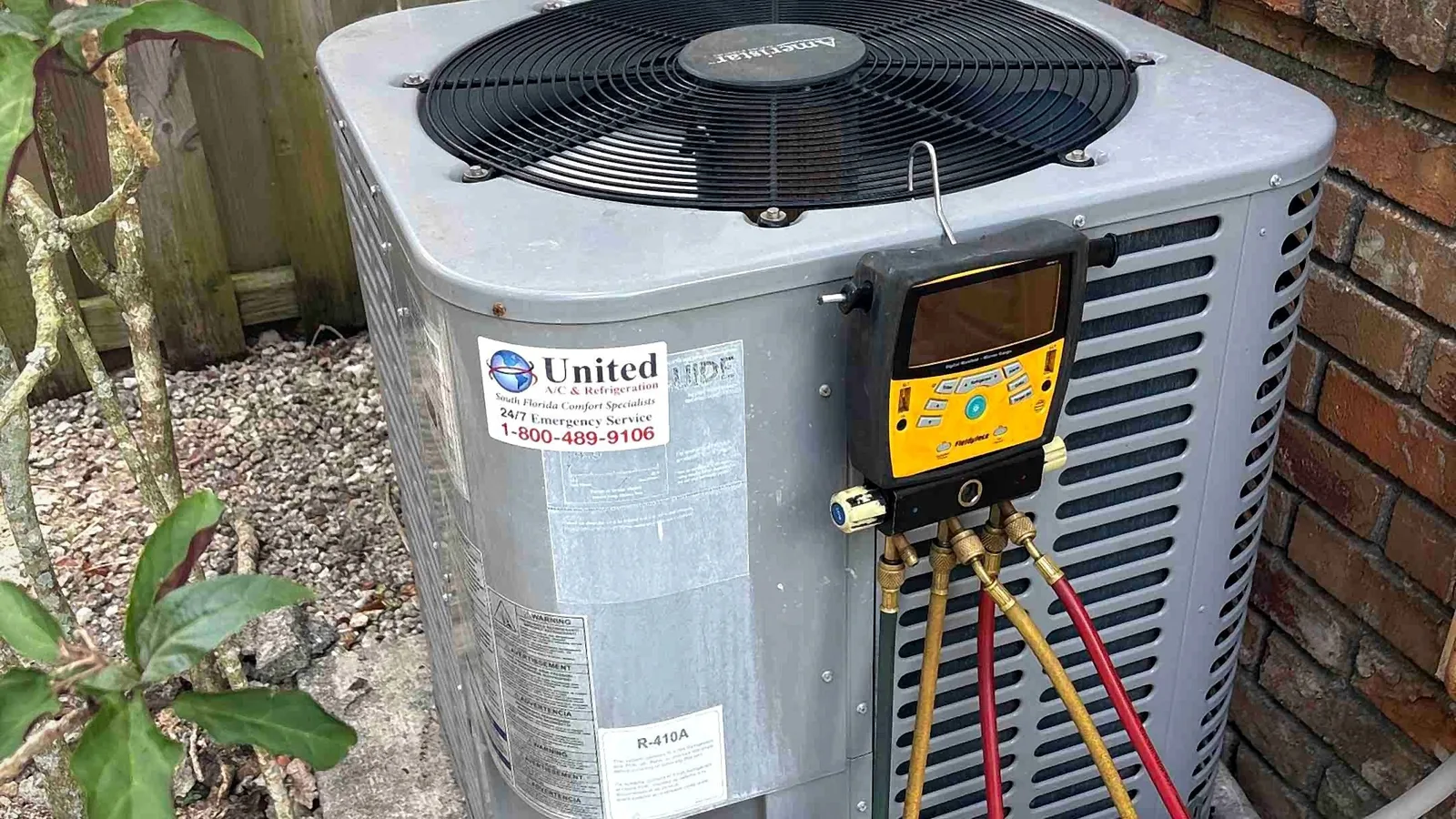
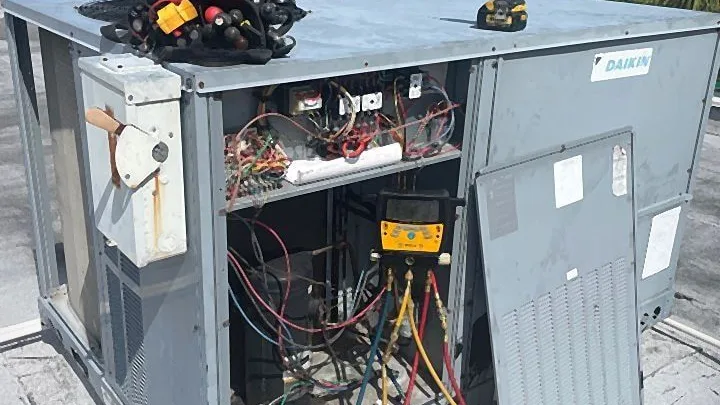
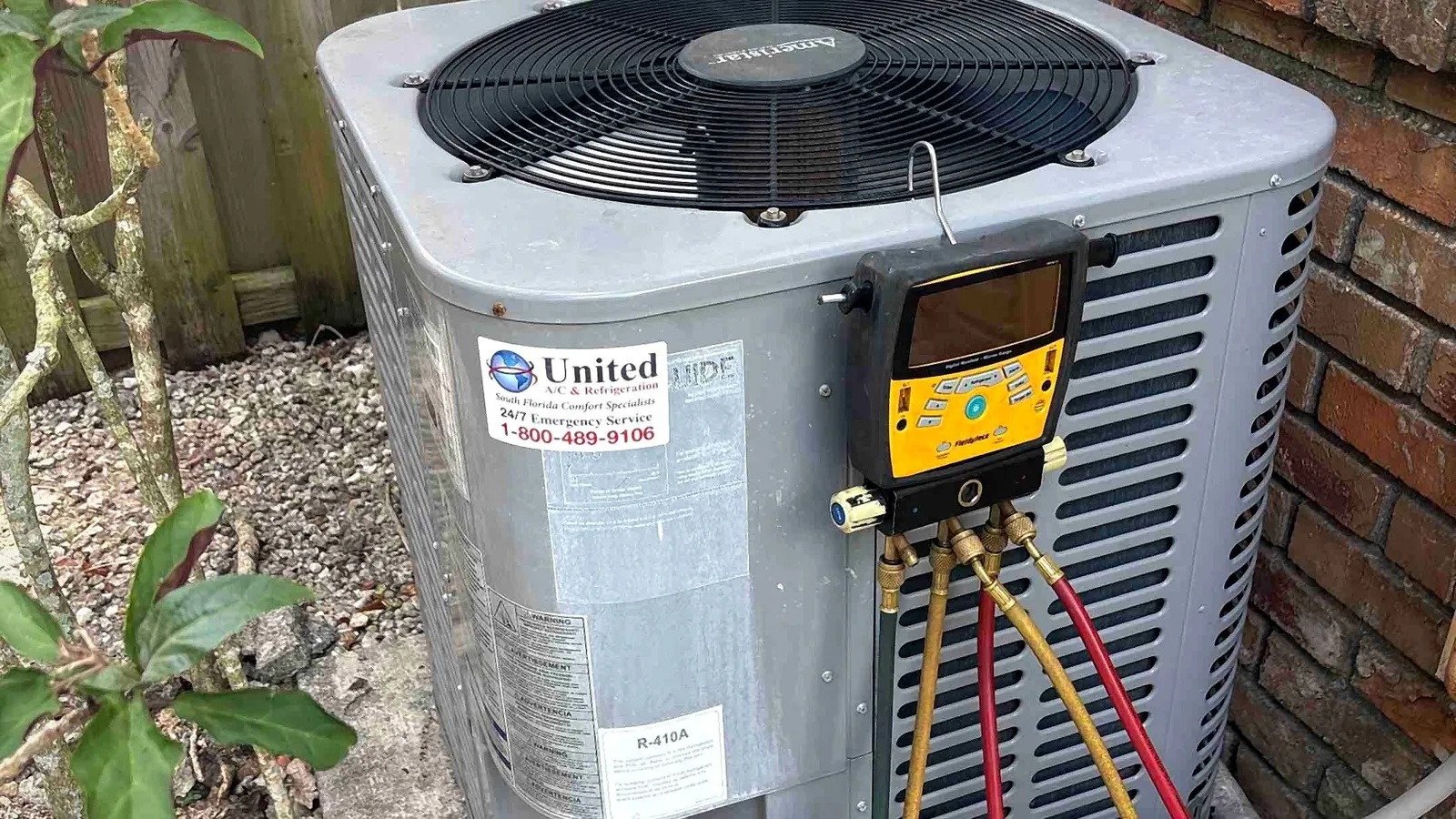
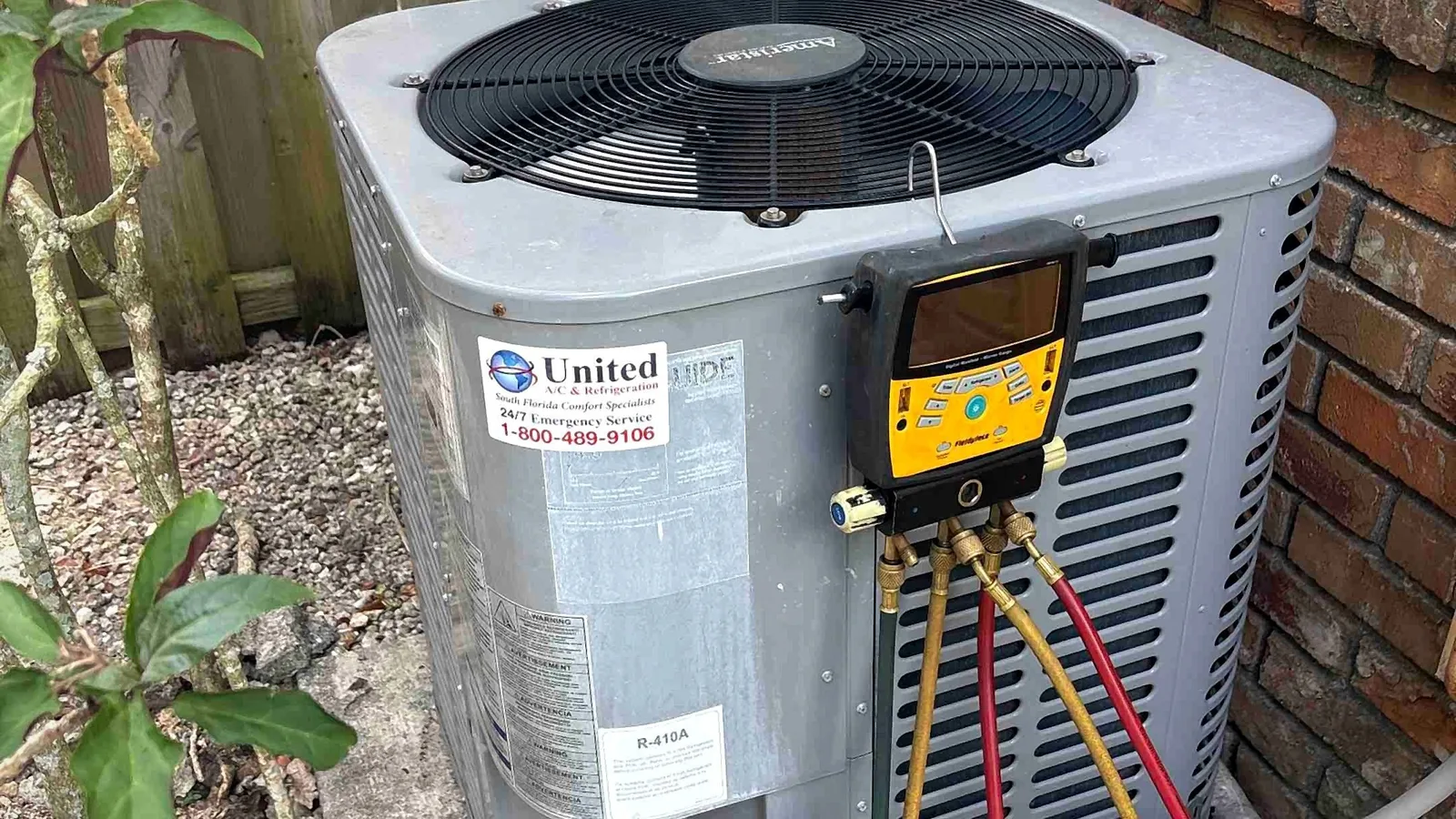
A plain-English AC repair guide: common failures, when to repair vs replace, and how to choose a company you can trust. From United A/C.

Plain-English guides to cooling and refrigeration, written for how systems actually live in South Florida — near the coast, through hurricane season, running nearly all year. Learn enough to decide with confidence.
We would rather you be an informed homeowner than an easy sell. These guides explain how South Florida cooling actually works — so you can spot a fair quote, avoid the common traps, and make comfortable decisions about your home.
Common failures, when a repair is worth it, and how to choose a company you can trust. Our most-read guide — and a good place to start.
Read the guide →The honest math on fixing an aging system versus replacing it — age, cost, and efficiency, without the sales pressure.
Read the guide →Practical, no-cost and low-cost ways to cut the biggest line item on a South Florida summer electric bill.
Read the guide →How to protect your system before, during, and after a storm — surges, flooding, and getting cool again fast.
Read the guide →Why your AC is leaking water, what is usually behind it, and when a puddle is a quick fix versus a real problem.
Read the guide →Why bigger is not better, how sizing is actually calculated, and what the wrong size costs you in comfort and bills.
Read the guide →All fourteen guides are live — the full library is below.
A homeowner who understands the basics cannot be scared into an unnecessary repair or oversold on equipment. We are fine with that — our business runs on trust, not confusion.
Generic HVAC advice ignores that South Florida runs its AC nearly year-round, near salt air, through hurricane season. These guides are written for the way systems actually live here.
Every guide reflects what we see on real service calls across Broward and Palm Beach — not recycled internet filler, but the patterns nearly three decades of local work reveal.
Practical guidance for South Florida homeowners — and a real technician a message away whenever you want one.
Fourteen practical guides covering the questions South Florida homeowners ask most — repairs, replacement, efficiency, sizing, seasonal prep, and the myths worth busting.
A plain-English AC repair guide: common failures, when to repair vs replace, and how to choose a company you can trust. From United A/C.
What AC maintenance actually involves, how often it is worth doing in South Florida, and which parts you can safely handle yourself.
How to decide between repairing and replacing an AC system — age, repair cost, efficiency and honest maths, with no sales pressure. From United A/C.
The warning signs that an AC system needs attention — noises, smells, weak airflow, water, rising bills — and which ones mean shut it off now.
The AC faults South Florida homes actually get — humidity, salt corrosion, clogged drains, storm damage — and why our climate causes them.
Why an AC leaks water, what to check first, when it is a quick fix and when it signals something bigger. Practical guidance from United A/C.
Practical ways to cut the cooling share of a South Florida power bill — free changes first, then the ones worth paying for. Honest advice, no gimmicks.
Whether a high-SEER2 system pays back in South Florida — what drives the maths, when it is worth it, and when it plainly is not.
How AC sizing actually works, why bigger is not better, and what a proper load calculation accounts for in a South Florida home.
How to protect your AC before a storm, what to do during an outage, and how to restart safely afterwards. South Florida specific.
What actually happens during an AC service visit, how to prepare, what questions to ask, and how honest pricing should work.
Whether a smart thermostat is worth it in South Florida, which features matter in our climate, and the compatibility catch to check first.
How solar interacts with air conditioning in South Florida — what it can and cannot do for your cooling costs, and what to sort out first.
The air conditioning myths that cost South Florida homeowners money — bigger is better, closing vents helps, and the rest.
Your AC runs but blows warm air. Here are the common South Florida causes, what you can safely check yourself, and when to stop and call a technician.
SEER2 without the jargon: what the efficiency number really measures, why it changed, and how much it actually matters for a South Florida cooling bill.
Salt air shortens coastal AC equipment life. What corrosion does, how to slow it, and what coastal-rated coils and rinsing really buy you.
Your AC won't turn on at all. Here's what actually stops a system dead in South Florida, what's safe to check, and when to call a technician.
Your AC trips the breaker every time it starts. Here's what actually causes it, why resetting it repeatedly is risky, and when to call a technician.
Ice on your AC's coil or lines? Here's what actually freezes an evaporator coil in South Florida, how to thaw it safely, and when to call for repair.
Banging, squealing, grinding, or hissing from your AC? Here's what each type of noise usually means and when it's urgent versus routine.
A burning smell from your AC vents is not something to wait out. Here's what causes it, why you should shut the system off, and what to do next.
A musty smell when your AC runs usually means moisture inside the system. Here's what causes it, what helps, and when it's more than the AC.
Your AC turns on and off every few minutes. Here is why short cycling happens in South Florida and when it is worth calling someone about it.
The fan runs and the house stays warm. Here is how to tell a real cooling fault from a system falling behind, and what usually causes each.
Cool air, but not much of it. Here is what restricts airflow in a South Florida duct system, and how to tell a filter issue from a duct issue.
One room stays warm while the rest of the house is fine. Here is why that happens and what actually fixes a single stubborn room in South Florida.
The second floor always runs warmer than the first. Here is why that gap is so common in two-story South Florida homes, and what actually closes it.
A failed capacitor is a top cause of no-cooling calls. What the part actually does, why South Florida wears it out fast, and why it needs a technician.
The contactor is the small switch that turns your outdoor AC unit on. Here is what it does, how it fails, and what a bad one looks and sounds like.
The compressor is the heart of the AC system. Here is what causes it to fail, the warning signs, and how to tell a real failure from a cheaper problem.
Weak airflow, a loud blower, or a motor that won't shut off. Here is what the indoor blower motor does and what its common problems actually mean.
Low refrigerant means a leak, not consumption. Here is how leaks are actually found, why topping off alone does not fix anything, and what to expect.
R-410A production is being phased down, not banned. Here is what that actually means for a working system today, honestly, with no scare tactics.
A blank screen and a dead AC can look identical to a wiring fault. Here is how to tell a thermostat problem from a real system problem before you call.
Your AC shut off with no warning and there's no error code. Here's why a failed condensate pump is often the cause, and when it's a DIY fix vs a call.
Not every AC problem is an emergency. Here's how to tell what needs a call tonight, what can wait for a normal appointment, and what falls in between.
Been told your AC needs major work? Here's when a second opinion is worth getting, what to bring, and how to weigh two conflicting diagnoses.
The tactics dishonest AC companies actually use, from phantom refrigerant leaks to same-day pressure, and the plain signs a homeowner can watch for.
Confused about what voids an AC warranty? Here's what genuinely does, like unlicensed work or missed registration, and the myths that don't.
Wondering why a technician charges just to look at your AC? Here's what a diagnostic fee actually covers and how to weigh it against a quote.
Who is responsible when a Florida rental's AC breaks? General landlord and tenant obligations, notice rules, and what to confirm in your own lease.
Condo AC rules explained: what counts as a common element, when approval is needed, and what to check before you schedule a repair or replacement.
AC not cooling and waiting on a technician? A practical checklist for staying safe and comfortable in South Florida heat until help arrives.
Thinking about a portable or window AC while your system is down? Here's what they actually cool, where they fall short, and how to use one honestly.
Thermostat showing an error code or blinking light? Here's how to read what it's actually telling you, and when it means call versus check yourself.
AC repairs get pricier and slower in August. Here's the honest reason why: demand, run hours, and heat load, not a seasonal markup, and how to avoid it.
AC quits at night or on a weekend? Here is how after-hours service actually works, what counts as urgent, and what you can safely do while you wait.
A clear checklist for the electrical parts of your outdoor AC unit: what a homeowner can safely check, and what to never touch yourself.
If your AC keeps developing the same fault after each repair, the root cause was likely never fixed. Here is how to find and stop it for good.
A Manual J load calculation sizes your AC to your actual home, not its square footage. Here is what it measures and why guessing costs you comfort.
Bigger is not better with air conditioning. Here is what an oversized system actually does to comfort, humidity, and equipment life in Florida.
Single-stage, two-stage, and variable-speed air conditioners cool very differently. Here is what each actually does and how to choose for Florida.
Heat pumps and straight-cool systems cool a Florida home about the same. The real difference shows up on the rare cold night. Compare them here.
Package units and split systems cool a home differently by design, not just by installation. Here is how they compare for a South Florida property.
Wondering what a real AC installation involves? Here is what actually happens from arrival to walkthrough, and how long it honestly takes.
A realistic answer on how many years a new air conditioner should last in South Florida, what shortens that life, and what extends it.
Buying near the coast? What coastal-rated equipment and coil coatings actually add, and when the extra spec is worth choosing.
Replacing only the outdoor condenser and keeping the old indoor coil sounds like a shortcut. Here is when it works, when it fails, and why.
What a matched system means, why the indoor coil and outdoor unit are engineered together, and what changes when they are not matched.
Does a new AC need a permit in Florida? Yes. Here is why, what Broward and Palm Beach inspections check, and why United handles it.
Why registering a new AC's warranty matters, what can happen if it is skipped, and why United files it for you at installation.
A cooling quote has more line items than a price. Here is what scope, equipment, labor, permits, and warranty terms should actually say before you sign.
The questions that protect you before an AC installation rarely come up on their own. Here is what to ask about licensing, sizing, permits, and warranty.
Utility and federal AC incentives exist and change often. Here is how the landscape works and where to confirm what actually applies to your home.
A new AC is only as good as the ducts moving its air. Here is how to tell whether your ductwork should be replaced, repaired, or left alone.
Upstairs hot, downstairs cold is not a malfunction, it is a design gap. Here is how zoning dampers and multi-system layouts actually solve it.
A garage was never built to hold a stable temperature. Here is how insulation, sizing, and mini-split vs. ductwork decisions actually work.
Should you replace an old AC before listing your South Florida home? What buyers and inspectors actually look for, and when repair makes more sense.
Buying a house with an aging air conditioner? Here is what to check before closing, what questions to ask, and what to budget for after you move in.
Chasing the best AC brand for Florida? Here is what genuinely separates manufacturers, and why installation quality decides comfort more than the badge.
United A/C is an Amana dealer serving South Florida. Here is why we chose that line, what it means for you, and why we still service every other brand.
Attic, closet, or garage air handler? Compare heat load, access, condensate risk, and noise for each placement in a South Florida home.
Comparing noise levels for a new AC? How sound ratings work, where noise actually comes from, and how to be a good neighbor in dense South Florida housing.
There is no real off-season here, but timing still matters. When to plan an AC replacement, what drives lead times, and how to avoid an August emergency.
How a modern, right-sized AC lowers the cooling share of your power bill in a climate that runs it most of the year, and how to estimate it for your home.
What a real AC tune-up covers, from coil and drain checks to electrical testing, so you can tell a thorough visit from a rushed one.
Florida AC filters clog faster than the box suggests. Here is a realistic change schedule based on filter type, household, and run hours.
MERV ratings compared plainly: what the scale measures, which filter types fit it, and what actually makes sense for a South Florida home.
A clogged AC drain line causes leaks and shutdowns. Signs it's clogged, what you can safely clear yourself, and how to keep it flowing.
A dirty condenser coil costs real efficiency. What builds up on it, the right way to clean it, and when it is a DIY job versus a professional one.
A step-by-step rinse routine for coastal AC units: how often, the right technique, common mistakes, and whether it can be automated.
A short, honest list of AC maintenance a South Florida homeowner can safely handle between visits, and where a technician should take over instead.
The AC jobs that look simple but are not, refrigerant, electrical parts, and chemical drain fixes, and why leaving them to a technician is not overcaution.
A spring checklist that gets a South Florida AC ready for the long cooling season ahead, before the heat turns a small problem into a costly one.
What months of nonstop cooling do to a South Florida AC, and the end-of-summer check that catches the wear before the next season starts.
How to properly shut an AC down before leaving for the season and bring it back safely on return, without inviting humidity or mold problems.
The right way to set an AC for a Florida home sitting empty in summer heat, so humidity and mold do not take hold while no one is watching.
Cool air is not the same as dry air. How right-sizing, run time, and ventilation control humidity in a Florida home beyond the thermostat setting.
A whole-home dehumidifier is not the right fit for every house. What it does that the AC does not, and the signs that point toward one being worth adding.
Attic duct leaks send cooled air somewhere other than your rooms. How to tell if it's happening, where it goes, and what sealing actually involves.
A musty smell from the vents usually starts at the air handler. Why moisture collects there, what it does to comfort and odor, and how it's cleaned up.
UV lights and air purifiers are not miracle fixes, but they are not nothing either. An honest look at what the evidence actually supports for HVAC add-ons.
A better filter can measurably cut airborne dust, but the wrong one strains the system. What filtration realistically does, and what pairs well with it.
Pet hair and dander clog an AC filter faster than most people expect. What it does to airflow and the coil, and how often a pet home really needs changes.
Real thermostat strategy for Florida summers: why lower isn't faster, safe setback limits in humidity, and what a smart thermostat actually changes.
Ceiling fans do not lower a room's temperature. Here is what they actually do, why running one in an empty room wastes energy, and how to use them well.
How attic insulation affects your AC's cooling load in South Florida, the signs it is falling short, and where heat actually goes without enough of it.
How to reduce afternoon heat gain from windows in a South Florida home: window film, exterior shade, and why west-facing glass hits your AC hardest.
Florida leads the country in lightning strikes. Here is what a power surge actually does to AC equipment and where surge protection genuinely belongs.
Twice a year is the honest baseline for South Florida AC maintenance. Here is when more makes sense, and when it genuinely does not.
Manufacturer warranties often depend on documented maintenance. What to keep, for how long, and how good records protect a warranty claim.
A failed walk-in door gasket wastes energy and puts food safety at risk. Here is how to spot a bad seal, what causes it, and when to replace it.
How a walk-in freezer's defrost cycle is supposed to work, the different types, and what normal temperature swings and drainage actually look like.
Ice building up inside a walk-in freezer or cooler points to a specific cause depending on where it forms. Here is how to read the pattern and what to do.
What a commercial kitchen temperature log needs to capture, how often to check equipment, and what to do when a reading falls out of range.
Why scale forms inside commercial ice machines, what South Florida water does to speed it up, and which water treatments actually make a difference.
How often a commercial ice machine actually needs cleaning, the difference between cleaning and sanitizing, and the signs yours is overdue.
A merchandising case that won't hold temperature usually traces to loading, defrost, or the air curtain. Here is how to work through the causes.
Reach-in or walk-in for a small commercial kitchen? An honest look at footprint, workflow, reliability, and running cost concepts to help you decide.
What rooftop package unit maintenance actually covers for a retail building, how often it's needed, and the roof-specific issues that get missed.
Grease-laden kitchen air coats condenser coils faster than a normal environment. Why it happens, what it costs performance, and how often to clean it.
No dollar figures, just the honest components: lost product, lost revenue, health-code exposure, and emergency premiums when refrigeration goes down.
What actually qualifies as a refrigeration emergency, what staff should do first, and how to prepare a food-service kitchen before one happens.
How commercial HVAC and refrigeration service gets scheduled around trading hours, so equipment gets fixed and maintained without closing the doors.
General guidance on refrigerant compliance for businesses: leak repair expectations, recordkeeping, and the ongoing phase-down of older refrigerants.
Bars and breweries carry unusual cooling loads: crowd heat, keg and cellar refrigeration, and glycol systems. What that means for equipment and upkeep.
Convenience stores run open reach-in cases nearly around the clock. What that means for equipment life, energy use, and catching failures early.
Florists, labs and other specialty businesses need precise temperature and humidity control. What sets specialty refrigeration apart and where it fails.
Preventive maintenance contracts for operators running several locations. What real multi-site coverage should include, and where it typically breaks down.
Planning refrigeration for a new restaurant build? Here is how to think about sizing, placement, and timing so equipment is ready when the doors open.
No dollar figures, just the real drivers of commercial kitchen energy use: refrigeration duty, hood makeup air, coil condition, and door habits.
Protecting commercial refrigeration and HVAC before a storm: what to do before, during, and after a hurricane to protect equipment and product.
Cooling a barrier island home means tight lots, storm-ready equipment, bridge access, and humidity from water on two sides. Here is what actually changes.
Western Broward often stays warmer after sunset than the coast. Here is the heat-island effect behind it and what it means for your AC's evening workload.
South Florida's wet season changes how your AC should behave. Here is what shifts between May and October, and why humidity matters as much as heat.
AC in a 55-plus condo has its own rules: equipment type, HOA approval, and daytime run hours. Here is what makes it different from a single-family home.
Mid-century Florida homes were built before modern insulation and low attics. Here is what actually changes when you cool one of these older houses.
New construction comes with builder-grade AC and HOA rules of its own. Here is what new master-planned homeowners should understand about cooling.
High-rise and condo AC service means clearing building access first. What that involves, from insurance paperwork to elevator scheduling and beyond.
Getting a technician through a gated community takes the right paperwork. How guard-gated and code-gated AC service access actually works.
A month-by-month guide to hurricane season AC prep in Florida, from pre-season checks in May through the season's final weeks in November.
The power is back after a hurricane. The safe order to check and restart your AC, and the warning signs that mean call a technician instead.
An honest look at what floodwater does to AC equipment, what can realistically be saved, and what to document before cleanup starts.
It is often the power coming back, not the outage itself, that damages a compressor. How outages, surges, and generators actually cause AC damage.
Memorial Day weekend is the first real heat test of the year. Here is what it reveals about your AC and what to check before the summer run begins.
The week around July 4th is the hardest week of the year on a South Florida AC. Why breakdowns cluster now, and how to avoid becoming one of them.
Labor Day weekend is a genuinely good time to plan an AC replacement in South Florida. Here is why the timing works and what to actually ask about.
Thanksgiving week means snowbirds and seasonal homes reopening across South Florida. What to check on a system that has sat idle, before guests arrive.
Black Friday AC deals rarely live in a single day. Why late fall is a genuinely sensible planning window, and how to get an honest read on current offers.
A working AC is an easy thing to take for granted until it fails. Why comfort makes a genuinely practical December gift, and how to plan it honestly.
Start the year with a plan for your AC: what a maintenance agreement covers, how to budget for the season ahead, and when repair gives way to replacement.
Spring break turnovers leave no room for AC surprises. What to check between guests, how to catch problems before a bad review, and when to call for help.
Coming back to a South Florida home after months away? Here is what an idle AC needs before you turn it back on, and what months of disuse can cause.
Extra guests mean extra heat load. How to prep your AC before a Florida summer gathering, and what actually helps keep a full house comfortable that day.
Anyone can claim to be licensed. Here is the specific, free way to check whether a Florida HVAC contractor really is, plus the red flags to watch for.
CAC stands for Certified Air Conditioning contractor. What the designation covers in Florida, how it differs from other licenses, and why it matters.
What licensed, insured and bonded actually mean for a South Florida homeowner, and what happens if you hire a contractor without them.
A behind-the-scenes look at how we schedule and route technicians across Broward and southern Palm Beach, and why arrival windows aren't guesses.
No guides in that category yet.
Every guide above is live. Looking for a topic we have not covered? Ask the assistant — it answers directly, guide or no guide.
★★★★★ 4.7 on Google
Their guides helped me understand my system before I ever picked up the phone. Walking in informed made the whole experience better — and confirmed these were honest people.
Every other HVAC site felt like a sales pitch. These actually taught me something without trying to frighten me into a purchase. That earned my business when I did need it.
Finally, advice that accounts for salt air and running the AC all year instead of generic tips. You can tell it comes from people who actually work here.
Because I understood the basics from their guide, I recognized a bad quote elsewhere for what it was. This kind of straight information is genuinely valuable.
No jargon, no fluff, just useful explanations of what my AC does and why. I have sent the links to neighbors more than once.
A company willing to teach you instead of just sell to you is one worth trusting. The guides are why they were the first call when my system finally quit.
The assistant answers any AC or refrigeration question directly — guide or no guide — and books a visit if you need one, any hour.
No. They are written to inform, not to pressure. An educated homeowner makes better decisions and is harder to oversell — and we are completely fine with that, because our business runs on trust and repeat customers.
Fair question — so read critically. These guides reflect what we see on real service calls across South Florida, and they tell you how to verify a company (licensing, written pricing, second opinions) even if that company is not us.
Yes, deliberately. Our systems run nearly year-round, near salt air, through hurricane season — conditions generic national advice ignores. These guides are written for how equipment actually lives and fails here.
Ask the assistant directly — it can answer your question whether or not a guide exists for it. The full library is being written and rolls out as the site launches; more topics land over time.
Of course. The assistant sits behind any button on the page — bring it whatever a guide left you wondering. It replies plainly, and if your situation calls for hands on the equipment, it can put a technician in touch.
The homeowner guides focus on residential cooling, but the assistant handles commercial refrigeration questions too — walk-ins, ice machines, and cases. Just ask, and we will point you to the right help.
We add them as topics come up on real service calls and from what homeowners ask us most. The library grows steadily rather than all at once, so it stays practical and genuinely useful.
Behind every button is the assistant. Put your question to it and you get a straight answer, plus the option to start a visit if you want one. A person on the crew settles the day and time — no paperwork, no hold music.
Guides are a great start, but sometimes you just want a straight answer for your situation. The assistant gives one — any hour — and books a real technician if you need one.