
Matched systems, and why they matter
The indoor coil and the outdoor condenser in a cooling system are not interchangeable parts; they are engineered as a pair. Here is what that actually means, and what changes when the pair is broken.
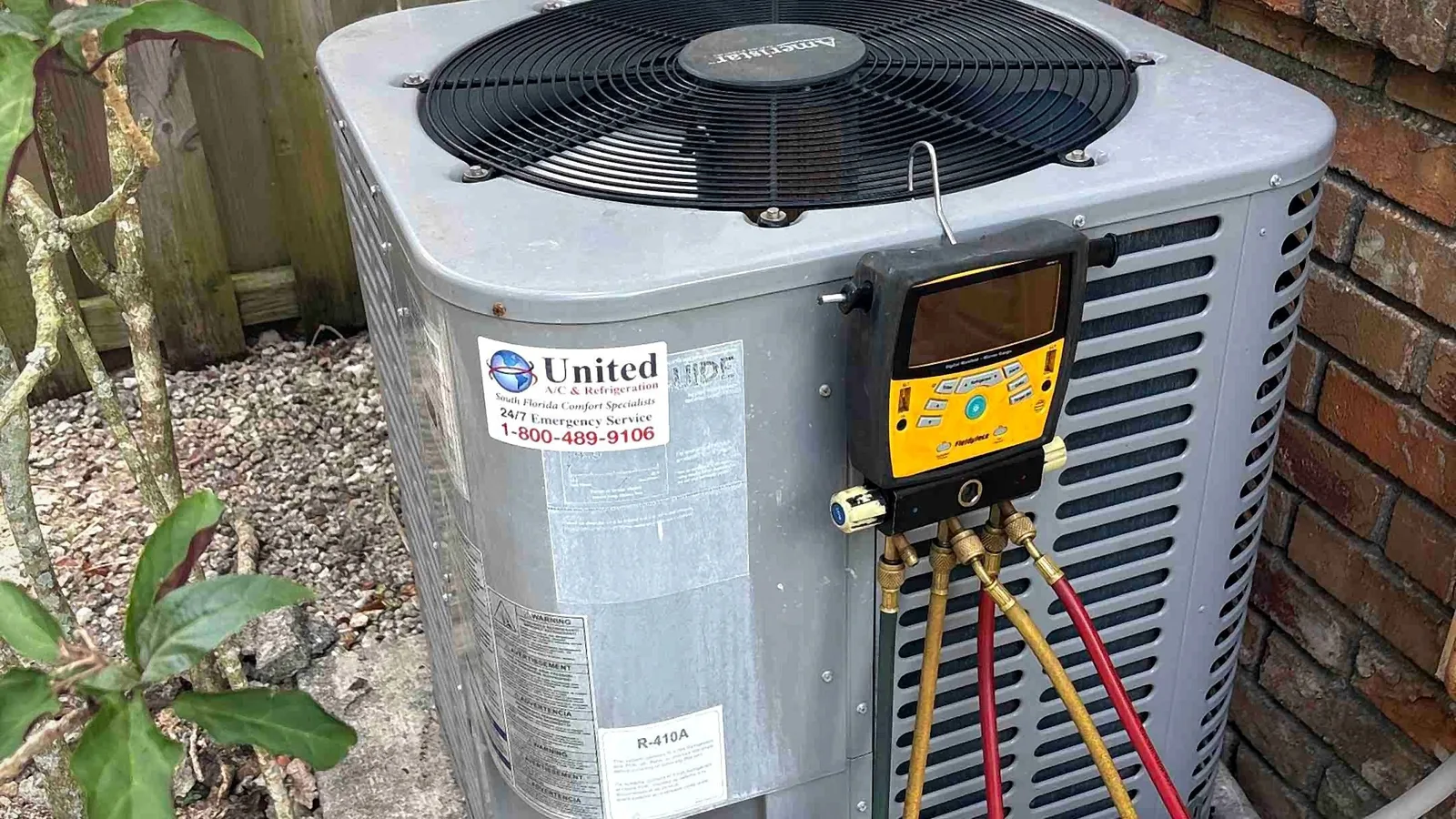
What does 'matched system' actually mean?
Every cooling system has two main halves: an indoor coil that sits in the attic or a closet, and an outdoor condenser that sits in the yard. It is easy to think of them as separable parts, the way any two batteries of the right size are interchangeable. They are not built that way. The two halves are designed and rated together, as a matched system, and understanding what that pairing actually does explains why replacing one half in isolation is a different decision than most homeowners assume.
A matched system is a specific indoor coil and outdoor condenser that the manufacturer engineered and tested together, so that the refrigerant charge, the metering device, and the airflow across both halves line up as designed. The efficiency rating printed on the equipment's paperwork is measured on that exact pairing, not on either half alone.
Why it is not just about size
Matching is not simply a matter of picking an indoor coil and an outdoor unit with the same cooling capacity number. Refrigerant type, the metering device that controls flow into the coil, and the coil's own airflow characteristics all have to align, which is why manufacturers publish approved combination lists rather than leaving installers to mix and match by capacity alone.
Two new halves are not automatically a matched pair unless they were actually designed to be one.
United A/C & RefrigerationWhat happens when a system is not matched?
An unmatched pairing does not usually stop the system from running; it stops the system from running as designed. Refrigerant pressures settle at levels neither half was optimized for, which typically shows up as reduced efficiency, uneven cooling, or a system that runs longer cycles than it should to reach the same temperature. None of this is dramatic on its own, which is exactly why it can go unnoticed for years, quietly costing more than it should on every power bill in between.
The humidity problem specifically
Because South Florida cooling is as much about removing moisture as lowering temperature, an unmatched system's tendency to short-cycle or run inefficiently often shows up first as clammy air rather than a warm house — the thermostat is satisfied, but the humidity job never actually finished, and that gap between cool and comfortable is often the first real clue something is off.
Does matching only matter when replacing a condenser?
No — matching matters any time one half of a system is chosen, whether that is a condenser-only replacement or a full replacement where both halves are new but get selected from different product lines or capacity tiers. A full installation with an unmatched combination has the same problems as an old coil paired with a new condenser; the fact that both parts are new does not make them a matched pair unless they were actually specified together.
Line sets and ductwork count too
The refrigerant line set connecting the two halves, and the ductwork the indoor coil pushes air through, also have to suit the equipment's design. Reusing an old line set sized for a different system, or ductwork too restrictive for the new coil's airflow, can undercut a properly matched pair almost as much as mismatched components would.
How do I know if my system is actually matched?
The most reliable way is to have someone check the equipment against the manufacturer's published combination ratings, rather than assuming from age or brand alone. This matters most after any partial work on a system — a coil replaced after a leak, a condenser swapped after a compressor failure — because that is when a mismatch is most likely to have been introduced without anyone flagging it at the time.
What to ask
If you are not sure whether your current system, or one being quoted, is a genuinely matched pairing, ask directly whether it is an approved combination and whether that is documented, rather than assumed. A straight answer to that question tells you more than the brand name on either half.
Why does United always quote matched pairs?
Because it is the only way to actually deliver the efficiency and comfort a new system is bought for. A matched pair is how the rated performance on the paperwork becomes real performance in the house, and it is how a new system earns the warranty coverage that protects the investment. Quoting anything less would mean selling a number the installed system was never actually going to hit, and that is not a conversation worth having with a homeowner who is trusting us to get the equipment right the first time. It is a straightforward standard to hold ourselves to, and it is one worth asking any contractor about directly.
Why South Florida homes especially need this checked
Equipment turnover is high here, and that history often leaves matching questions behind it. A coastal condenser lost to corrosion, a coil replaced years ago after a refrigerant leak, a system inherited with the purchase of an older home — each of those events is a point where a mismatch can quietly get introduced by whoever did the work, especially if it was handled as an emergency repair rather than a planned replacement. In established mid-century neighborhoods and in 55-plus communities where units get swapped piece by piece over the years, it is common for nobody involved to have kept a clear record of exactly what was paired with what. Because a South Florida system also runs so many hours a year, whatever efficiency a mismatch costs gets multiplied across far more run time than it would be in a milder climate, so the gap tends to show up sooner and add up faster here than it would elsewhere.
Serving Broward County and southern Palm Beach County from our shop in Deerfield Beach.
Questions and answers
Can I mix brands and still have a matched system?
In practice, rarely. Matched-system ratings are specific to combinations a manufacturer has engineered and tested together, and that is almost always within its own product lines. Crossing brands generally means leaving the manufacturer's approved list entirely, which carries the same efficiency and warranty risks as any other unmatched pairing.
Does a matched system cost more up front?
A properly matched replacement is priced as a whole system rather than as separate halves, so it is not really a fair comparison to a condenser-only swap. What it buys is the efficiency and warranty coverage the equipment is actually rated for, which a mismatched combination does not deliver regardless of what it costs.
If my system is old, is it even possible to still find a matched replacement coil?
Sometimes, but not always, especially with older refrigerant types that have been phased out. This is one of the reasons a full replacement is often the more realistic option for an aging system rather than trying to source a compatible single component years after the original equipment was installed.
Will my energy bill really change if the system is not matched?
Usually, yes, though the change can be gradual enough to miss. A mismatched system typically uses more electricity to deliver the same cooling result, and that difference compounds over a South Florida system's long annual run time into a real, if quiet, increase on the power bill.
How would I know if a past repair left me with a mismatched system?
The clearest way is to have a technician check the actual model information on both halves against the manufacturer's approved combinations. Symptoms like weaker-than-expected efficiency or persistent indoor humidity can be a hint, but confirming it requires looking at the equipment itself, not guessing from how the system feels.
Does matching apply to ductless mini-split systems too?
Yes. A ductless system's indoor head and outdoor condensing unit are matched in the same way a central system's coil and condenser are, and mixing components across incompatible pairings causes the same efficiency and warranty problems.
How we know this
This advice comes from what our technicians actually find on service calls in Broward County and southern Palm Beach — not from national HVAC copy. Salt-air corrosion on the barrier island, drain lines that block every wet season, and equipment running nine months a year are local realities, and they change the right answer.
Worth disclosing: we install Amana equipment, so we are not an independent reviewer. Where a brand or product is discussed we say what it is good and bad at, and we will tell you when the honest answer is to repair what you have or do nothing yet.
Talk to a technician
Have a question this raised? The assistant answers what it can, takes your details, and hands you to a real person who confirms the day and time.