
AC short cycling
The system turns on, runs for a few minutes, and shuts off again — over and over, all day. Here is what actually causes short cycling in a South Florida home, and why it is worth fixing quickly rather than living with it.
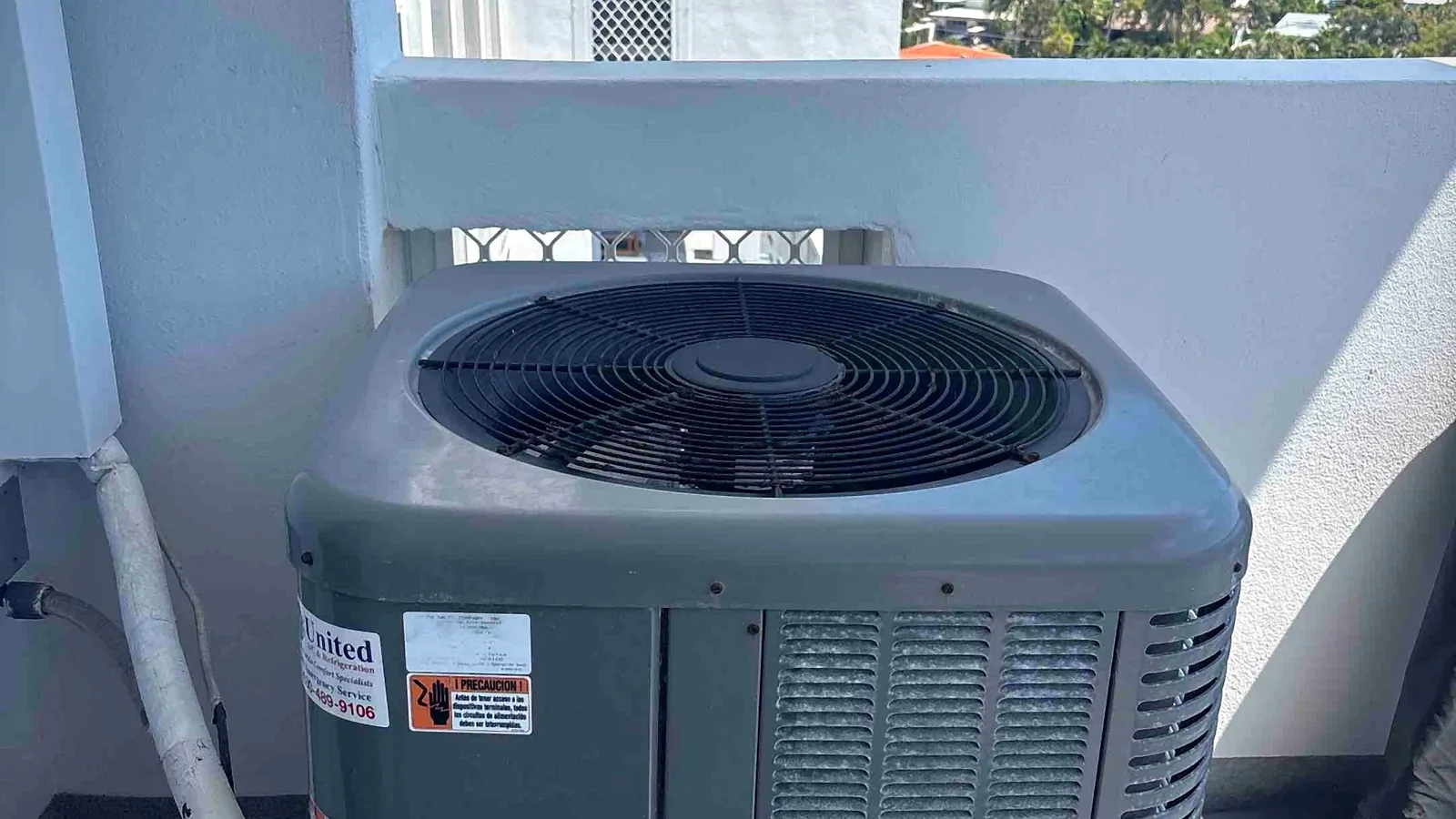
What does short cycling actually look like?
Short cycling is the pattern where an air conditioner starts, runs for only a few minutes, shuts off, and restarts shortly after — repeating through the day instead of settling into normal, longer cycles. It sounds minor because the house still gets cool, but every one of those extra starts puts a hard electrical and mechanical load on the compressor, the part of the system that is the most expensive to replace. Short cycling almost always traces back to one of three things: a system that is the wrong size for the house, a thermostat reading the wrong thing, or a fault that is shutting the system down early on purpose.
A healthy air conditioner in South Florida typically runs for fifteen to forty-five minutes at a stretch on a hot afternoon, then rests for a while before starting again. Short cycling compresses that pattern down to a handful of minutes, sometimes less, with the system restarting almost as soon as it stops.
How to tell the difference
The easiest way to know if you have a real problem is to time a few cycles with your phone. If the outdoor unit is starting and stopping every five to ten minutes through a warm afternoon, that is short cycling, not normal behavior. A single short cycle on an unusually mild day is not cause for concern; a pattern that repeats all day, every day, is.
Why it matters beyond comfort
Every start draws a surge of current well above the system’s running amperage, and the compressor is the part absorbing that surge. A system that starts twenty times a day instead of six is aging its most expensive component several times faster than it should.
A bigger air conditioner is not a better one here — in this climate, the job is removing humidity over time, and short cycling is what happens when a system never gets the chance.
United A/C & RefrigerationWhy does an oversized air conditioner short cycle?
An oversized system cools the air in the room fast enough to satisfy the thermostat long before it has run long enough to remove the humidity or reach a stable temperature, so it shuts off, the house warms back up quickly, and it restarts soon after. This is the single most common cause we find behind short cycling complaints in this region.
Why oversizing happens here
It is a common mistake in South Florida replacements: a contractor sizes to the old, failing unit rather than running a proper load calculation, or rounds up "to be safe" on a house with adequate insulation and shading. The bigger unit blasts the room cold in a few minutes and stops, which feels powerful but is exactly the wrong behavior for our climate, where the real job is removing moisture over a longer, gentler run.
What correct sizing looks like
A right-sized system runs longer cycles that pull humidity out of the air along with the heat, which is also why a correctly sized replacement often feels less powerful on paper and more comfortable in the house.
Can the thermostat cause short cycling?
Yes — a thermostat that is reading the wrong temperature will cycle the system on and off based on bad information, regardless of what the rest of the house is doing.
Location problems
A thermostat mounted near a supply vent feels cold air directly and shuts the system off early, before the rest of the house has caught up. One near a window, in direct sun, or close to a heat-generating appliance reads warmer than the room actually is and can cause the opposite problem, or a rapid on-off pattern as it hunts for a setpoint it cannot stabilize around.
Aging and loose connections
An older mechanical thermostat, or one with a loose wire at the terminal block, can also cycle erratically simply because its internal sensor or contacts are no longer reliable. This is one of the cheaper causes to rule out, and one worth mentioning if you have recently moved furniture, added a lamp, or remodeled near where the thermostat is mounted.
Does low refrigerant cause short cycling?
It can, through the safety switches built into the system rather than directly. A system running low on refrigerant can develop pressures outside its normal operating range, and the high- or low-pressure switch will shut the compressor off to protect it, then allow it to restart once pressure normalizes — which it often does within a few minutes, only to trip again.
A pattern with a tell
Short cycling caused by refrigerant is often paired with a coil that has ice on it, or with the system running longer than usual on the previous few cycles before the short cycling started, as capacity slowly declined. Refrigerant does not get consumed by normal operation, so a low charge means there is a leak somewhere in the system.
Why this one needs a gauge, not a guess
Diagnosing this correctly means putting gauges on the system rather than assuming, since a control-board fault or a failing capacitor can produce a similar restart pattern. This is the point where a technician earns their visit.
When does short cycling turn into a real emergency?
Short cycling itself rarely means shut the system off immediately, but a few signs mean stop running it and call rather than wait for a scheduled visit.
Listen for the compressor struggling
A loud clunk or a hum without the compressor actually starting, especially paired with a tripped breaker, suggests the compressor is trying and failing to start — continuing to run it in that state risks burning out the start components or the compressor windings themselves.
Watch the pattern get worse
If the interval between cycles is shrinking day by day, whatever is causing it is progressing, and waiting usually means a bigger repair rather than a smaller one. Regular maintenance catches most of these causes — a marginal capacitor, a dirty coil pushing pressures out of range, a thermostat calibration issue — well before they turn into a compressor failure.
Why short cycling shows up so often in South Florida
Short cycling has a specific local flavor here because of how our systems are sized and how hard they work. Replacement decisions in older Broward neighborhoods and in condo and 55-plus communities across southern Palm Beach often default to matching the prior unit’s tonnage rather than running a fresh load calculation, and homes that have since added insulation, impact windows, or shade trees end up with equipment sized for a house that no longer exists — a setup that short cycles almost by design. The shoulder months, when afternoons are hot but mornings and evenings are mild, tend to expose the problem first, because a system that behaves acceptably on a brutal August day can short cycle noticeably on a cooler March one. Salt-air corrosion on capacitor terminals and contactors near the coast also produces a version of short cycling that looks electrical rather than sizing-related, which is one more reason a proper diagnosis, not a guess, is worth doing before anything gets replaced.
Serving Broward County and southern Palm Beach County from our shop in Deerfield Beach.
Questions and answers
Is short cycling the same as the system just running a lot?
No. A system running long cycles on a hot day, even most of the afternoon, is working normally — that is expected in South Florida. Short cycling specifically means frequent starts and stops, often every five to ten minutes, regardless of how hot it is outside. Long runtime is normal; frequent restarts are not.
Can I fix short cycling myself?
Sometimes. Replacing a dirty filter or moving a lamp or space heater away from the thermostat can resolve it if that was the cause. Most of the time, though, the cause is inside the system — sizing, refrigerant, or a failing part — and needs a technician to diagnose properly rather than guess at.
How long does short cycling take to damage a system?
It varies, but the wear is cumulative and accelerates with every extra start. A system short cycling for a few days while you arrange a repair is not going to fail outright, but a pattern left unaddressed for months meaningfully shortens the compressor’s life. It is worth having looked at promptly rather than treating it as background noise.
Could a dirty air filter cause short cycling?
Indirectly, yes. A badly clogged filter restricts airflow enough to affect coil temperature and system pressures, which can trigger the same safety switches that cause refrigerant-related short cycling. It is the first thing worth checking because it costs nothing and takes a minute, before assuming something more serious is happening.
Is short cycling more common in a new system or an old one?
Both, for different reasons. New systems short cycle mostly from oversizing or a thermostat set up incorrectly during installation. Older systems short cycle more often from a weakening capacitor, a coil losing efficiency, or a slow refrigerant leak that has developed over years of normal wear.
What should I tell the assistant if my AC is short cycling?
Roughly how often it is restarting, how long each run lasts, and whether it is worse on hotter days or seems constant. That pattern narrows down whether this looks like sizing, a thermostat issue, or a refrigerant or electrical fault, and helps get the right kind of visit booked.
How we know this
This advice comes from what our technicians actually find on service calls in Broward County and southern Palm Beach — not from national HVAC copy. Salt-air corrosion on the barrier island, drain lines that block every wet season, and equipment running nine months a year are local realities, and they change the right answer.
Worth disclosing: we install Amana equipment, so we are not an independent reviewer. Where a brand or product is discussed we say what it is good and bad at, and we will tell you when the honest answer is to repair what you have or do nothing yet.
Talk to a technician
Have a question this raised? The assistant answers what it can, takes your details, and hands you to a real person who confirms the day and time.