
Common AC Problems in South Florida, and why here.
Generic HVAC advice ignores that our systems run nine months a year, near salt water, through a storm season. These are the faults that come with the territory.
The faults we see most
Generic HVAC advice ignores that our systems run nine months a year, near salt water, through a storm season. These are the faults that come with the territory.
Clogged condensate drains
Our humidity means systems pull a remarkable amount of water out of the air, and warm damp lines grow algae readily. It is probably the single most common service call in the region, and largely preventable.
Salt-air corrosion
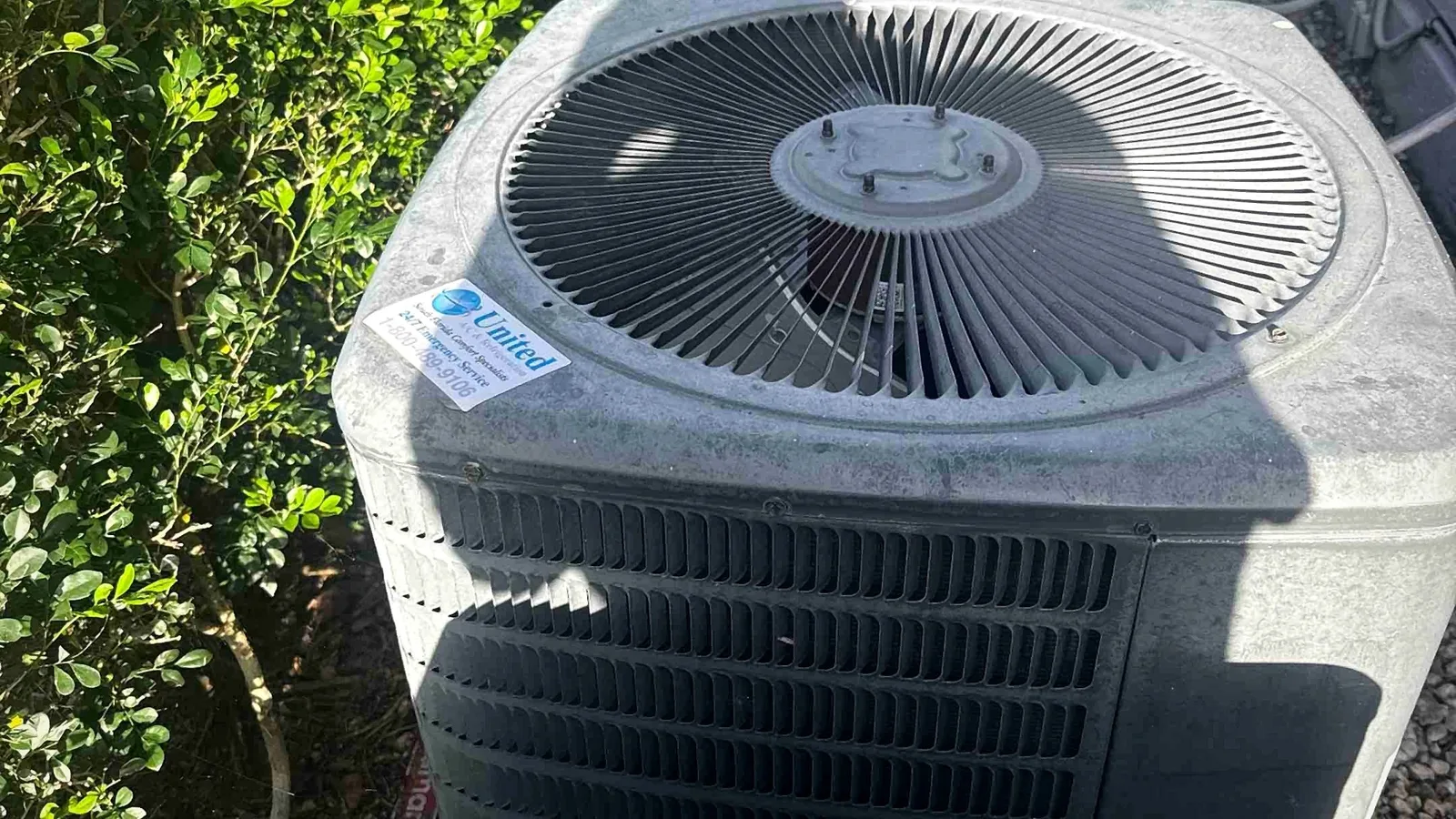
Coastal homes take airborne salt onto condenser coils and fins year-round. It quietly eats the metal, reducing heat transfer first and causing failures later. Rinsing helps more than people expect.
Humidity that cooling alone will not fix
A house can sit at a low temperature and still feel clammy. That is a dehumidification problem — usually oversizing, short-cycling or a dirty coil — and it is very common here.
Storm-season electrical damage
Lightning and grid switching during storm season are hard on control boards and capacitors. Systems that seem fine after an outage sometimes fail days later from that stress.
Undersized or leaky ductwork
A great deal of older housing stock has ducts that were marginal when new. In our climate that shows up as rooms that never quite cool and a system that never quite stops.
Oversized systems
Bigger is not better. An oversized unit cools quickly, shuts off, and never runs long enough to remove humidity — producing a cold, damp house and a shorter equipment life.
Almost every fault on this list is either preventable or predictable here. That is the argument for local knowledge over generic advice.
United A/C & RefrigerationWhy our failures are regional
Equipment here fails in patterns that would look unusual almost anywhere else, and it is worth understanding why rather than treating each fault as bad luck. Nine months of running time means wear items reach the end of their life on a compressed schedule. Salt in the air corrodes coil fins, cabinets and electrical connections, and does so faster the closer you sit to open water. Sustained humidity keeps drain lines wet year round, which is why algae blockages are routine here and rare in drier states. Afternoon storms bring voltage events that stress compressors and control boards. And because our systems rarely rest, small faults get no quiet period in which to be noticed. That combination is also why the maintenance interval that suits a northern home is not the right one here. If your system is showing any of it, a proper diagnosis beats guesswork, and storm preparation prevents a good share of it.
Airborne salt corrodes condenser coils and fins year-round, reducing heat transfer first and causing failures later. Homes within a mile or so of the water benefit from coil protection and regular rinsing more than inland properties do.
Two different climates, ten miles apart
Our service area is not one environment. Along the water — Highland Beach, Lighthouse Point, the barrier-island stretch of Deerfield Beach — the dominant enemy is salt. It corrodes coil fins and cabinets steadily, and it is the reason outdoor equipment fails early in those towns no matter how well it is maintained. Push a few miles west into Sunrise or Plantation and the salt problem largely disappears, replaced by heat retention: wide roads, big roofs and thin tree cover store heat all day and shed it slowly after dark, so systems simply run longer. Both halves of the county share the wet season, when humidity rather than temperature decides whether a house feels comfortable. Advice written for a national audience accounts for none of this.
Serving Broward County and southern Palm Beach County from our shop in Deerfield Beach.
Nine months of
runtime, plus salt.
Runtime is the multiplier
A system here accumulates in a few years the operating hours a northern one takes a decade to reach. Everything wears sooner, which is why local maintenance rhythms differ.
Moisture is constant
Condensate is produced almost continuously for most of the year, so drains, pans and coils stay damp. That is ideal conditions for the blockages and biological growth we see constantly.
The coast is its own zone
Salt exposure changes equipment lifespan measurably within a mile or two of the water. Advice written for inland homes simply does not transfer.
Questions and answers
Why does my AC drain keep clogging?
Because our humidity keeps the line damp almost year-round, and algae thrives in exactly those conditions. Regular flushing during maintenance is the practical prevention; a recurring blockage may indicate a slope or sizing issue worth inspecting.
Does living near the ocean really shorten AC life?
Yes, measurably. Airborne salt corrodes condenser coils and fins, which reduces efficiency first and causes failures later. Homes within a mile or so of the water benefit from coil protection and regular rinsing.
Why is my house cold but still humid?
Usually the system is oversized or short-cycling, so it reaches temperature and shuts off before removing much moisture. A dirty coil produces the same symptom. Both are fixable, and neither is solved by turning the thermostat lower.
Can a power outage damage my AC?
It can. Surges and grid switching during storm season stress capacitors and control boards, and the damage does not always show immediately. A system that behaves oddly after an outage is worth checking.
Is bigger AC better for Florida heat?
No — it is one of the most common and costly misconceptions. An oversized system short-cycles, controls humidity poorly, wears faster and costs more to run. Correct sizing beats extra capacity every time.
Does living near the beach really shorten equipment life?
Yes, measurably. Salt-laden air attacks aluminium coil fins, steel cabinets and electrical connections continuously, and outdoor units within a few blocks of open water commonly reach the end of their service life noticeably sooner than identical equipment inland. Regular rinsing and inspection slows it considerably. When replacement comes round, coastal-rated equipment and protective coil treatment are worth the premium in a way they simply are not further west.
Why does my drain line block every year?
Because it never fully dries out. In a climate this humid the line carries condensate for most of the year, and standing moisture in a dark pipe is ideal for the biological growth that eventually blocks it. That is why clearing and treating the drain belongs in every maintenance visit here, rather than being an occasional extra. A blocked drain is also the most common cause of indoor water damage from an air conditioner.
How we know this
This advice comes from what our technicians actually find on service calls in Broward County and southern Palm Beach — not from national HVAC copy. Salt-air corrosion on the barrier island, drain lines that block every wet season, and equipment running nine months a year are local realities, and they change the right answer.
Worth disclosing: we install Amana equipment, so we are not an independent reviewer. Where a brand or product is discussed we say what it is good and bad at, and we will tell you when the honest answer is to repair what you have or do nothing yet.
Talk to a technician
Have a question this raised? The assistant answers what it can, takes your details, and hands you to a real person who confirms the day and time.