
What to Expect on a Service Call, start to finish.
Knowing how a visit should go is the simplest protection against being oversold. Here is the sequence, what a good technician does, and the questions worth asking.
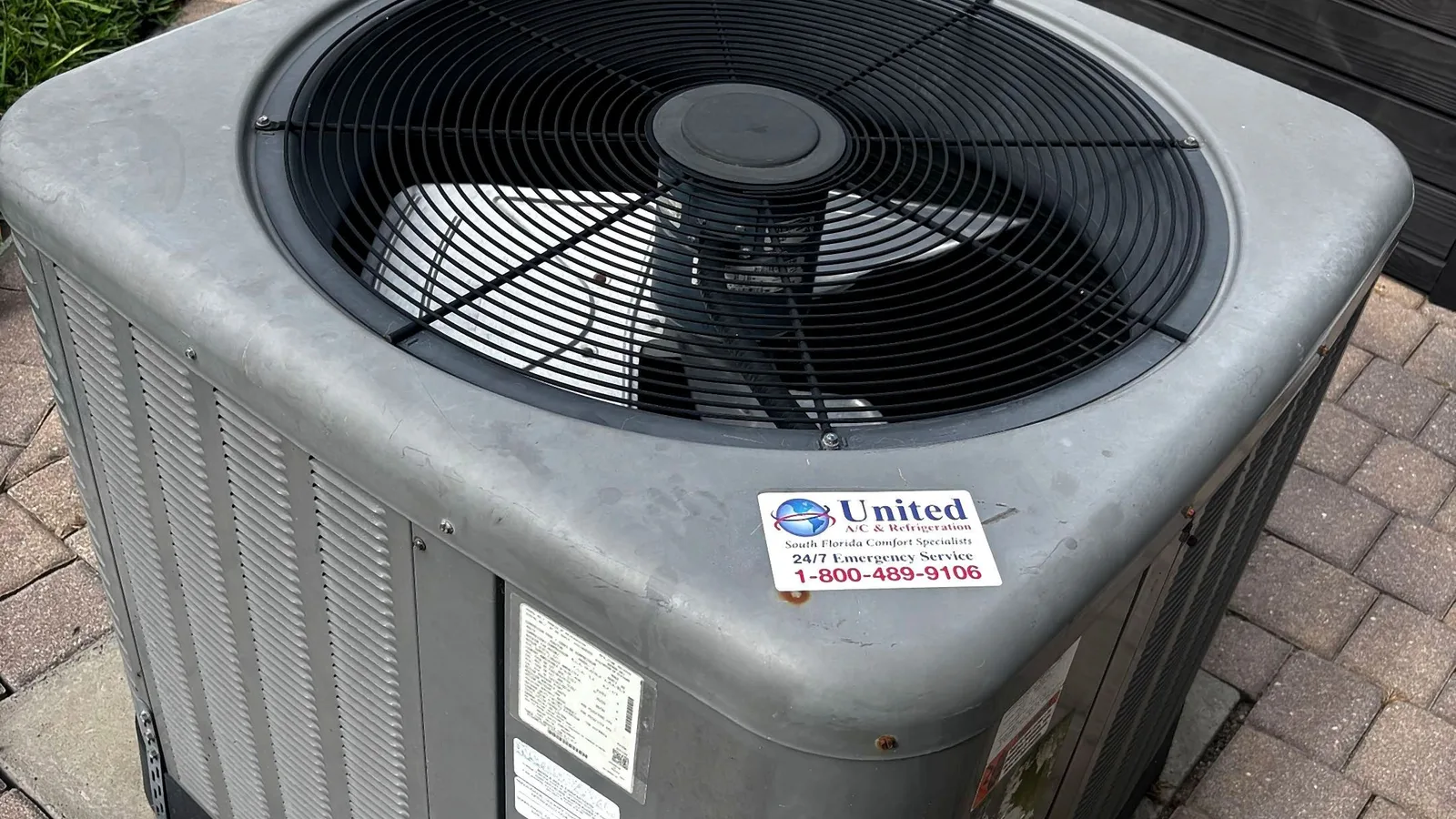
How a visit should run
Knowing how a visit should go is the simplest protection against being oversold. Here is the sequence, what a good technician does, and the questions worth asking.
Before we arrive
Clear access to the indoor unit and the outdoor condenser, and note when the problem happens — constantly, at night, only on hot afternoons. Those details genuinely narrow the diagnosis.
The diagnosis
A technician should inspect rather than assume: airflow, filter, coil condition, electrical components, refrigerant pressures. Skipping to a conclusion is a warning sign.
The explanation
You should hear what failed, why it failed, and what happens if it is left. If the explanation is vague or leans on "it is old", ask for specifics before agreeing to anything.
The price, up front
The number comes before the work, not after. If something else is found mid-job, it should be explained and priced before it is touched.
The repair
Work should be tidy, the area protected, and the system tested before the technician leaves. You should see it running properly, not just be told it is fixed.
After the visit
You should know what was done, what to watch for, and whether anything is likely to need attention soon. Honest forward-looking advice is not a sales pitch.
A good service call ends with you understanding what happened. If it ends with you only knowing what it cost, ask more questions next time.
United A/C & RefrigerationWhat good looks like on the day
A service call worth the money follows a recognisable shape. The technician asks what the system has been doing and for how long, because symptoms over time narrow a diagnosis faster than any single measurement. Then comes actual testing — pressures, temperatures, electrical values — rather than a visual glance followed by a recommendation. You should be told what was found, what it means, and what the options are, including the option of doing nothing yet where that is legitimate. Parts should be named. If replacement is raised, it should come with a reason specific to your equipment rather than its age. Warning signs run the other way: a diagnosis offered before anything is measured, pressure to decide immediately, refusal to show you the failed component, or a quote for a new system on a first visit for a minor fault. Knowing the shape of a good visit is the simplest protection there is, and it is how we work. If a recommendation feels wrong, a second opinion is reasonable.
Ask precisely what failed and why it failed. A named part with a reason separates a genuine diagnosis from a sales position, and the price should always be given to you before any work begins.
What being local actually changes
We are based in Deerfield Beach, which is not a marketing line so much as a scheduling fact. Most of Deerfield Beach, Pompano Beach and Coconut Creek is a short drive, so an afternoon call in those cities is far more likely to be handled the same day, and a follow-up visit is not a logistical event. It also means our technicians already know how particular communities here handle access, parking and working hours — the gated communities of Boca Raton, the barrier-island buildings with service elevators and approved working windows. None of that makes us cheaper. It makes the visit start on time and finish without a second trip, which on a failed system in a Florida August is usually what people actually care about.
Serving Broward County and southern Palm Beach County from our shop in Deerfield Beach.
Four questions
that protect you.
"What exactly failed?"
A specific part and a reason. This single question separates a diagnosis from a sales position, and a good technician will welcome it.
"What happens if I wait?"
Some repairs are urgent, many are not. A trustworthy answer distinguishes between them rather than treating everything as an emergency.
"Is this repair or replace territory?"
You should get an honest read, with both numbers if replacement is genuinely on the table — and no pressure attached to either.
Questions and answers
How long does a typical service call take?
Many straightforward diagnoses and repairs are done within a visit, particularly when the failed part is a common one carried on the truck. Complex faults or parts that must be ordered take longer, and you should be told which you are facing.
Will I know the price before work starts?
You should, always. We assess the problem, tell you the price, and only then begin. If something further is discovered during the work, it gets explained and priced before it is touched.
Do I need to be home?
For a diagnosis, yes — we need access to both the indoor and outdoor equipment, and your description of the symptoms is genuinely useful. For some follow-up work, arrangements can vary.
What should I do to prepare?
Clear a path to the air handler and the outdoor unit, secure pets, and think about when the problem occurs. Those details often shorten the diagnosis considerably.
Can I get a second opinion?
Absolutely, and you should on any major repair or replacement recommendation. Reputable companies expect it. We give free second opinions on other companies' quotes for exactly this reason.
Should I be present for the whole visit?
You do not need to shadow the work, but being available at the start and the end is worthwhile. The opening conversation about symptoms genuinely improves the diagnosis, and the closing one is where you hear what was found and decide what to do. If you are not there for either, you are relying entirely on a written summary for a decision that may involve significant money.
How do I know a recommended repair is genuinely needed?
Ask to see the component and to have the failure explained in terms you can follow. A failed capacitor, a corroded contactor or a blocked drain can all be shown to you. A technician confident in the diagnosis will have no difficulty doing that. Vagueness, or reluctance to show you anything, is the signal worth acting on — and getting a second opinion on any large recommendation is entirely normal.
How we know this
This advice comes from what our technicians actually find on service calls in Broward County and southern Palm Beach — not from national HVAC copy. Salt-air corrosion on the barrier island, drain lines that block every wet season, and equipment running nine months a year are local realities, and they change the right answer.
Worth disclosing: we install Amana equipment, so we are not an independent reviewer. Where a brand or product is discussed we say what it is good and bad at, and we will tell you when the honest answer is to repair what you have or do nothing yet.
Talk to a technician
Have a question this raised? The assistant answers what it can, takes your details, and hands you to a real person who confirms the day and time.