
Burning smell from the vents
A burning or hot electrical smell coming from an air conditioner is one of the few AC symptoms that calls for immediate action rather than troubleshooting. Here is what actually causes it, why the right first step is always to shut the system off, and what happens after that.
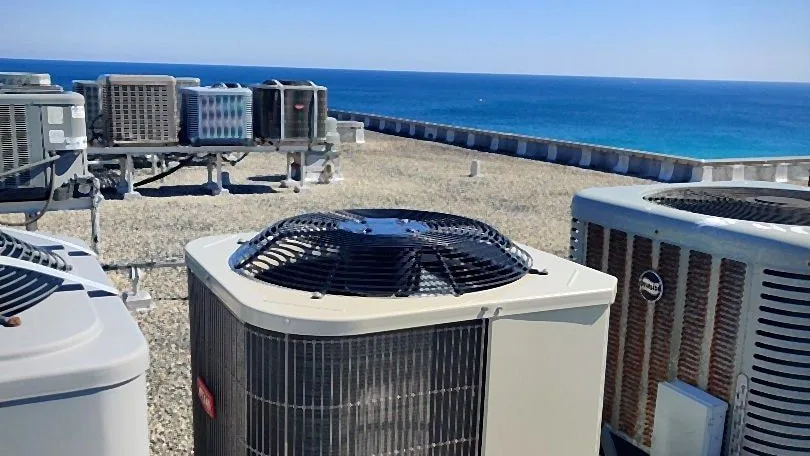
What should I do the moment I smell burning?
Of everything a struggling air conditioner can do, a burning smell is the one symptom that does not reward patience. Warm air, a strange noise, even ice on the coil can usually wait a day for a scheduled visit. A burning or hot electrical odor means something inside the system is overheating right now, and running it further risks turning an inexpensive part failure into a genuinely dangerous situation. This is not the article to read while the system keeps running in the background - the first step, covered below, comes before any explanation of the cause.
Turn the thermostat off, then go to the breaker panel and switch off the breakers for both the air handler and the outdoor condenser. Do this before you investigate anything else. If you can see smoke, smell something stronger than a faint odor, or hear anything unusual alongside the smell, leave the area and treat it the way you would any other sign of an electrical problem in the home.
Do not restart the system to see if the smell was a one-time thing. Electrical and motor faults that produce a burning smell do not resolve themselves, and restarting the equipment while a component is already overheated or damaged can make the failure worse - or, in a small number of cases, genuinely dangerous. Once the system is off at both the thermostat and the breaker, the smell should not return, and at that point the situation has moved from an emergency to a repair that needs a qualified technician before the system runs again.
A burning smell is the one AC symptom where the right first move is never troubleshooting - it is turning the system off.
United A/C & RefrigerationWhat actually causes a burning smell in an AC?
Most burning smells trace back to something electrical rather than to refrigerant, which does not burn or produce that kind of odor.
An overheating motor
A blower motor or an outdoor fan motor that is failing - often from a worn bearing that has been making noise for a while beforehand - can overheat its windings enough to produce a distinct hot, slightly acrid smell, sometimes right before it fails completely.
A failing capacitor or contactor
Capacitors and contactors are small electrical components that can overheat and, in some cases, physically burn as they fail. A contactor with pitted or arcing contacts, common on equipment that has run hard for years, is a frequent source of a genuinely electrical smell.
Dust burning off a heat source
The one version that is usually not an emergency: a brief, mild dusty smell in the first few minutes of the season's first real run, as accumulated dust on a heating element inside some thermostats or on the motor housing burns off. This should fade within a few minutes and not return. If it lingers, intensifies, or comes with any other symptom, treat it like every other burning smell on this page - stop and have it checked.
How do I know if it's dangerous or just dust burning off?
The distinction is duration and intensity, not the smell alone. A faint, dusty odor that fades within a few minutes and does not return on the next cycle is usually harmless residue burning off a component that has sat unused. A smell that continues past those first few minutes, gets stronger rather than weaker, smells distinctly electrical or acrid rather than dusty, or comes with a tripped breaker, is not the harmless version.
If you are ever genuinely unsure which one you are dealing with, treat it as the serious version. Shutting the system off and having it checked costs you a delayed repair appointment at worst; running a system through an actual electrical fault risks the equipment, the wiring, and in rare cases the safety of the house. There is no version of this symptom where the cautious choice is the wrong one.
What happens when a technician gets there?
A technician investigating a burning smell works with the system fully powered down and isolated, checking the motors, capacitors, contactors, and wiring for scorching, pitting, or heat damage before anything is re-energized. Anything found burned or arced gets replaced rather than reused, even if it appears to still function, because a component that has already overheated once is far more likely to fail again. Once the source is identified and replaced, the system is tested under load before being handed back for normal use. This is not a repair to shortcut or self-diagnose; see our repair services for how we handle an electrical-smell call, which we treat with real urgency given what it can mean.
Why electrical smells are a genuine concern in South Florida's climate
A few things about this environment make electrical failures inside a cooling system more common here than in a drier, milder climate. Humidity and salt-laden air corrode electrical contacts - inside contactors, at capacitor terminals, in the outdoor disconnect - faster than they would inland or up north, and a pitted, corroded contact runs hotter and is more prone to arcing than a clean one. Systems here also run far more total hours per year than almost anywhere else in the country, which means every electrical component is cycling more often and simply wearing toward failure on a shorter calendar. Older homes across inland Broward and southern Palm Beach, many built decades before today's electrical demand, sometimes carry original wiring or undersized circuits for the equipment now attached to them, which adds heat wherever a connection is already marginal. None of this means an electrical smell is expected or should be tolerated - it means treating one seriously, immediately, is a genuinely reasonable response in this climate rather than an overreaction.
Serving Broward County and southern Palm Beach County from our shop in Deerfield Beach.
Questions and answers
Is a burning smell from my AC an emergency?
Treat it as one until you know otherwise. Shut the system off at the thermostat and the breaker immediately. A brief, faint dusty smell in the first minutes of a season's first run can be harmless, but anything that lingers, intensifies, or smells distinctly electrical should be treated with real caution, not run through.
Can I turn the AC back on to see if the smell comes back?
No. Restarting equipment that has already produced a burning smell risks worsening whatever is overheating or has already been damaged. Leave it off, at both the thermostat and the breaker, until it has been inspected by a technician who can confirm what actually happened before it runs again.
Does a burning smell mean the whole system needs replacing?
Not usually. Most burning smells trace back to a single overheating component - a motor, a capacitor, a contactor - that can be replaced on its own. Catching it promptly, by shutting the system down at the first sign, is what usually keeps it a contained repair rather than something larger.
What's the difference between a burning smell and a musty smell?
They mean very different things. A musty smell is almost always moisture or mold-related and is unpleasant but not urgent. A burning or hot electrical smell means a component is overheating right now and calls for shutting the system off immediately, not troubleshooting while it keeps running.
Should I call an electrician or an AC technician?
An AC technician, in almost every case, since the overheating component is nearly always part of the cooling system itself - a motor, capacitor, or contactor - rather than the home's general wiring. If the smell is coming from the electrical panel itself rather than the vents or the outdoor unit, that does point toward an electrician instead.
How fast can someone get to a burning-smell call?
We treat this as a priority call given what it can mean, and for most of Broward and southern Palm Beach we aim to get to it the same day. Shut the system off first, then tell the assistant what you smelled and where, and we will help get you seen quickly.
How we know this
This advice comes from what our technicians actually find on service calls in Broward County and southern Palm Beach — not from national HVAC copy. Salt-air corrosion on the barrier island, drain lines that block every wet season, and equipment running nine months a year are local realities, and they change the right answer.
Worth disclosing: we install Amana equipment, so we are not an independent reviewer. Where a brand or product is discussed we say what it is good and bad at, and we will tell you when the honest answer is to repair what you have or do nothing yet.
Talk to a technician
Have a question this raised? The assistant answers what it can, takes your details, and hands you to a real person who confirms the day and time.