
Why diagnostic fees exist
Being charged before any repair happens can feel backwards, especially if the visit doesn't fix anything. Here is what a diagnostic fee is actually paying for, and how to weigh it against a quote that seems to skip it.
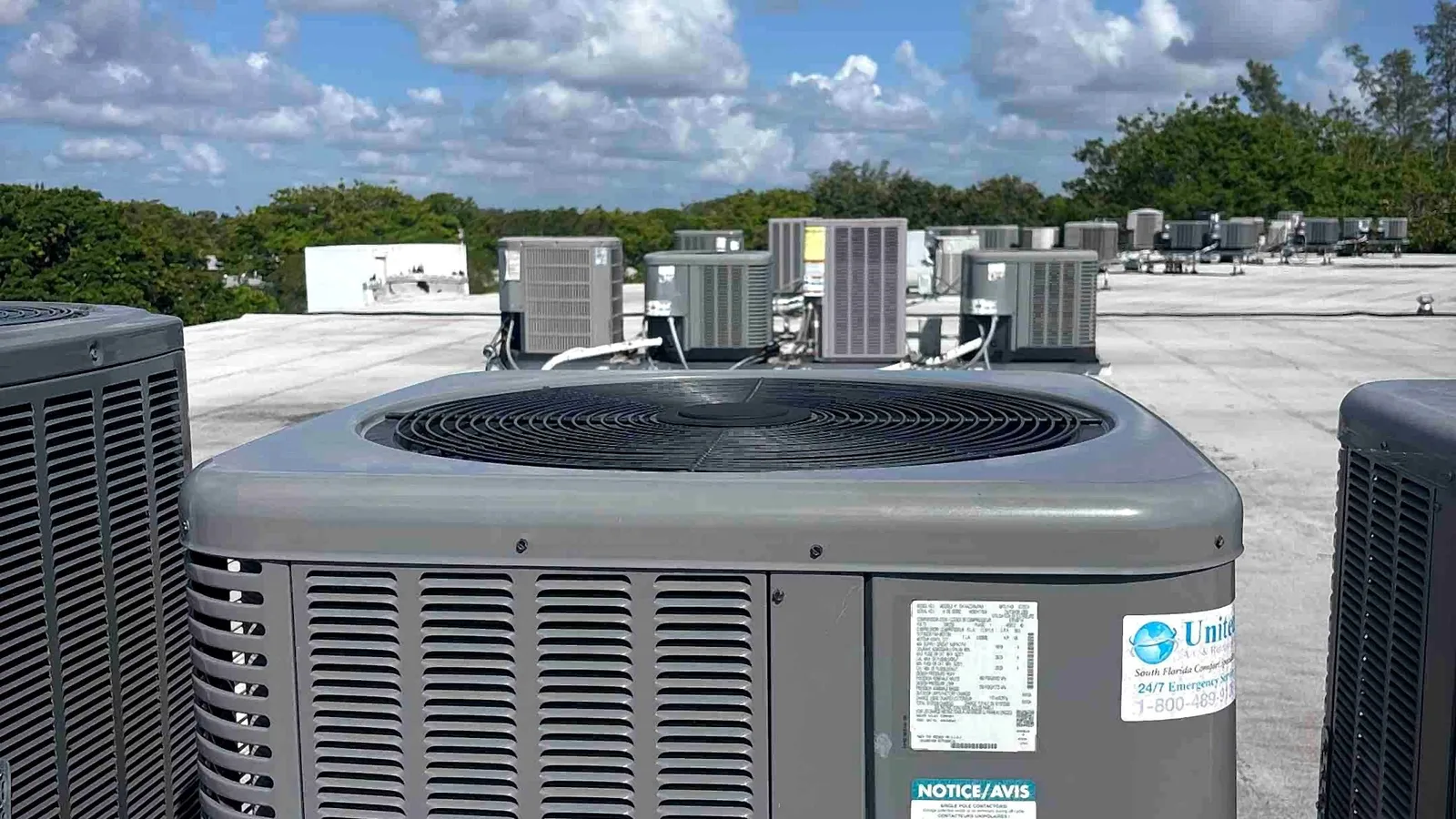
What does a diagnostic fee actually pay for?
Few line items on an AC service invoice raise more questions than the diagnostic fee — a charge that shows up before any actual repair, sometimes even if the technician determines nothing more needs to be done. It can feel like paying just to be told what's wrong, especially compared with industries where an estimate or a quote is handed over free. But that fee stands in for something real: a technician's time, training, and equipment spent finding the actual cause of a problem rather than guessing at it. Understanding what it covers, and why some companies structure it differently than others, makes it much easier to judge a quote fairly and to know what a fair price is actually buying.
It covers the technician's time on site, the training and experience needed to interpret what they find, the specialized gauges and meters used to test the system properly, and the accountability of a documented finding rather than a guess. Diagnosis is a distinct service — determining what's actually wrong — that happens before any decision gets made about fixing it. This is true of most skilled trades and plenty of professional services generally; AC work isn't unusual in charging for the investigation itself.
A diagnostic fee isn't paying to be told what's wrong — it's paying for someone to actually find out, instead of guessing.
United A/C & RefrigerationWhy does it cost the same whether or not I end up doing the repair?
Because the diagnostic work is fully performed either way. The technician still travels to the site, still tests the system, still reaches a conclusion, regardless of what you decide to do with that finding afterward. This structure also protects against a setup where diagnosis is only "free" if you commit to the repair on the spot — a structure that quietly pressures homeowners toward saying yes immediately rather than taking time to think through a proper repair decision.
Why do some companies waive the fee and others don't?
A waived diagnostic fee, typically offered if you proceed with the repair, is a marketing structure rather than free work — the cost is built into the repair pricing instead of billed separately. Neither structure is inherently better or worse. What matters is understanding which one you're being quoted under, so you can compare fairly, since a company that waives the fee but prices the repair higher isn't actually saving you anything. If a quote isn't clear on this, it's a fair and normal thing to ask directly, and a company with nothing to hide should be able to explain its own pricing structure in a sentence or two without hesitation — the same kind of transparency worth checking for when you're learning to spot an HVAC scam.
How should I think about a diagnostic fee when comparing quotes?
Compare like-for-like fee structures rather than the fee alone — the same discipline that helps when reading an AC quote line by line. Ask what it includes — does it cover a written explanation of findings, does it apply toward the repair if you proceed. Don't assume the lowest upfront fee is the best overall value; weigh the total picture instead of any single line item. A thorough diagnosis, done properly, is the foundation the rest of the recommendation stands on, which is worth more than a marginally lower fee attached to a rushed one, since a wrong diagnosis costs you far more than the fee ever would — sometimes turning into the kind of recurring problem that never gets properly resolved. If a diagnosis or a quote still feels off, getting a second opinion is a reasonable next step before committing to a repair.
What should a proper diagnostic visit actually include?
Electrical and mechanical checks before jumping to refrigerant, gauges and meters used with the readings explained to you, the specific failed component identified and, where practical, shown to you, and a written summary of what was found. A visit that skips straight to a recommendation without walking you through the process is worth a second look before you agree to anything.
Is a diagnostic fee the same thing as a maintenance visit?
No, and confusing the two is a common source of frustration. Maintenance is scheduled and proactive — a technician checks a working system against a standard checklist to catch small issues before they become failures, usually on a routine cadence. A diagnostic visit is reactive — something has already gone wrong, and the technician is working backward from a symptom to a specific cause, which takes different tools and a different kind of attention than a routine check. They're priced differently for the same reason a checkup and an urgent visit to a doctor are priced differently: one follows a known routine, the other is open-ended investigation.
Why diagnosis matters more on a system that runs this hard
South Florida systems run almost year-round, so a proper diagnosis has more to sort through than a system that only runs a few months a year elsewhere — wear-related failures, humidity-driven coil issues, salt-air corrosion near the coast from Hillsboro Beach down through Deerfield, and age-related component fatigue can all produce similar-looking symptoms. A system in Coral Springs or Tamarac that runs hard but sits well inland ages differently than an identical one on the barrier island, and a technician who has actually seen both knows to check different things first. A rushed diagnosis is more likely to miss the real cause here simply because more plausible causes are competing for the same complaint, and guessing wrong means paying for a part that was never the problem. That's part of why the time a technician spends actually testing the system, rather than guessing from experience alone, earns its keep in this climate specifically, and it's exactly what the diagnostic fee is paying for. The same logic applies at the coast versus further inland — a coastal call is more likely to involve corroded electrical contacts than an equivalent inland one, and a technician who checks for that specifically, rather than assuming the same failure pattern everywhere, tends to get the diagnosis right the first time.
Serving Broward County and southern Palm Beach County from our shop in Deerfield Beach.
Questions and answers
Is a diagnostic fee just a way to charge me for nothing?
No — it's paying for the technician's time, tools, and expertise spent determining the actual cause of the problem, which is real work whether or not a repair follows. The alternative is a technician guessing at a fix without properly testing the system first, which tends to cost more in the long run through repeated visits and parts that were never the actual problem.
Why do I still owe the fee if the technician doesn't fix anything?
Because the diagnostic work itself was completed regardless of what happens next. The technician still traveled to the site, tested the system, and reached a documented conclusion — that's the service being paid for, separate from whatever repair decision you make afterward.
Is a company that waives the diagnostic fee automatically the better deal?
Not necessarily. A waived fee usually means the cost is built into the repair pricing instead of billed separately, not that the diagnosis was free. Compare the full picture, the fee structure and the repair pricing together, rather than assuming the company that skips a line item is cheaper overall.
Does the diagnostic fee count toward the repair if I go ahead with it?
It depends on the company's structure, and it's a fair thing to ask upfront before the visit. Some apply the diagnostic fee toward the repair cost if you proceed; others treat it as a separate charge regardless. Either approach is reasonable as long as it's explained clearly before you agree to anything.
What should a diagnostic fee actually include?
A proper diagnosis should include the technician's testing with real gauges and meters, an explanation of what they found in plain language, and ideally the specific failed component identified or shown to you directly. If a visit skips straight to a recommendation without walking you through what was actually tested, it's fair to ask more questions before agreeing to anything.
Can I get an estimate of what a repair might cost before the diagnostic visit?
A meaningful estimate generally requires knowing what's actually wrong first, since the same symptom — warm air, a system that won't start, water where it shouldn't be — can have very different causes and very different fixes. Tell the assistant what the system is doing and it can help you understand what kind of visit makes sense and what to expect from it.
How we know this
This advice comes from what our technicians actually find on service calls in Broward County and southern Palm Beach — not from national HVAC copy. Salt-air corrosion on the barrier island, drain lines that block every wet season, and equipment running nine months a year are local realities, and they change the right answer.
Worth disclosing: we install Amana equipment, so we are not an independent reviewer. Where a brand or product is discussed we say what it is good and bad at, and we will tell you when the honest answer is to repair what you have or do nothing yet.
Talk to a technician
Have a question this raised? The assistant answers what it can, takes your details, and hands you to a real person who confirms the day and time.