
How to spot an HVAC scam
Most HVAC companies are honest, but the tactics the dishonest ones use follow recognizable patterns. Here is what those patterns actually look like, so a legitimate recommendation and a pressure play are easy to tell apart.
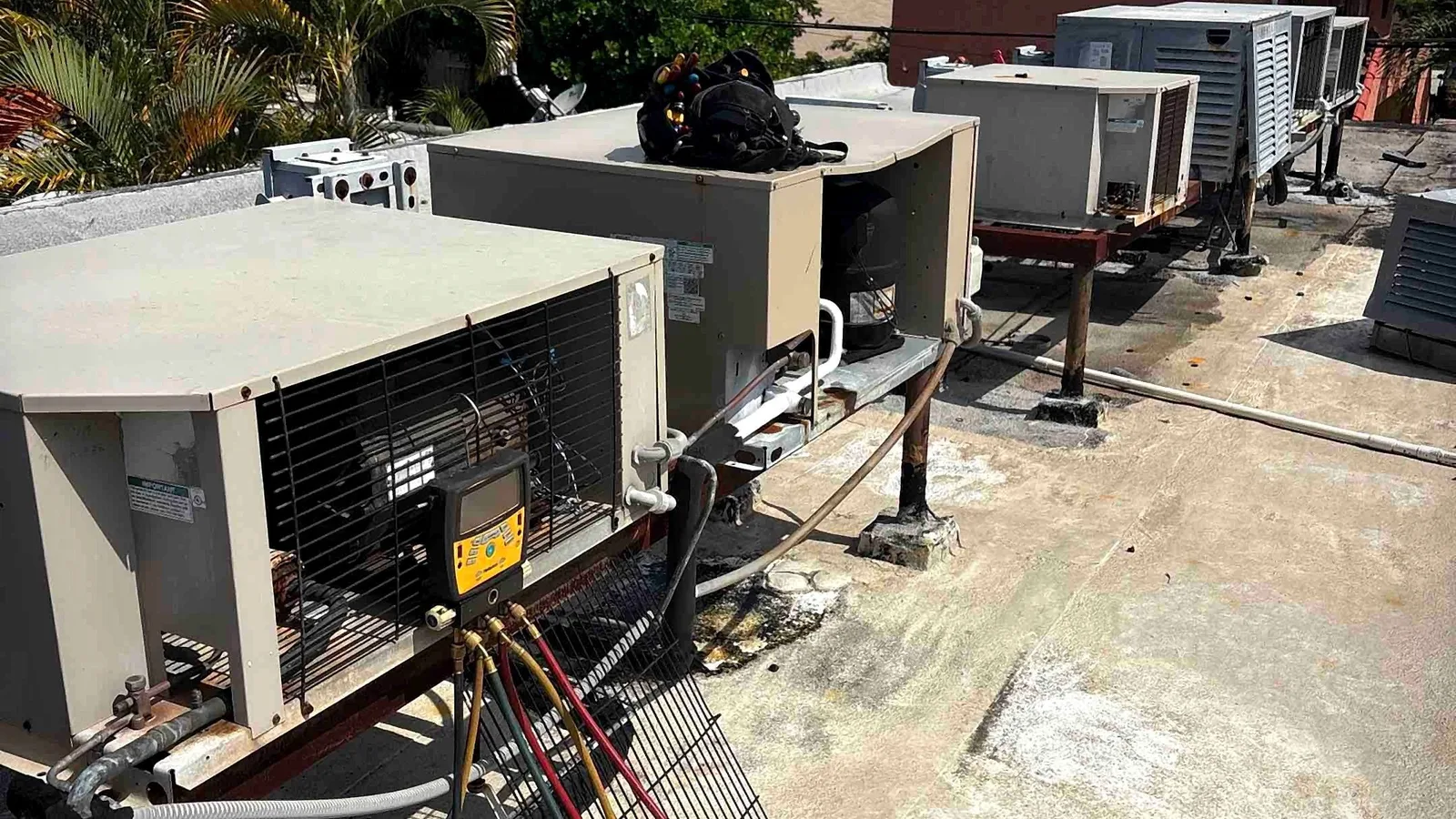
Why is refrigerant such a common scam target?
Most people who work on air conditioners are exactly what they claim to be — technicians trying to fix a real problem. But the industry has a well-documented set of tactics that a smaller number use to sell work that isn't needed, and those tactics repeat often enough to be recognizable. None require special expertise to spot once you know what to look for. This isn't about assuming bad faith from everyone who knocks on your door or answers your call; it's about knowing the specific patterns so an honest recommendation and a manufactured one are easy to tell apart, before either one costs you anything.
Because it's invisible, hard for a homeowner to verify, and topping it off produces an immediate, if often temporary, sense that the problem is fixed. The pattern: being told the system is "low" without being shown any pressure readings, or paying to have it topped up repeatedly with no leak ever located or repaired. Air conditioners don't consume refrigerant — if the charge is low, it has leaked, and refilling without finding the leak just pays for the same repair again and again. A real diagnosis measures pressures against the system's actual target numbers and identifies where the refrigerant is going before recommending a recharge, part of any honest repair visit.
A trustworthy technician's recommendation doesn't need a countdown clock to be worth trusting.
United A/C & RefrigerationWhat does a phantom part failure look like?
A technician insists a part has failed with no verification offered, or claims several unrelated parts failed at once — statistically unlikely and worth questioning. Sometimes the part swapped out still visibly worked. Contrast that with a legitimate diagnosis, which shows you the actual failed part, explains the specific measurement or symptom behind the finding, and doesn't mind you asking to see it for yourself.
Why does high-pressure, same-day selling matter?
A "today only" discount timed to a diagnostic visit, insistence that you decide before the technician leaves, or discouragement from getting a second opinion are all recognizable pressure tactics, and the urgency usually outpaces the actual finding. A legitimate recommendation stands whether you decide today or in three days — a company confident in its own reasoning doesn't need a countdown to close the sale. A real replacement decision deserves the time to think it through, not a clock.
What paperwork and credentials should actually be checkable?
A license number, proof of insurance, a real local business address, and a written estimate should all be easy to get. A properly licensed Florida contractor should have no trouble sharing that number — it's a normal, expected thing to ask for and share, and it should match what a public lookup shows for that company. A company reluctant to provide any of these, or that only accepts cash and rushes the paperwork, is showing you a signal worth taking seriously, especially if the reluctance comes with pressure to move past the question quickly.
It's worth doing this checking before an unfamiliar company is standing in your kitchen, not during. Search the company's name along with the word "complaint" or "review" and see what comes up beyond the company's own site. If the call came from an unsolicited knock or a flyer rather than a search you did yourself, treat that as a reason for a little more scrutiny, not less — it doesn't make the company dishonest, but it removes the vetting step you'd normally do on your own.
What are some other common tactics worth knowing?
Bait-and-switch pricing, where a low advertised call-out fee balloons once someone's inside your house, is one. Scare language about hazards that don't apply to the equipment in front of you is another — a straight-cool AC system doesn't burn gas, so any claim tied to that kind of hazard on an AC-only home is itself worth questioning. Unlicensed door-knockers offering steep discounts for cash with no paperwork trail, and jumping straight to a full replacement off a single component failure without exploring repair first, round out the common list.
What does a trustworthy company actually do differently?
It shows the work, explains the reasoning in plain language, and presents repair and replacement as an honest comparison rather than steering you toward the bigger option. It doesn't need urgency tactics, is comfortable with you getting a second opinion, and stands behind its licensing and a real local presence. Recognizing these patterns is about pattern recognition, not paranoia — the goal is simply telling a genuine recommendation from a pressure play.
Why South Florida sees more than its share of these tactics
Storm season creates real conditions for it: door-knockers following outages and flooding from state to state, some without local licensing or any intention of being around to honor a warranty afterward, exploiting genuine anxiety after a bad night. The region's high volume of AC replacements overall makes it a target-rich environment for tactics that rely on scale. Retiree-heavy 55+ communities, from inland developments to coastal condos, are sometimes singled out specifically because of the assumption that residents won't push back or get a second opinion. And because humidity-related complaints are genuinely common here, refrigerant-based scams are easy to disguise as an ordinary finding rather than an unusual one. Florida's Department of Business and Professional Regulation keeps a public license lookup, and it's worth using before letting any unfamiliar company inside, whether they showed up unannounced after a storm or simply came up first in a search.
Serving Broward County and southern Palm Beach County from our shop in Deerfield Beach.
Questions and answers
How do I know if I'm actually low on refrigerant or being oversold?
Ask to see the actual pressure readings measured against what the system should be running at, not just a claim of "low." If a technician wants to top it off without identifying where the refrigerant went, that's worth questioning — refrigerant doesn't get consumed, so low charge always means a leak, and a real diagnosis finds it rather than refilling around it.
A technician told me I need a full replacement off one bad part. Is that normal?
Not by itself. A single failed component, even an important one, doesn't automatically mean the whole system is done. A trustworthy recommendation explains why the failure points to the system as a whole, considers the equipment's age and condition, and presents repair as a real option alongside replacement rather than skipping past it.
Is it a scam if they offer a discount that expires today?
It's a pattern worth taking seriously, especially paired with pressure to sign immediately. A legitimate price shouldn't need a countdown to be fair, and a company confident in its own numbers generally has no problem letting you take a day to decide, especially on a major repair or replacement.
How can I check if a company is actually licensed?
Florida's Department of Business and Professional Regulation maintains a public license lookup, and a legitimate contractor's license number should be easy to find on their site, trucks, or paperwork without you having to ask twice. Reluctance to provide a license number, insurance proof, or a real business address is itself a signal worth noting.
Are door-to-door AC offers after a storm usually scams?
Not always, but the pattern deserves extra caution. Storms bring in transient crews chasing volume who may not be licensed locally or around to honor any warranty afterward. It's reasonable to ask the same questions you'd ask anyone — license, insurance, a real local address — before agreeing to anything from someone who showed up unannounced.
What should I do if I think I've already been overcharged for something I didn't need?
Gather whatever paperwork you have — the invoice, any readings or explanations you were given, photos of the work if you took any — and get a second opinion from a separate company on the current state of the system. Tell the assistant what happened and it can help you think through what to ask and what your options are going forward, including whether the work was even necessary in the first place.
How we know this
This advice comes from what our technicians actually find on service calls in Broward County and southern Palm Beach — not from national HVAC copy. Salt-air corrosion on the barrier island, drain lines that block every wet season, and equipment running nine months a year are local realities, and they change the right answer.
Worth disclosing: we install Amana equipment, so we are not an independent reviewer. Where a brand or product is discussed we say what it is good and bad at, and we will tell you when the honest answer is to repair what you have or do nothing yet.
Talk to a technician
Have a question this raised? The assistant answers what it can, takes your details, and hands you to a real person who confirms the day and time.