
Insurance, bonding and why they matter
A license proves a contractor is qualified to do the work. Insurance and bonding decide who actually pays when something goes wrong anyway. Here is what each term protects, and how to check before anyone starts work in your home.
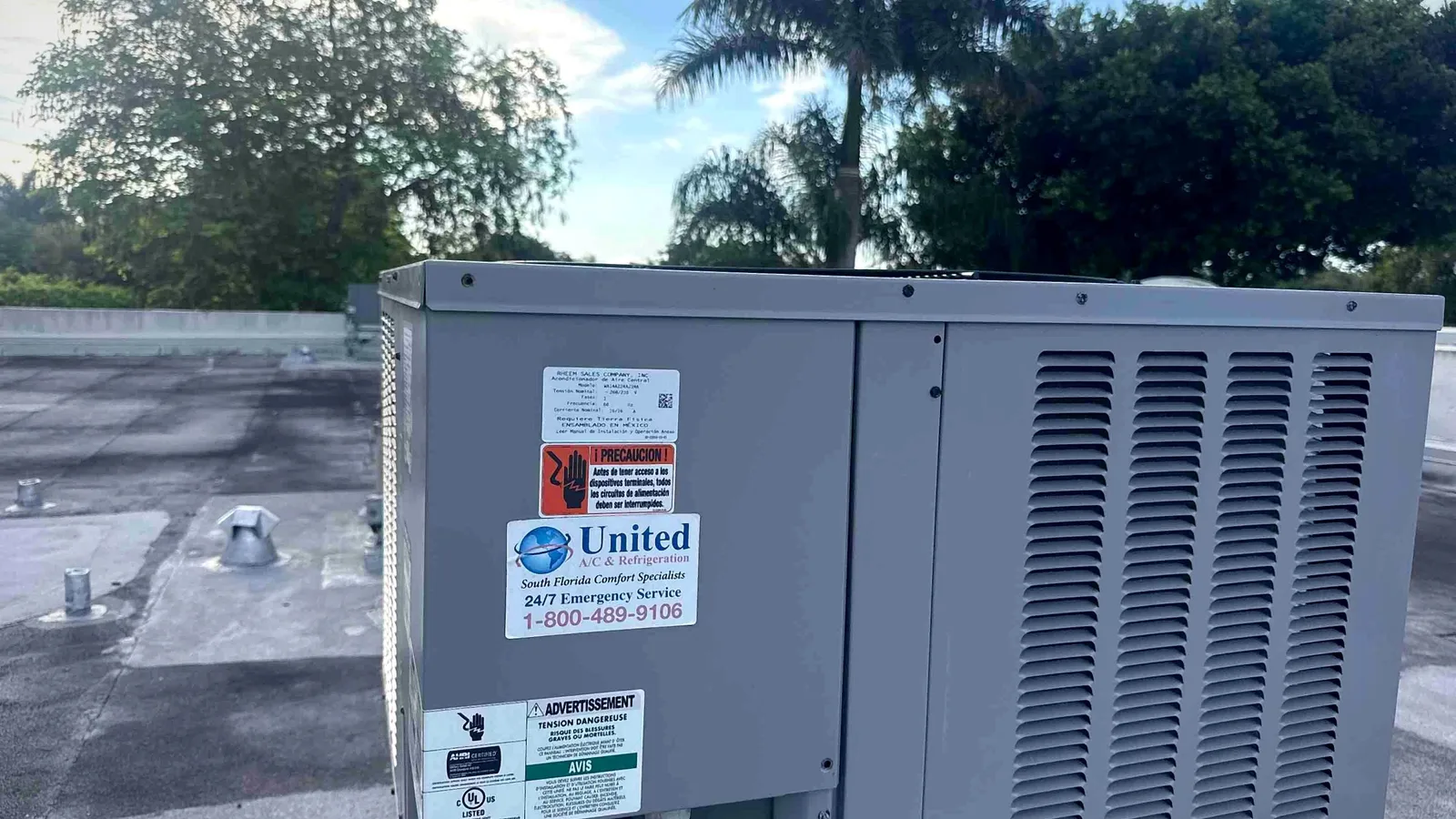
What does it mean for a contractor to be licensed, insured and bonded?
Homeowners usually think about a contractor's insurance only after something has gone wrong, which is exactly backwards. Licensed, insured and bonded are three separate protections, each covering a different kind of failure, and understanding what each one actually guards against is what lets you ask the right question before a technician sets foot in your attic. None of this requires taking anyone's word for it — a license can be verified independently, and a legitimate contractor will produce proof of insurance without being pressed. Here is what each term means, and what happens when one of them is missing.
Those three words get used almost interchangeably, but they cover three different protections, and a homeowner is only fully covered when a contractor genuinely carries all three.
Licensed
A license means the state has verified the contractor passed a trade exam and meets minimum experience requirements to legally perform the work. It is proof of competence, not proof of financial protection if something goes wrong.
Insured
General liability insurance covers damage the contractor's work accidentally causes to your home — a punctured line, a flooded closet, a scorched ceiling from a wiring mistake. Workers' compensation is separate: it covers a technician who is injured on the job, so a fall off a ladder in your attic does not become your financial problem.
Bonded
A surety bond is a third-party guarantee that the contractor will follow through on the contract terms. If they do not — walk off a job, skip a required permit, misuse a deposit — the bond can compensate you up to its limit, and the surety company then pursues the contractor to recover the loss.
A license proves competence, insurance protects the property, and bonding protects the contract — a homeowner is only fully covered when all three are real.
United A/C & RefrigerationWhat happens if a technician is hurt on your property?
If the contractor lacks workers' compensation insurance, an injured worker's medical bills and lost wages can become a claim against your homeowner's policy, or against you personally.
Homeowner's insurance typically covers injuries on your property, but insurers investigate who was actually responsible before paying, and a contractor working without coverage of their own can complicate that determination and inflate your premium after a claim. A worker hurt in your attic or on a roof while servicing a system is exactly the kind of incident workers' comp exists to absorb. When the contractor carries it, their insurer handles the claim and it never touches your policy at all. This is the clearest reason 'insured' is not paperwork — it is the arrangement that decides whose insurance actually pays when something goes wrong. It is also why a company that has stood behind the same license for years tends to keep this coverage current without being asked, because it is core to how they operate rather than an afterthought on a bid.
What does bonding cover that insurance does not?
Bonding protects the contract, not the property. Insurance pays for physical damage or injury; a bond exists for the narrower case where a licensed contractor fails to complete or honor the agreement itself.
Picture a contractor who takes a deposit, starts a job, and disappears, or one who skips pulling a required permit and leaves the homeowner to sort out the paperwork later. Neither of those is property damage in the insurance sense, so a general liability policy would not respond. A bond is what gives a homeowner recourse in that specific situation: a claim against the bond can recover losses up to its limit, and the surety then pursues the contractor. Not every job requires bonding, and requirements vary by license type and job size, so it is worth asking rather than assuming. Reputable contractors treat the question as routine, because carrying a current bond costs them little compared with what it signals to someone deciding who gets to work inside their home.
Why do some contractors skip this coverage?
Mostly cost, and the fact that homeowners rarely ask. Liability insurance, workers' compensation and a bond are all recurring expenses, and a contractor competing purely on price has an incentive to carry the minimum, or nothing, and hope it never comes up.
It usually does not come up — most jobs finish without incident. The risk is asymmetric: an uninsured contractor saves money on every job, and the cost only lands on the rare homeowner whose job goes wrong, at exactly the moment they can least afford a surprise. Storm season adds another version of this problem in South Florida, when out-of-town crews follow the damage and are gone before any issue surfaces. A license number can be verified in minutes; whether that license is backed by current insurance takes one more question. Skipping it is not usually malicious, it is a bet, and the homeowner is the one holding the other side of it.
How can you verify a contractor's license and insurance before work starts?
Ask for the license number and a certificate of insurance, and check both independently rather than taking the paperwork at face value.
Florida's license lookup lets anyone confirm a contractor's license is active and see whether it carries public complaints. A certificate of insurance names the carrier and the coverage dates; a legitimate contractor can produce one without hesitation, and many will list you as a certificate holder on request, so the insurer notifies you directly if the policy lapses. It is reasonable to ask whether workers' compensation is included, since some smaller operations carry liability but skip it for themselves as owner-operators, which is a legal exemption in some cases but still worth knowing before anyone climbs into your attic. Comparing quotes for a replacement or a larger repair is a natural moment to ask, since it is the point where the largest sums and the most time in your home are on the table.
Why this matters more here, especially after a storm
South Florida sees a specific version of this problem that milder climates do not: after a hurricane or a bad storm season, crews from out of state follow the damage and work for a few weeks before moving on. Some are entirely legitimate; others are not licensed to work in Florida at all, and a homeowner dealing with storm damage is often in a hurry, which is exactly when the license-and-insurance question gets skipped. Broward and Palm Beach counties also run separate permitting processes, and a licensed local contractor knows which inspections a given job actually requires — a distinction that matters for AC replacements and any work touching electrical or refrigerant lines. Condo and HOA boards in particular tend to require a certificate of insurance naming the association before a contractor is allowed on the property at all, which is worth confirming before scheduling work in a managed building. None of this is unique to any single town in Broward or southern Palm Beach; it is the ordinary cost of doing cooling work in a region that gets hit by storms and has real permitting rules to follow.
Serving Broward County and southern Palm Beach County from our shop in Deerfield Beach.
Questions and answers
Is it illegal to hire an unlicensed AC contractor in Florida?
Yes, HVAC work in Florida requires a state contractor license, and performing air conditioning installation or repair without one is against the law. Hiring an unlicensed contractor also strips you of the consumer protections licensing provides, including recourse through the state's licensing board if the work is unsafe or incomplete. Checking a license number takes a minute and is worth doing before any work begins.
What is the difference between general liability and workers' compensation insurance?
General liability covers accidental damage the contractor's work causes to your home or belongings. Workers' compensation covers a technician who is injured while working, paying their medical bills and lost wages through the contractor's insurer instead of yours. A contractor can carry one without the other, so it is worth asking about both rather than assuming 'insured' covers everything.
Can I ask to see a contractor's certificate of insurance?
Yes, and a legitimate contractor will not hesitate to provide one. A certificate of insurance names the carrier and the coverage period, and you can often ask to be listed as a certificate holder so the insurer notifies you if the policy lapses. It is a normal, expected question, not an insult, and reputable companies answer it as routinely as quoting the job.
Does bonding mean the same thing as insurance?
No. Insurance pays for damage or injury; a bond is a guarantee that the contractor will honor the contract itself, covering situations like an abandoned job or a skipped permit that insurance would not respond to. Both matter, and they protect against different failures, which is why the two terms are listed separately rather than used interchangeably.
Will a licensed, insured contractor always cost more?
Not necessarily, and the honest comparison is not the invoice total but what each price actually includes. Carrying current insurance and bonding is a real, ongoing cost that a legitimate contractor builds into how they operate, while an uninsured competitor can quote lower because they are not carrying it. The gap tends to show up if something goes wrong, not on the day of the quote.
How do I know United carries this coverage?
United A/C & Refrigeration has been family-owned and serving South Florida since 1998, and operates under Florida license CAC1817263, which you can verify independently through the state's license lookup. Ask the assistant or our office for current insurance documentation, and we will provide it directly rather than asking you to take our word for it.
How we know this
This advice comes from what our technicians actually find on service calls in Broward County and southern Palm Beach — not from national HVAC copy. Salt-air corrosion on the barrier island, drain lines that block every wet season, and equipment running nine months a year are local realities, and they change the right answer.
Worth disclosing: we install Amana equipment, so we are not an independent reviewer. Where a brand or product is discussed we say what it is good and bad at, and we will tell you when the honest answer is to repair what you have or do nothing yet.
Talk to a technician
Have a question this raised? The assistant answers what it can, takes your details, and hands you to a real person who confirms the day and time.