
South Florida AC Maintenance Guide, what actually matters.
Most "maintenance" advice is either a sales pitch or a filter reminder. This is what genuinely extends a system's life in a climate where it runs most of the year — and what you can safely do yourself.
What maintenance actually involves
Most "maintenance" advice is either a sales pitch or a filter reminder. This is what genuinely extends a system's life in a climate where it runs most of the year — and what you can safely do yourself.
Filters
The one job that is genuinely yours. A clogged filter starves airflow, which makes the system work harder, cool worse, and freeze up in the worst cases. Check monthly during summer and replace when it looks grey rather than on a fixed calendar.
Evaporator coil
The indoor coil pulls moisture out of the air all day here, and that damp surface collects dust. A dirty coil kills efficiency long before it kills cooling, so it is the classic invisible cause of a rising power bill.
Condenser coil
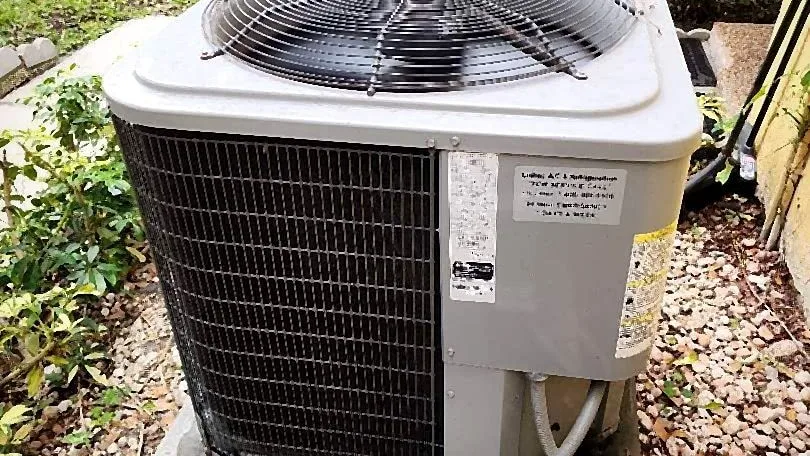
The outdoor coil sheds heat, and it cannot do that buried in leaves, grass clippings or salt residue. Keeping two feet of clearance around the unit is free and genuinely effective.
Condensate drain
Air conditioning produces water, and that water leaves through a line that loves to grow algae in this climate. Many systems have a safety switch that shuts everything off when it backs up — which is a feature, not a fault.
Refrigerant charge
A correctly charged system should never need topping up. If it does, there is a leak, and the maintenance question becomes a repair question. A technician measures this properly rather than guessing.
Electrical and controls
Capacitors weaken, contactors pit, and connections loosen with vibration and heat. Catching a failing capacitor during a tune-up is dramatically cheaper than replacing what it takes out with it.
Maintenance is unglamorous and it is the cheapest thing you will ever do for a system that runs nine months a year.
United A/C & RefrigerationWhat a real visit covers
A maintenance visit worth paying for is mostly measurement. A technician should check refrigerant charge against the equipment's own specification rather than topping it up by feel, read temperature split across the coil, measure static pressure to see whether the ducts are strangling airflow, and check capacitor values before they fail rather than after. The drain line gets cleared and treated, the outdoor coil gets properly cleaned rather than hosed at, and electrical connections get tightened and inspected for corrosion — which matters far more near the coast than inland. If a visit consists of a filter change and a sales conversation, you did not receive maintenance. You can compare that against what our visits actually include, and if remembering to book it twice a year is the real obstacle, that is precisely what the Maintenance Plan exists to solve.
Rather than replacing on a fixed calendar, inspect the filter monthly through the summer and change it once it looks grey and matted. A starved system cools worse, works harder, and can freeze in the worst cases.
Why the coast changes the schedule
Maintenance intervals that suit a northern home make no sense in Broward County, and they make even less sense within sight of the water. Systems here run close to nine months a year, so wear accumulates on a compressed schedule. Then there is the salt. In Hillsboro Beach, Lauderdale-by-the-Sea and Highland Beach — towns that sit one or two properties deep between the ocean and the Intracoastal — salt-laden air attacks aluminium coil fins, steel cabinets and electrical connections continuously. Outdoor units in those towns routinely reach the end of their service life years before identical equipment in Tamarac or Margate, a few miles inland. Rinsing and inspecting the coil is not housekeeping on the barrier island; it is the single thing that decides whether a condenser lasts.
Serving Broward County and southern Palm Beach County from our shop in Deerfield Beach.
Twice a year,
not once.
Our season never really ends
A northern system rests for months. Here it runs most of the year, so it accumulates wear on a different schedule — which is why the standard annual visit is a poor fit for this climate.
Before summer, and after
A spring visit catches what will fail under load, and a follow-up catches what the heavy season did. That rhythm prevents far more August emergencies than a single check ever will.
Maintenance keeps warranties valid
Most manufacturer warranties require documented maintenance. Skipping it can leave you holding a repair bill the warranty would otherwise have covered.
Questions and answers
How often should I change my AC filter?
Check it monthly through the summer rather than following a fixed schedule. Homes with pets, renovations, or heavy use clog filters far faster than the box suggests. If it looks grey and matted, replace it regardless of the date.
Is maintenance actually worth paying for?
In this climate, usually yes. A tuned system draws less power, breaks down less, and lasts longer, and most manufacturer warranties require documented maintenance anyway. The savings tend to exceed the cost over a few seasons.
What can I safely do myself?
Change the filter, keep two feet of clearance around the outdoor unit, and gently rinse the outdoor coil with a hose. Anything involving refrigerant, electrical components, or opening the equipment should be left to a licensed technician.
Why does my AC shut off by itself?
Frequently a safety switch responding to a backed-up condensate drain. The system is protecting your home from water damage. Clearing the line usually resolves it, but a recurring backup is worth investigating properly.
Does maintenance help with humidity?
Yes. A clean coil and correct airflow are what let a system pull moisture out of the air properly. A neglected system often cools the air without drying it, which is why a house can feel clammy at a low thermostat setting.
Is twice a year genuinely necessary, or is that just an upsell?
In this climate it is genuinely different from the northern norm. Cooling equipment here runs most of the year rather than for one season, so wear accumulates on a schedule an annual visit does not match. A check before the heavy season and another after it catches roughly twice as much. That said, a sound system in a mild-use home may do fine on one thorough visit — we would rather say so than sell a second.
What can I do myself between visits?
Three things, and they matter more than people expect. Change filters on a real schedule rather than when you remember. Keep a clear area around the outdoor unit so it can shed heat, which means cutting back anything growing into it. And watch the drain line, since a backed-up drain causes more indoor water damage than any other single fault. Everything past that involves measurement and refrigerant, which needs a technician.
How we know this
This advice comes from what our technicians actually find on service calls in Broward County and southern Palm Beach — not from national HVAC copy. Salt-air corrosion on the barrier island, drain lines that block every wet season, and equipment running nine months a year are local realities, and they change the right answer.
Worth disclosing: we install Amana equipment, so we are not an independent reviewer. Where a brand or product is discussed we say what it is good and bad at, and we will tell you when the honest answer is to repair what you have or do nothing yet.
Talk to a technician
Have a question this raised? The assistant answers what it can, takes your details, and hands you to a real person who confirms the day and time.