
Hurricane Season AC Prep, before, during, after.
Storm season is hard on cooling equipment in ways that are easy to prevent and expensive to ignore. This is the practical sequence — including the restart mistake that damages systems every year.
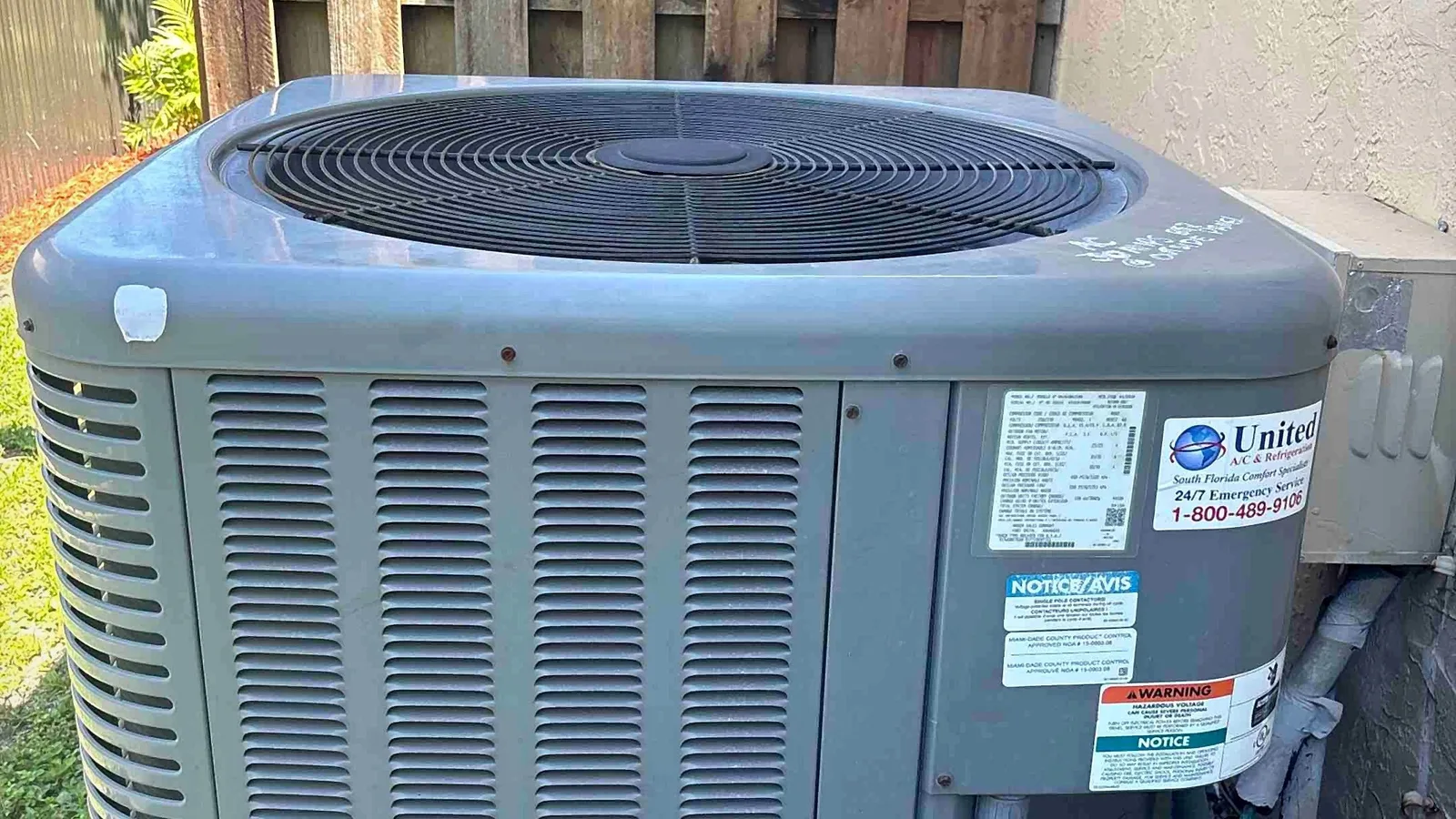
Preparing before the forecast
Storm season is hard on cooling equipment in ways that are easy to prevent and expensive to ignore. This is the practical sequence — including the restart mistake that damages systems every year.
Before: shut it down properly
When a storm is imminent, switch the system off at the thermostat and then at the breaker. That protects it from the surges and brownouts that accompany grid damage, which is where most storm-related failures originate.
Before: clear the surroundings
Loose furniture, branches and debris become projectiles. Anything near the condenser that could be thrown into it is worth moving or securing well ahead of time.
Before: consider surge protection
A whole-home or dedicated surge protector is modest compared with replacing a control board or compressor. Storm season is the argument for it.
During: leave it off
Running equipment on unstable power is how boards and capacitors die. Once the breaker is off, leave it off until power is genuinely restored and steady.
After: inspect before restarting
Look for standing water at the outdoor unit, visible damage, or debris in the coil. If the unit was submerged even briefly, do not energise it — have it inspected first.
After: restart deliberately
Restore the breaker, wait several minutes before calling for cooling, then start the system and listen. Anything unusual is worth a call rather than another attempt.
Storm preparation for cooling is three habits: shut it off early, leave it off, and never energise something that has been under water.
United A/C & RefrigerationBefore, during, and after a storm
Most storm damage to cooling equipment is preventable, and the preventable part happens before the forecast. Securing the outdoor unit to its pad, clearing anything nearby that could become a projectile, and fitting surge protection are the three measures that matter most, because the majority of post-storm failures are electrical rather than structural. During an outage, switching the system off at the breaker protects it from the voltage irregularities that accompany power being restored — a step people skip and then regret. Afterwards, the sequence matters: check for physical damage and standing water around the outdoor unit before restoring power, and never run a system that has been submerged. Flood water carries debris and salt into components that were never designed for either. If your system stopped after a storm, resist the urge to keep resetting the breaker; that is how a fixable fault becomes a replacement. Have it inspected, and consider a plan that puts a check either side of the season.
An outdoor unit that has been submerged, even briefly, should never be energised before inspection. Floodwater leaves corrosive residue inside components, and a restart risks a short circuit and a hazard to whoever throws the breaker.
What storm season does to coastal equipment
Storm season is hardest on the towns with the least land between them and the ocean. In Hillsboro Beach, Lauderdale-by-the-Sea, Lighthouse Point and Highland Beach, wind-driven salt spray reaches equipment that would normally only see ordinary coastal air, and it accelerates corrosion sharply in a single season. Add storm surge and standing salt water around a condenser pad and the damage stops being gradual. Inland across Broward the risk profile shifts to power: outages, then the voltage irregularities that arrive when supply is restored, which is what actually kills compressors and control boards. Both halves of our service area benefit from surge protection and from switching the system off at the breaker during an outage — but on the barrier island, a post-storm rinse matters just as much.
Serving Broward County and southern Palm Beach County from our shop in Deerfield Beach.
Never restart
a flooded unit.
Water and electricity do not forgive
An outdoor unit that has been submerged can hold water in places that turn a restart into a short circuit — and a hazard to whoever throws the breaker.
Damage is not always visible
Silt and salt water leave corrosive residue inside components even after the water recedes. A unit that starts may fail days later from what the flooding left behind.
Insurance prefers evidence
A professional inspection documents storm damage properly. Restarting first and destroying the evidence can complicate a claim considerably.
Questions and answers
Should I cover my outdoor unit before a storm?
Securing the area matters more than covering the unit. Covers can trap moisture and are themselves likely to become debris in high wind. Clearing and securing loose objects nearby is the more useful action.
Can I run my AC during a hurricane?
You should not. Grid instability during a storm subjects equipment to surges and brownouts that damage control boards and compressors. Switching off at the breaker before the weather arrives is the safest approach.
My outdoor unit was under water. Can I turn it on?
No — have it inspected first. Submerged equipment can short on restart, which is dangerous, and floodwater leaves corrosive residue inside components even after it drains. This is one case where waiting genuinely matters.
My AC worked after the storm but failed a week later. Why?
Storm-related electrical stress often causes delayed failures. A capacitor or board weakened by a surge can operate for days before giving out, which is why odd behaviour after an outage is worth checking.
Is surge protection worth installing?
For most homes here, yes. The cost is modest relative to the components it protects, and storm season combined with routine grid switching gives it plenty of opportunity to earn its place.
Should I cover my outdoor unit before a storm?
Generally no, and it can cause harm. Covers trap moisture against the cabinet and coil, and if the system runs with a cover fitted, it cannot shed heat. Securing the unit properly and clearing loose objects from the area does far more good. The exception is manufacturer-supplied protection intended for that purpose, which is designed to be used with the system switched off.
Power came back and the system will not start. What now?
Switch it off at the breaker and leave it there. Repeated attempts to restart after a power event can compound damage to the compressor or control board, and the fault is rarely something a reset will clear. Check for visible damage or standing water around the outdoor unit while you wait, and mention what you saw when you book. A system that was submerged should never be restarted at all.
How we know this
This advice comes from what our technicians actually find on service calls in Broward County and southern Palm Beach — not from national HVAC copy. Salt-air corrosion on the barrier island, drain lines that block every wet season, and equipment running nine months a year are local realities, and they change the right answer.
Worth disclosing: we install Amana equipment, so we are not an independent reviewer. Where a brand or product is discussed we say what it is good and bad at, and we will tell you when the honest answer is to repair what you have or do nothing yet.
Talk to a technician
Have a question this raised? The assistant answers what it can, takes your details, and hands you to a real person who confirms the day and time.