
Lowering Your AC Energy Bills, free changes first.
Cooling is the largest line on a South Florida summer bill, which makes it the biggest opportunity. These are the changes that genuinely move the number, in order of what they cost you.
Where the consumption goes
Cooling is the largest line on a South Florida summer bill, which makes it the biggest opportunity. These are the changes that genuinely move the number, in order of what they cost you.
Thermostat discipline
Every degree costs money in a climate that runs cooling nine months a year. Finding the highest setting that still feels comfortable is the single cheapest saving available to you.
Manage humidity, not just heat
Drier air feels cooler at the same temperature. A system that dehumidifies properly lets you sit a degree or two higher without noticing, which compounds over a season.
Keep airflow unobstructed
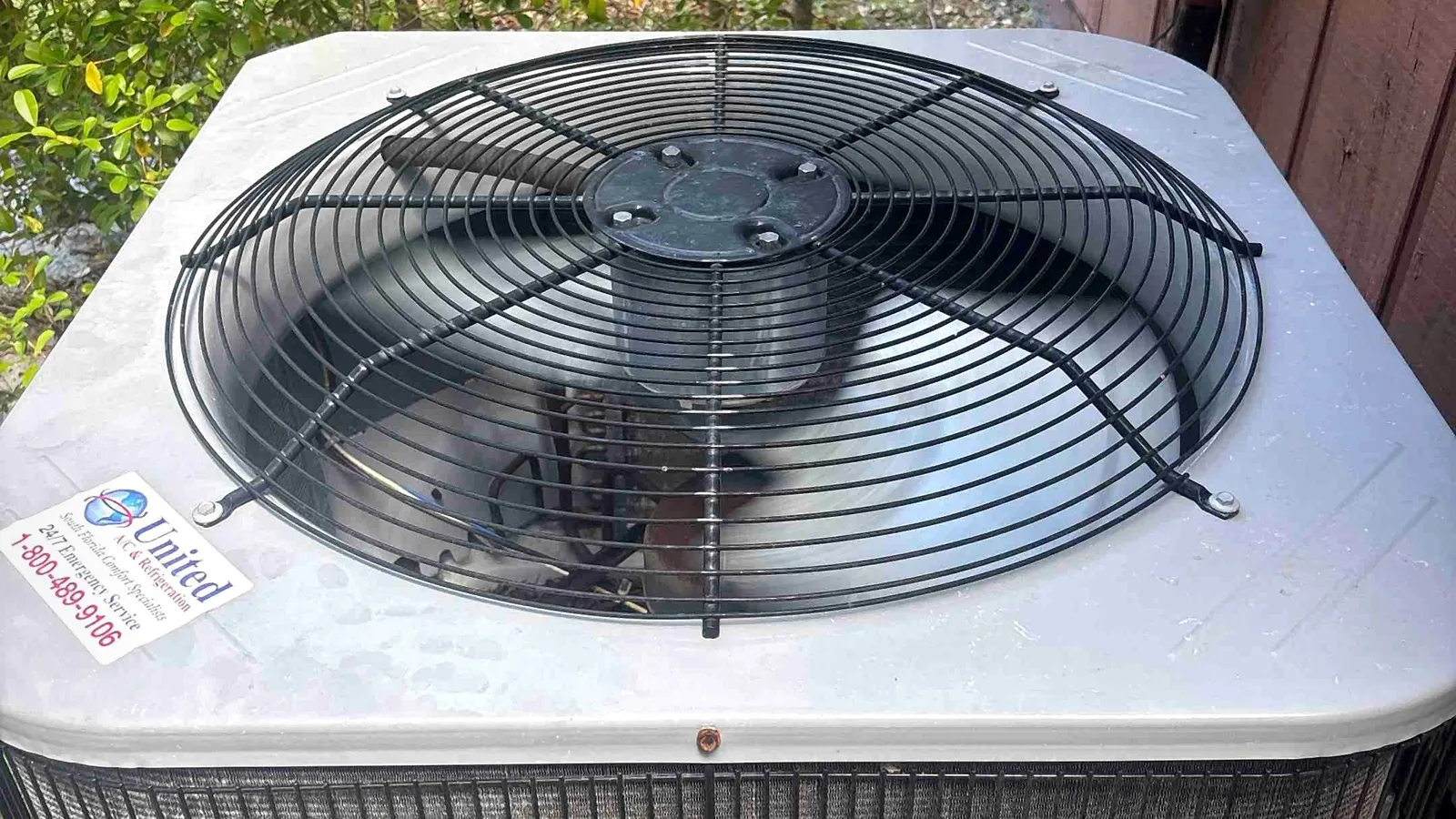
A clean filter, clear vents and two feet of clearance around the outdoor unit are free. A starved system runs longer for the same cooling, which is the definition of wasted money.
Reduce the load on the house
Shade on west-facing glass, sealed gaps, and attic insulation reduce how much heat the system has to remove. Fixing the house is often cheaper than upgrading the equipment.
Maintain what you have
A dirty coil silently raises consumption for months. Maintenance rarely feels urgent, which is precisely why it is the most commonly skipped saving.
Then consider efficiency
If the system is old and inefficient, a modern high-SEER2 replacement genuinely lowers running cost. That is a real saving — but it belongs after the free changes, not instead of them.
The cheapest kilowatt is the one you never needed. Start there, and buy efficiency once the easy wins are taken.
United A/C & RefrigerationWhere the money actually goes
Cooling dominates a summer bill here, so the savings worth chasing are the ones tied to how long the system runs and how hard it works while running. A restricted filter, a fouled outdoor coil or leaking ducts all force longer run times for the same result, and none of them announce themselves — the bill simply creeps. Thermostat setback works, though less dramatically than in climates with cold nights, because a house that has absorbed heat all day has to shed it again. Ceiling fans make people feel cooler without cooling rooms, which is useful only if you raise the set point to match. Sealing obvious infiltration around doors, windows and attic penetrations reduces the humid outside air the system has to dry. The unglamorous truth is that most sustainable savings come from equipment kept in proper condition rather than from any single trick, which is the case for regular servicing and for checking duct integrity.
Thermostat setting, a clean filter, clear vents, two feet of clearance around the outdoor unit and curtains on the sun side cost nothing and often produce a visible change on the next bill. Equipment comes later.
Why western Broward bills run higher
Cooling dominates a summer electric bill across South Florida, but the size of that bill varies noticeably by where you live. Homes in Parkland, Coral Springs and the Plantation Acres end of Plantation tend to be larger, newer and sitting on open lots with substantial roof area and glass. There is no evening sea breeze that far west to take the edge off, so heat stored through the afternoon keeps radiating well after dark and systems keep running. Several of those houses also run two or more systems, which multiplies any inefficiency. The result is that the same careless fault — a fouled coil, a leaking duct run into the attic — costs materially more per month out west than it would in a compact home closer to the coast.
Serving Broward County and southern Palm Beach County from our shop in Deerfield Beach.
Free first,
then paid.
Do the no-cost things
Thermostat setting, filter, clearance, vents, curtains on the sun side. Together these often produce a visible change on the next bill for nothing.
Then the low-cost things
A maintenance visit, sealing obvious duct leaks, adding shade. Modest spending with a reliable return, and they make any future upgrade perform better.
Then talk about equipment
If your system is old and inefficient, replacement is a genuine saving — but only after the cheap wins are taken, so you are not paying to cool a leaky house efficiently.
Questions and answers
What thermostat setting saves the most without being uncomfortable?
The highest one you genuinely do not notice — which is personal. The useful insight is that comfort depends on humidity as much as temperature, so a system that dries the air well often lets you sit higher than you expect.
Does turning the AC off while out actually save money?
In our climate, letting a house get very hot means the system works hard to recover, and it must remove the moisture that built up too. A modest setback is usually better than switching off entirely.
Do ceiling fans lower the bill?
They lower the temperature you need, not the room temperature. Fans make people feel cooler, so they let you raise the thermostat — but running them in empty rooms simply adds consumption.
Is a new high-efficiency system worth it purely for savings?
If you are replacing an old, low-efficiency unit, the saving is real and significant here because cooling dominates the bill. Replacing a healthy modern system purely for efficiency rarely pays back.
Why did my bill rise with no change in habits?
Usually the system has lost efficiency — a dirty coil, low refrigerant, or a failing component making it run longer for the same result. A tune-up typically identifies it.
Is it cheaper to leave the system at one temperature all day?
Broadly yes in this climate, with a caveat. Letting a house climb far above your comfort point while you are out means the system then has to remove both the heat and the humidity the house absorbed, and recovery can cost more than the setback saved. A modest setback of a few degrees is usually worthwhile; a large one often is not. Humidity is what makes our arithmetic different from a dry climate's.
Will a more efficient system fix a high bill?
Only if the current one is genuinely inefficient. Replacing a well-maintained mid-efficiency system rarely produces the savings the brochure implies, and the payback period can outlast your ownership of the house. Replacing a failing, oversized or badly ducted system frequently does produce real savings. The difference lies in diagnosing why the bill is high before spending on equipment, which is a question worth answering first.
How we know this
This advice comes from what our technicians actually find on service calls in Broward County and southern Palm Beach — not from national HVAC copy. Salt-air corrosion on the barrier island, drain lines that block every wet season, and equipment running nine months a year are local realities, and they change the right answer.
Worth disclosing: we install Amana equipment, so we are not an independent reviewer. Where a brand or product is discussed we say what it is good and bad at, and we will tell you when the honest answer is to repair what you have or do nothing yet.
Talk to a technician
Have a question this raised? The assistant answers what it can, takes your details, and hands you to a real person who confirms the day and time.