
Cooling a barrier island home
A house between the ocean and the intracoastal lives a different life than one a few miles inland, and the cooling system lives that life with it. Here is what changes about space, storms, access, and humidity — separate from the salt itself.
Why is finding room for the equipment its own problem here?
Living on a barrier island changes more about home cooling than the salt in the air, which gets most of the attention. Lots are narrower, storm exposure is direct rather than filtered by miles of inland buffer, the only way off the island is often a single bridge, and the house sits with open water pressing humidity in from two directions instead of one. None of that shows up on a spec sheet, but it shapes where equipment goes, how it is secured, and how realistic it is to expect a technician the moment you call. Here is the practical version, separate from corrosion.
Barrier island lots are typically narrower and more tightly built than their inland counterparts, and many are governed by architectural review boards that control what can sit outside and where. A condenser that would simply go on a side pad inland may need to be screened from the street, elevated above expected flood levels, or tucked onto a roof or a rear platform because there is no other legal spot for it.
Elevated and older construction adds constraints
Many island homes are built up on pilings or elevated slabs for flood compliance, which means the ground-level pad that works everywhere else is not an option, and equipment often ends up on a bracketed platform instead. Older buildings closer to the water sometimes have equipment on flat or low-slope roofs for the same reason. Getting this right the first time, during a replacement, avoids a second visit to relocate a unit that was never going to pass review where it started.
None of what makes island cooling different shows up on a spec sheet — it shows up in where the unit can legally sit and how fast anyone can reach it.
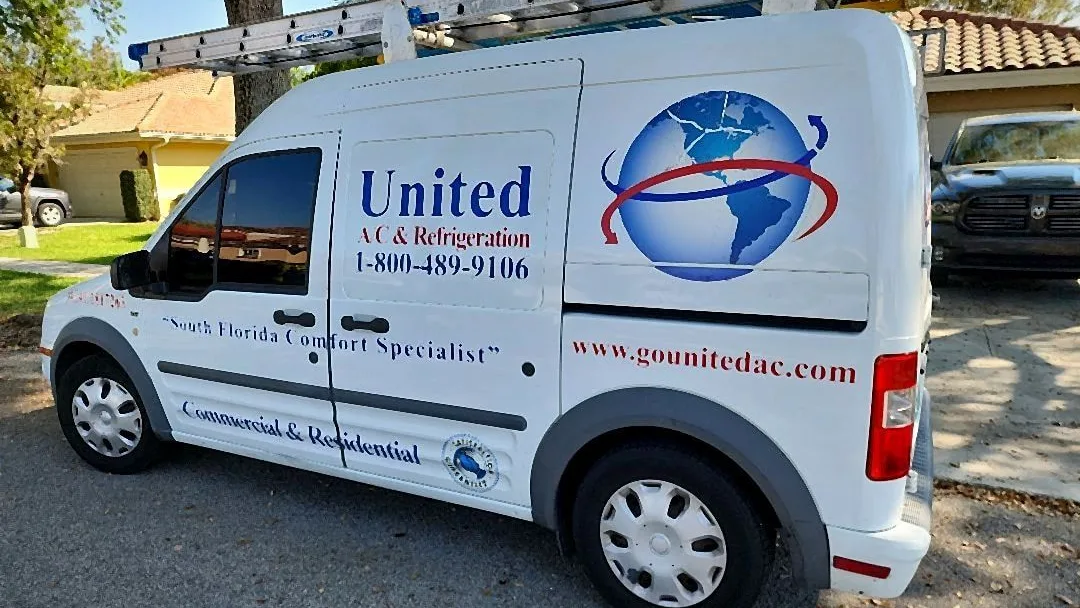
United A/C & RefrigerationHow does storm season change the equipment decisions?
Direct exposure to wind and surge means the outdoor unit needs real hold-down hardware, not just a pad. Hurricane straps or tie-down kits rated for the wind zone keep a condenser from becoming a projectile or simply walking off its pad in a strong gust, and that is a code requirement worth confirming on any island installation, not an upsell.
The shutdown routine before you evacuate
Island homeowners often leave ahead of a storm rather than ride it out, which adds a step inland homes skip: powering the system down properly, closing the outdoor disconnect, and, where flooding is a real risk, getting the unit as protected as the site allows before locking up. A system left running through a storm surge or a prolonged power flicker risks damage that a five-minute shutdown would have prevented.
Does the bridge really affect getting a technician out here?
It can, honestly. A barrier island reached by a single drawbridge or a causeway that backs up in storm-season traffic adds real minutes, sometimes more, to a service call that would otherwise be routine. We are not going to promise a tech is standing by at the foot of the bridge; the honest answer is that island calls can take a little longer, especially during evacuation traffic or a bridge opening, and it is worth building that into how far in advance you call when a storm is approaching rather than waiting until the last morning.
Why does the house feel humid even on a mild day?
An island sits with open water on two sides — ocean on one, intracoastal or bay on the other — and that geometry keeps ambient humidity higher than it is a mile or two inland, even when the air temperature itself is unremarkable. A system that is sized and maintained to actually pull moisture out of the air, not just drop the temperature, matters more here than almost anywhere else in the service area. Short-cycling from an oversized unit is a worse problem on the island, because the humidity it fails to remove has nowhere pleasant to go in a house already surrounded by water.
Does island living change how often the system needs service?
It changes the rhythm more than the basics. Combined with the corrosion load, the storm exposure and near-constant humidity mean an island system benefits from being checked on a tighter schedule than the standard twice-a-year visit, particularly heading into and coming out of storm season. Regular maintenance also gives us a chance to confirm the tie-downs and platform are still sound, which is easy to overlook between named storms.
It is also a good moment to confirm the outdoor disconnect is easy to reach and clearly marked, since that is the piece you or a technician will need fastest if a storm is closing in and the shutdown has to happen quickly, in the dark, with bags already in the car.
What island living looks like from Deerfield to Highland Beach
The barrier strip that runs from Hillsboro Mile up through Lauderdale-by-the-Sea and down into southern Palm Beach County towns like Ocean Ridge, Manalapan, and Highland Beach shares the same basic geometry: a narrow ribbon of land with open ocean on one side and the intracoastal on the other, reached by a limited number of bridges. Lots tend to be smaller and more tightly regulated than inland subdivisions, older buildings sit closer to flood-compliance rules than newer construction does, and evacuation routes concentrate onto the same handful of crossings whenever a storm approaches. A condo tower and a single-family island house face different specifics — one deals with a building association's rules, the other with its own pad or platform — but both are working around the same three realities: tight space, direct storm exposure, and a bridge that can turn a fifteen-minute drive into much longer on the wrong afternoon. Planning equipment placement, storm prep, and service timing around that geography, rather than treating an island home like any other, is what actually keeps a system running through the season.
Serving Broward County and southern Palm Beach County from our shop in Deerfield Beach.
Questions and answers
Can I put my outdoor AC unit anywhere I want on an island lot?
Usually not without checking first. Many barrier island communities have architectural review boards or HOA rules governing equipment placement, screening, and visibility from the street, on top of standard flood-elevation and setback requirements. It is worth confirming the rules for your specific property before a replacement is scheduled, so the unit only has to be installed once.
Do island homes need special hurricane preparation for the AC?
Yes, more than a quick glance. Confirm the outdoor unit has proper hurricane straps or tie-down hardware rated for your wind zone, and plan to shut the system down and close the outdoor disconnect before you evacuate rather than leaving it running through a storm. Flood-prone spots may also call for elevating the unit further where the site allows it.
Will a technician really come out to the island during a storm?
We do our best, but bridge traffic, evacuation flow, and closures during an active storm can genuinely slow things down, and we will not pretend otherwise. The practical move is to call ahead of the storm rather than during it, and to handle the basic shutdown steps yourself if the system needs attention right as conditions turn.
Why does my island house feel muggy even when it is not that hot?
Being flanked by open water on two sides keeps ambient humidity high regardless of temperature, so a system that only chases the thermostat number without properly dehumidifying can leave the house feeling damp. Correct sizing and steady maintenance matter more here than the raw cooling capacity on the label.
Is a ductless system a good fit for an elevated island home?
Often, yes. Elevated and pile-built homes can have limited or awkward attic and crawl space for traditional ductwork, and a ductless system sidesteps that while giving you flexibility on where the compact outdoor unit sits. It is worth discussing your specific layout rather than assuming one approach fits every island home.
How often should an island system be serviced compared with an inland one?
A bit more often. Between the storm exposure, the humidity load, and the corrosion that comes with coastal air, we generally recommend a tighter service rhythm than the standard twice-a-year visit, especially just before and after storm season, so small issues get caught before they become a call during the worst possible week.
How we know this
This advice comes from what our technicians actually find on service calls in Broward County and southern Palm Beach — not from national HVAC copy. Salt-air corrosion on the barrier island, drain lines that block every wet season, and equipment running nine months a year are local realities, and they change the right answer.
Worth disclosing: we install Amana equipment, so we are not an independent reviewer. Where a brand or product is discussed we say what it is good and bad at, and we will tell you when the honest answer is to repair what you have or do nothing yet.
Talk to a technician
Have a question this raised? The assistant answers what it can, takes your details, and hands you to a real person who confirms the day and time.