
Restarting your AC safely after a hurricane
The storm has passed, the power is back, and turning the air conditioner on feels like the obvious next step. The order below is what actually protects the equipment, and the signs that mean stop and call rather than flip the breaker.
What should I check before I even think about turning the AC back on?
Power coming back on after a hurricane is a relief, and the instinct is to flip every switch in the house back to normal right away. The air conditioner deserves a slower approach. A storm can leave standing water, debris, and electrical stress around outdoor equipment that is not obvious from a glance out the window, and restarting a compromised system carries real risk of turning a survivable storm into a damaged unit. A short, deliberate sequence, look, wait, then start, protects the equipment and tells you quickly whether it is safe to keep running or time to call for help.
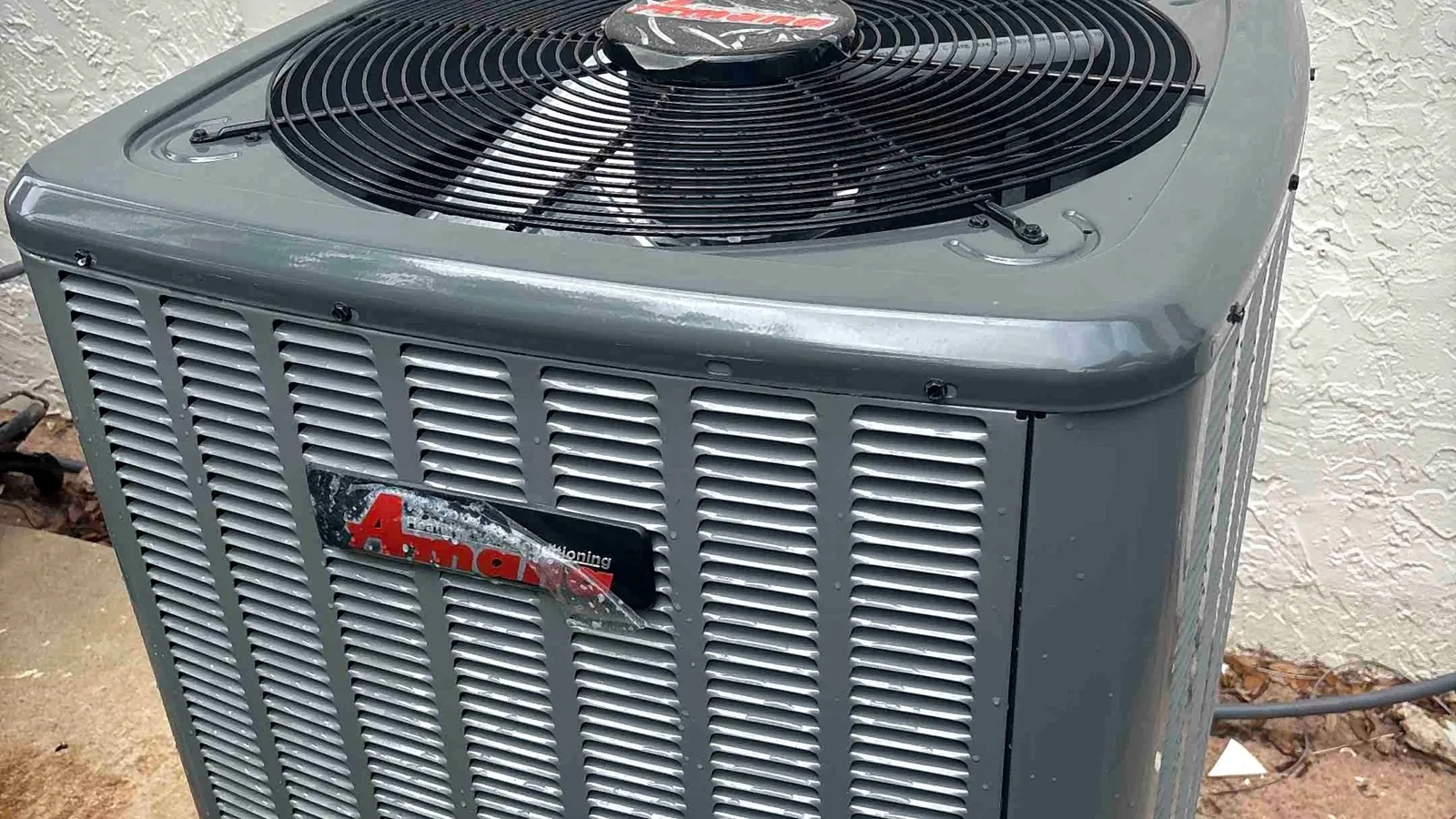
A visual inspection from a safe distance, before anything else. Walk out and look at the outdoor unit without touching it: is it still sitting upright and secured to its pad, is there visible debris jammed in the fins or fan, and is there any standing water at or above the base of the unit. If a power line came down anywhere near the unit, do not approach it at all until the utility company has confirmed the area is safe.
Water is the detail that changes everything
Standing water that reached the unit's electrical components, the disconnect box, the contactor, the wiring compartment, means the system should not be started until it has dried out and been checked, because energizing wet electrical parts risks a short, a fire, or destroying the compressor. A unit that simply got rained on from above, with no standing water at the base, is a much lower-risk situation.
Look, wait, then start, in that order, every time, after a storm.
United A/C & RefrigerationIs it safe to just flip the breaker back on right away?
Not immediately, and not without checking the indoor side too. Before restoring power to the system, check the indoor air handler, often in a closet, garage, or attic, for the same signs: standing water, obvious water staining from a roof leak, or debris. An attic air handler is worth a careful look after any storm with heavy rain, since roof damage that let water in is not always visible from inside the living space.
Give the system a short wait once power is back
If both the indoor and outdoor equipment look dry and undamaged, wait a short period, even fifteen to thirty minutes, after power is fully restored before switching the system on, rather than restarting the instant the lights come back. This gives the electrical grid a moment to stabilize past the initial reconnection, when voltage is often uneven, and reduces the load a fluctuating restart puts on the compressor.
What order should I actually turn things back on in?
Reset the breakers first, then the thermostat, then listen rather than walk away. Turn the air handler and outdoor unit breakers back on one at a time rather than together, and set the thermostat to COOL at a normal temperature. Stay nearby for the first cycle rather than setting it and leaving the house.
What a normal restart sounds and looks like
The indoor fan should start smoothly, and within a short delay the outdoor unit's fan and compressor should engage together, a hum followed by the fan spinning up. A breaker that trips immediately, a unit that hums without the fan turning, or a burning smell from either the indoor or outdoor equipment are all reasons to shut the system back off rather than try again; repeated resets after an abnormal start risk turning a fixable issue into a failed compressor. A qualified repair visit at that point is the safer and ultimately cheaper path.
What if I am not sure whether the system is safe to restart?
If there is any uncertainty, water reached the outdoor unit, the system was running or connected to a generator during the worst of the storm, or anything about the equipment looks different than it did before, the safer move is to leave the breakers off and have a technician check it before you attempt a restart yourself. This is especially true if the outdoor unit sat in or near standing floodwater at any point, since water intrusion into the compressor or electrical components is not always visible or dry to the touch even when it looks fine from outside.
A short wait costs nothing
An air conditioner that stays off for an extra day while it gets inspected is a minor inconvenience. A compressor pushed to start after real water intrusion is often an expensive, unnecessary failure. When the visible signs are ambiguous, waiting for a professional look is the cheaper choice in nearly every case.
How soon can a technician usually get out after a storm?
It depends heavily on the storm's size and how many homes were affected, and it is worth being honest about that rather than promising a specific timeline. A localized event with scattered damage usually allows for a normal or slightly extended response time. A widespread hurricane that affects the whole region strains every local company's capacity at once, and response times stretch out industry-wide, not because any one company is slow but because demand spikes everywhere simultaneously.
What helps while you wait
Keeping the system off rather than repeatedly trying to restart it does not make it worse, and it protects the equipment from further stress in the meantime. Describing exactly what you observed, standing water, a smell, a breaker that would not hold, when you do reach a technician helps them prioritize and prepare for what the visit will likely need.
What a post-storm restart looks like across the region
After a significant storm, the pattern across Broward and southern Palm Beach is fairly consistent: inland neighborhoods a few miles from the water often see power, and with it safe restart conditions, return a little sooner than the immediate coast and the barrier island, where flooding and storm surge are more likely to have reached outdoor equipment directly. Older mid-century homes, many with outdoor units set low to the ground on an original pad, are more exposed to standing water during heavy rain events than newer installations raised on taller stands, which is one of the more overlooked differences in how two nearby homes fare from the same storm. Master-planned and gated communities sometimes add their own layer to the timeline, since a technician has to clear community access on top of everything else in the aftermath of a storm, which is worth keeping in mind when estimating how quickly a visit can happen. None of this changes the restart sequence itself, inspect, wait, then start carefully, but it does explain why one neighbor's system might be back up hours before another's, even after the same storm.
Serving Broward County and southern Palm Beach County from our shop in Deerfield Beach.
Questions and answers
How long should I wait after power comes back before turning on the AC?
A short deliberate pause, on the order of fifteen to thirty minutes, is a reasonable rule of thumb, giving the electrical grid a moment to stabilize after reconnection. There is no strict rule requiring hours, but restarting the instant the lights flicker back on adds unnecessary stress to the compressor during a period when voltage is often still uneven.
The outdoor unit looks fine but got rained on hard. Is that a problem?
Rain alone, without standing water reaching the base or the electrical compartment, is not usually a problem; outdoor units are built to handle normal rainfall. The concern is specifically standing water that submerges or nearly submerges the unit's base, which is a different situation than heavy rain running off a properly elevated unit.
My breaker will not stay reset after the storm. What does that mean?
A breaker that trips immediately when reset is protecting you from an active electrical fault, most likely water intrusion or storm damage to the system's wiring or components. Do not keep resetting it; that risks worse damage. It is a clear signal to have a technician check the system before power is restored to it.
Can I run my AC on a portable generator right after the storm?
It depends on the generator's capacity and how it is connected, and getting it wrong risks damaging the compressor. This is worth understanding fully before doing it, since an underpowered or improperly connected generator is a common source of storm-related AC damage separate from the storm itself.
Is it normal for the AC to smell different on the first restart after a storm?
A faint dusty smell as the system clears stagnant air after being off is common and not a concern. A strong burning, electrical, or musty mildew smell is not normal and means shut the system back off and have it inspected rather than continuing to run it.
What should I tell the technician when I call after a storm?
What you observed during your visual check, whether water reached the unit, whether a breaker tripped or would not hold, any smell, and roughly how long the system has been off, helps a technician understand what the visit likely needs before they even arrive, which matters more than usual when appointment demand is high after a regional storm.
How we know this
This advice comes from what our technicians actually find on service calls in Broward County and southern Palm Beach — not from national HVAC copy. Salt-air corrosion on the barrier island, drain lines that block every wet season, and equipment running nine months a year are local realities, and they change the right answer.
Worth disclosing: we install Amana equipment, so we are not an independent reviewer. Where a brand or product is discussed we say what it is good and bad at, and we will tell you when the honest answer is to repair what you have or do nothing yet.
Talk to a technician
Have a question this raised? The assistant answers what it can, takes your details, and hands you to a real person who confirms the day and time.