
Hurricane season, month by month, for your AC
Florida's hurricane season runs June through November, and each stretch of it calls for something different from a cooling system. This walks the calendar month by month, from pre-season checks to the first weeks after the season ends.
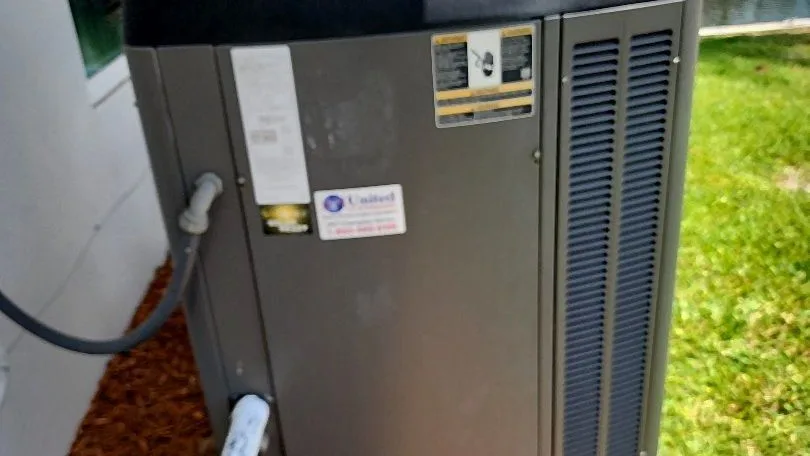
What should I check before hurricane season starts in June?
Hurricane season in Florida runs from June 1 through November 30, six months during which a named storm can affect any part of the state with only a few days of warning. An air conditioner is not the first thing on most storm checklists, but it is one of the pieces of the house most exposed to wind, debris, and flooding, and it is also one of the first things a family needs working again once the storm has passed. Spreading a handful of simple steps across the calendar, rather than scrambling in the final hours before a storm, is what actually keeps a system safe and gets it back online fast.
Before the season starts is the time for a full inspection, not a repair scramble. Late May, ahead of the June 1 start date, is the ideal window to schedule a maintenance visit that checks the outdoor unit's mounting, the condition of its electrical connections, and general system health while appointment availability is still open. A system that is already struggling going into hurricane season is far more likely to fail outright when a storm adds wind, debris, and a power interruption on top of ordinary wear.
What the pre-season check should cover
Confirm the outdoor unit is still securely mounted to its pad and that any tie-down strap or hurricane anchor is intact rather than corroded or loose; units near the coast corrode faster and are worth a closer look. Clear anything nearby that could become airborne debris, and confirm the disconnect box and breaker are in good condition, since these are the parts most likely to fail from a power surge later in the season.
The best time to prepare an air conditioner for a hurricane is the month before one is ever named.
United A/C & RefrigerationWhat changes once hurricane season is officially underway?
Once June arrives, the routine shifts from a one-time inspection to ongoing awareness, since any week from here forward can bring a storm. Keep the area around the outdoor unit clear as a habit rather than a pre-storm scramble. Patio furniture, potted plants, and loose yard debris are the most common sources of impact damage to a condenser during even a moderate storm, and clearing them takes minutes when done regularly rather than in a rush.
A light early-season check is worth the ten minutes
July and early August tend to bring the season's first close calls even when landfall misses South Florida entirely, so it is a reasonable point to glance at the outdoor unit after any heavy wind event. Loose panels, debris caught in the fins, or a strap that has shifted are easy to catch early and inexpensive to fix, compared with discovering the same issue during an actual hurricane warning.
What should I do differently once a storm is actually being tracked toward Florida?
Statistically, the heart of the season, roughly mid-August through October, is when a storm is most likely to be tracking toward Florida, and that is the point to move from routine awareness to active preparation as soon as a system enters the forecast cone. This does not mean panic at every tropical wave; it means having your steps ready so that a watch or warning does not catch you unprepared.
What to do once a storm enters the forecast
Confirm the outdoor unit's tie-downs are secure, take photographs of the system for insurance purposes before any weather arrives, and identify where you will shut off power to the system if evacuation or an extended outage becomes likely. If the home has a whole-house or dedicated surge protector for the AC's electrical circuit, confirm it is in place; a hurricane's power grid disruptions bring surges and brownouts along with the wind, and those affect the compressor and control board more often than the storm's physical force does.
What can I do in the final day or two before landfall?
In the final day or two before landfall, the goal is simply to remove anything that could become a projectile and to put the system in a safe state rather than attempt any repair. Secure or bring in anything near the outdoor unit that has not already been cleared, and if a mandatory evacuation or an extended power outage is expected, shut the system off at the breaker rather than leaving it running through the worst of the wind and any power fluctuations that come with it.
Do not try to protect the unit with makeshift covers
Wrapping or boxing the outdoor unit is a common instinct that usually does more harm than good; it traps moisture against the coil and electrical components and can make corrosion and mildew worse than simply leaving the unit exposed and properly secured. The tie-down and a clear surrounding area do the actual protective work.
What happens once hurricane season winds down in November?
By late November, most of the season's storm activity has passed, and it is a reasonable point to do a final look at anything the season stressed: a strap that loosened during a close call, a panel that never quite seated back correctly after an inspection, or a system that ran through a brownout and has not been quite right since. Catching those now, in the calm months, is easier than catching them next June.
It is also a good time to reassess what worked. If reaching the breaker box was awkward, if the tie-down straps were hard to find, or if you were not confident diagnosing storm-related damage on your own, those are worth solving during the off-season rather than relearning them under pressure next year, whether that means a repair visit now or simply a clearer plan for next season.
Hurricane season is a longer, more active stretch here than the calendar suggests
South Florida sits in the part of the state most directly exposed to Atlantic and Gulf storm tracks, and Broward and southern Palm Beach see tropical systems and their outer effects, heavy wind, flooding rain, power disruption, more often than a direct hurricane strike alone would suggest. Homes closer to the coast and the intracoastal deal with saltier air pushed inland by storm winds on top of the wind itself, which is one more reason coastal condensers benefit from the pre-season and post-storm checks described above more than an inland system does. The dense tree canopy in many established neighborhoods, especially older mid-century communities inland from the beach, adds its own debris risk during even a moderate wind event, while newer master-planned communities tend to have younger, more storm-resistant landscaping around outdoor units. None of this changes the basic timeline: prepare in May, stay alert through the peak months, act in the final hours, reassess after. But it does mean the season is worth taking seriously here even in years when no storm makes a direct hit.
Serving Broward County and southern Palm Beach County from our shop in Deerfield Beach.
Questions and answers
Should I turn off my AC before a hurricane?
If a mandatory evacuation or an extended outage is expected, yes; shut the system off at the breaker rather than leaving it running through severe wind and the power fluctuations that come with a storm. If the storm is expected to bring only rain and moderate wind with power staying on, running the system normally is fine.
Do I need to cover my outdoor AC unit before a storm?
No, and doing so usually causes more harm than good. Wrapping or boxing the unit traps moisture against the coil and electrical parts, which promotes corrosion and mildew. A secure tie-down and a debris-free area around the unit protect it far better than a cover does.
How early should I schedule a pre-hurricane-season AC check?
May, before the season officially starts on June 1, is the ideal window, both because the system benefits from being checked before months of heavy summer use and because appointment availability tends to tighten as storms start appearing on the forecast.
What actually damages an AC system most during a hurricane?
Wind-driven debris striking the outdoor unit and electrical surges or brownouts from grid disruption cause more damage in practice than the storm's direct force on a properly secured unit. That is why clearing debris nearby and having surge protection in place matter as much as the tie-down itself.
Is a whole-house surge protector worth it for hurricane season?
For a home in a storm-prone area, yes. It is a reasonable, one-time step that protects the compressor and control board from the surges and brownouts that accompany power restoration after a storm, which are a common source of post-storm AC failures that have nothing to do with wind damage.
What should I do first when checking my AC after hurricane season ends?
Look at the outdoor unit for anything the season's storms may have loosened or shifted, even without an obvious close call, since minor issues are easier to catch and fix in the calm months. If anything seems off, a normal maintenance visit before next season begins is the simplest way to confirm.
How we know this
This advice comes from what our technicians actually find on service calls in Broward County and southern Palm Beach — not from national HVAC copy. Salt-air corrosion on the barrier island, drain lines that block every wet season, and equipment running nine months a year are local realities, and they change the right answer.
Worth disclosing: we install Amana equipment, so we are not an independent reviewer. Where a brand or product is discussed we say what it is good and bad at, and we will tell you when the honest answer is to repair what you have or do nothing yet.
Talk to a technician
Have a question this raised? The assistant answers what it can, takes your details, and hands you to a real person who confirms the day and time.