
Surge protection for HVAC equipment
Florida sees more lightning than any other state, and every strike near a power line is a potential surge headed straight for the most expensive electronics in the house. Here is what a surge actually does to an air conditioner and where real protection belongs.
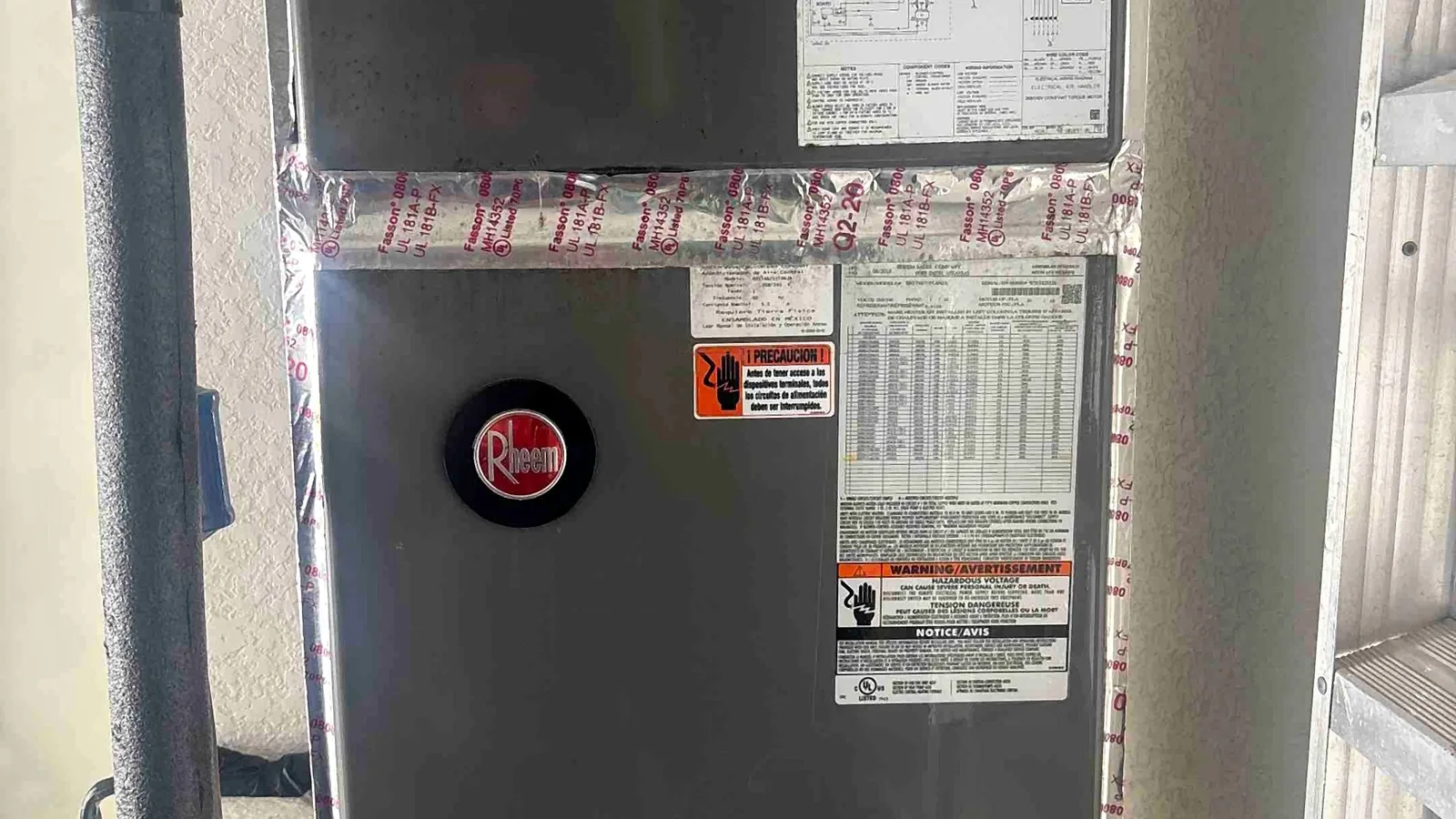
Why does HVAC equipment need surge protection in Florida?
A summer thunderstorm rolling through South Florida is background noise to most of us, but every strike near the power grid sends a jolt of voltage down the line that has nowhere better to go than through whatever is plugged in or wired to it. An air conditioner, with a compressor and a circuit board sitting right at the end of that line, is squarely in the path. Surge protection is one of the least glamorous parts of owning a cooling system here, and also one of the more genuinely useful ones, given how routinely this state gets hit compared to almost anywhere else in the country.
Florida experiences more lightning activity than any other state, and the frequency of strikes near homes and the power grid makes voltage surges a routine event here rather than a freak occurrence. A strike does not need to hit a house directly to cause damage; a nearby strike on the grid, a utility pole, or even a large tree can send a surge down the line into every connected appliance in the house.
The outdoor unit is exposed on two sides
The condenser sits outside, wired directly into the electrical system, and it is also often the single most electronically sensitive major appliance in the house next to major electronics. That combination of outdoor exposure and electronic sensitivity is exactly the profile of equipment that benefits most from dedicated protection, more so than something like a refrigerator that has fewer sensitive control components.
It is not only about direct lightning strikes
Grid-side surges from utility switching, nearby industrial equipment, or storm-related grid instability also happen and can be just as damaging as a lightning-related surge, which is part of why surge protection is worth thinking about as ongoing weather-season insurance rather than a reaction to any single storm.
The outdoor unit sits exposed on two sides at once — outside in the weather and wired directly into the grid — which is exactly the profile of equipment that benefits most from dedicated protection.
United A/C & RefrigerationWhat actually happens to a system during a power surge?
A surge sends a spike of voltage well beyond what the equipment is built to handle, and the components most vulnerable to that spike are the electronic ones: the control board that manages the system's operation and, in many modern systems, electronics tied to the compressor itself.
The control board is often the first casualty
Circuit boards are comparatively delicate and sit at the center of how a modern system starts, monitors itself, and runs its safety features. A surge that fries the board can leave a system completely unresponsive, or cause erratic, hard-to-diagnose behavior that looks like a different problem entirely until a technician traces it back to fried electronics.
The compressor carries the highest cost of failure
The compressor is the most expensive single component in the outdoor unit, and while it is somewhat more robust electrically than a circuit board, a severe or repeated surge can still damage its windings or the electronics that protect it. Because the compressor is also the hardest part to replace independent of the rest of the unit, protecting it indirectly by protecting the electronics around it is a meaningful part of what surge protection is actually buying you.
Where does surge protection actually go on an AC system?
There are two layers worth understanding, and they serve different purposes. A whole-house surge protector installs at the main electrical panel and catches large surges before they spread through the home's wiring to every outlet and appliance, which is a sound first line of defense for the house in general.
Why that alone is often not enough for HVAC
A panel-level device is a generalist, protecting everything downstream to some degree, but the distance between the panel and the outdoor condenser means some of a surge's energy can still reach the unit, and a whole-house device is typically sized to handle the aggregate risk to the whole home rather than to give any single appliance dedicated, close protection.
Dedicated protection at the unit
A surge protector installed specifically at the outdoor disconnect, right where power enters the condenser, adds a second, closer layer aimed directly at the equipment most exposed and most expensive to repair. Layering the two, a whole-house device at the panel and a dedicated device at the unit, is the approach that actually reflects how surges travel and where the most sensitive electronics sit, and it is a conversation worth having during a maintenance visit rather than only after a storm has already caused damage.
Can a power outage or brownout damage my AC the same way a surge does?
Yes, though through a different mechanism. When power returns after an outage, or fluctuates during a brownout, the sudden restart can put a demanding electrical load on the compressor at a moment when the system was not gracefully shut down and restarted in the normal sequence. This restart current spike is a real, if different, stress on the equipment.
Many modern systems include a built-in delay that holds the compressor off for a short period after power is restored, specifically to avoid this kind of stress, and it is worth confirming your system has that protection, particularly if you are in an area that sees frequent brief outages during storm season. A whole-house or point-of-use surge device does not directly address this restart issue the way it addresses a voltage spike, so the two are worth thinking of as related but separate risks that both come from the same stormy weather.
Is my system protected if my house already has a whole-home surge protector?
Partially, and it is worth being honest about the gap rather than assuming one device covers everything. A whole-house protector is a genuinely useful piece of equipment and stops a meaningful share of surge energy before it spreads through the home's wiring, but it is one device protecting an entire house full of appliances and electronics, sized and positioned for that broader job rather than dedicated specifically to the outdoor condenser.
The honest way to think about it is layered defense rather than a single solution: the whole-house device reduces the overall risk to everything in the home, and a dedicated device at the AC unit adds protection specifically where the most exposed and most expensive electronics actually sit. If you already have a whole-house protector, adding equipment-level protection is a reasonable next step rather than a redundant one, and if you have neither, it is worth discussing which makes sense to start with given your home's specific exposure and electrical setup.
Why this matters more here than almost anywhere else
Florida is regularly cited as the most lightning-prone state in the country, and the stretch of coast from Broward through southern Palm Beach sits squarely in that pattern, particularly through the long summer storm season when afternoon thunderstorms are a near-daily occurrence. That frequency changes the math on surge protection here compared with a region that might see a handful of serious storms a year. It also means the cooling system, which already runs harder and longer here than almost anywhere else in the country, is exposed to surge risk during exactly the months it is working the hardest and can least afford downtime. Older neighborhoods with above-ground utility lines tend to see somewhat more exposure to storm-related grid disturbances than areas with buried lines, though no home connected to the grid is fully insulated from the risk. None of this means every storm is a threat to the system, but across a full South Florida storm season, the odds of at least one meaningful surge event reaching a home's electrical system are real enough that dedicated protection for the most exposed, most expensive piece of equipment in the house is a genuinely practical precaution rather than an overcautious one.
Serving Broward County and southern Palm Beach County from our shop in Deerfield Beach.
Questions and answers
Does homeowners insurance cover lightning damage to my AC?
Many policies do cover storm and lightning damage to home systems, but coverage terms, deductibles, and what counts as a covered event vary by policy and insurer. This is a question worth confirming directly with your insurance provider rather than assuming, since surge protection is a prevention measure regardless of what a policy would eventually reimburse.
Will a whole-house surge protector alone protect my AC unit?
It provides meaningful protection but not complete protection for the outdoor condenser specifically. A whole-house device at the panel reduces surge energy spreading through the home's wiring in general, while a dedicated device installed at the outdoor unit adds a closer, second layer aimed directly at the most exposed and most expensive equipment. Layering both is the more thorough approach.
How do I know if my AC was damaged by a surge versus a normal failure?
A system that stopped working suddenly during or right after a storm, especially with no prior warning signs, points more toward a surge than gradual wear. A technician can inspect the control board and electronics for the specific signs of surge damage, such as burn marks or failed components, which look different from the wear patterns of a part that simply reached the end of its life.
Can a power outage damage my AC even without a lightning strike?
Yes, through a different mechanism than a voltage surge. When power returns after an outage, the sudden restart can put a demanding load on the compressor if the system does not have a built-in restart delay. This is a separate risk from surge damage but comes from the same storm conditions, and it is worth confirming your system has restart protection.
Is surge protection something I can add to an existing AC system?
Yes, a dedicated surge protection device can typically be added to an existing outdoor unit at the disconnect without needing to replace the system itself. It is a reasonable add-on for an otherwise healthy system, particularly ahead of storm season, and worth bringing up during a maintenance visit rather than treating as something only relevant when installing new equipment.
Does a newer, more electronic AC system need more surge protection than an older one?
Generally yes, because modern systems rely more heavily on circuit boards and electronic controls for efficiency and diagnostics, which gives a surge more sensitive components to damage compared with older, simpler equipment. This does not mean older systems are immune, but the case for dedicated surge protection is even stronger on newer, more electronically sophisticated equipment.
How we know this
This advice comes from what our technicians actually find on service calls in Broward County and southern Palm Beach — not from national HVAC copy. Salt-air corrosion on the barrier island, drain lines that block every wet season, and equipment running nine months a year are local realities, and they change the right answer.
Worth disclosing: we install Amana equipment, so we are not an independent reviewer. Where a brand or product is discussed we say what it is good and bad at, and we will tell you when the honest answer is to repair what you have or do nothing yet.
Talk to a technician
Have a question this raised? The assistant answers what it can, takes your details, and hands you to a real person who confirms the day and time.