
How power outages damage an AC compressor
It is not always the storm itself that takes out a compressor. Often it is the power coming back on unevenly, or a generator connected the wrong way. This walks through how outages actually damage cooling equipment, and how to avoid adding to it.
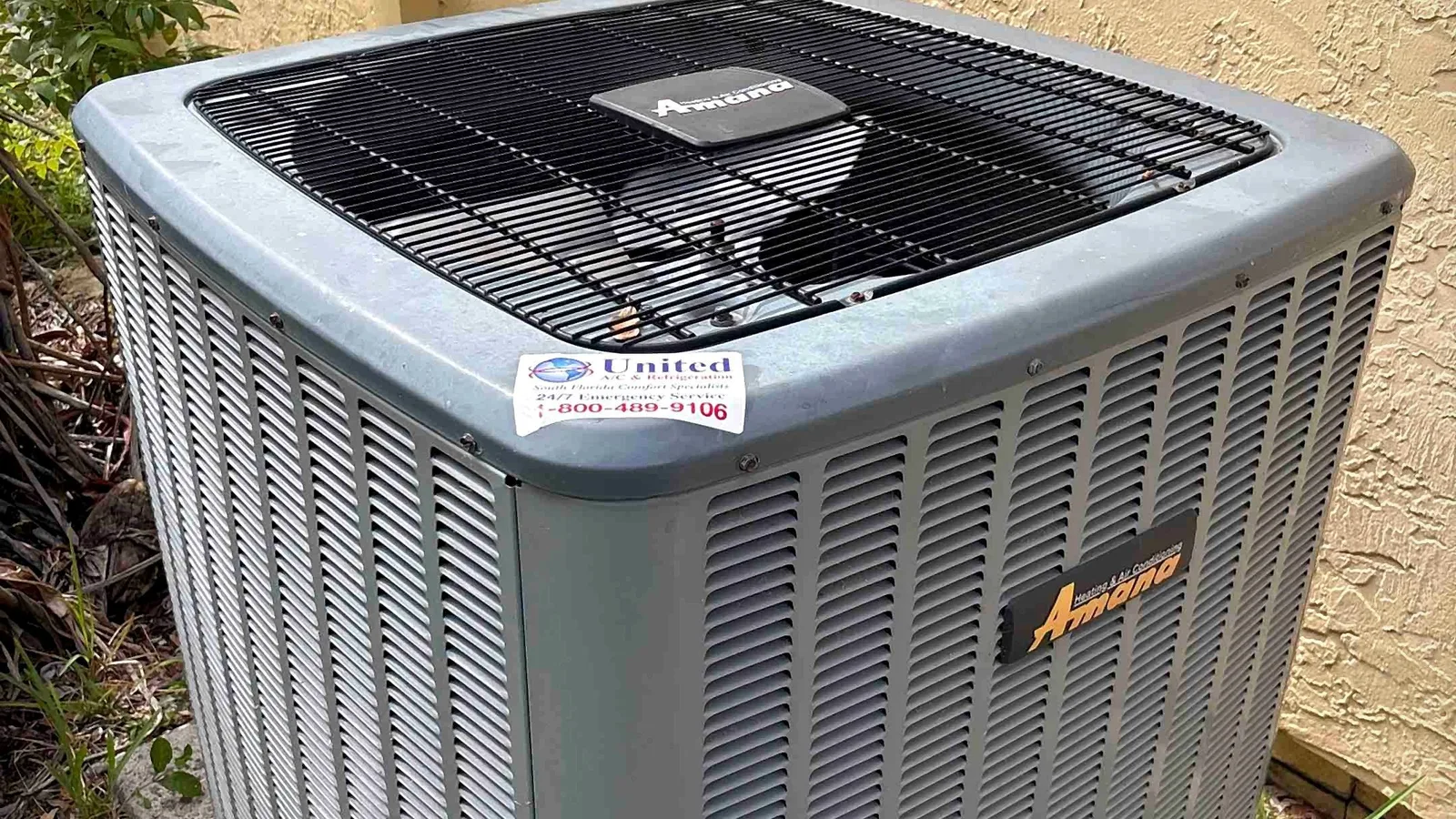
Why does a power outage damage a compressor that never lost power to anything else?
An air conditioner rarely fails during a power outage itself; there is nothing for the storm or the grid to damage while the system sits without power. The damage more often happens in the moments around the outage: a voltage spike as the grid comes back unevenly, a brownout that leaves the compressor trying to run on too little power, or a generator connected in a way it was never designed for. Understanding that distinction changes what actually protects the equipment, and it is usually simpler and cheaper than most homeowners assume.
Because the compressor is the single largest electrical load in the house, and it is unusually sensitive to how power arrives, not just whether it is present. A compressor motor draws a heavy surge of current the instant it starts, and it is engineered around receiving clean, stable voltage to do that safely. Grid power coming back after an outage is often uneven for the first several minutes, voltage climbing, dipping, and spiking as utility equipment reconnects circuit by circuit, and a compressor that tries to start into that instability is under real electrical stress that a lamp or a refrigerator simply does not experience the same way.
Brownouts are just as damaging as surges
A brownout, where voltage sags below normal rather than spiking above it, is just as hard on a compressor as a surge. Low voltage forces the motor to draw more current to do the same work, which generates excess heat in the windings. This is a slower, quieter kind of damage than a surge, but it shortens compressor life just as effectively.
It is rarely the outage that kills a compressor; it is the moment the power comes back.
United A/C & RefrigerationDoes waiting before restarting the AC actually protect it?
Yes, and it is one of the simplest protective steps available. Waiting fifteen to thirty minutes after power is confirmed stable, rather than restarting the moment the lights come back on, lets the grid settle past its initial reconnection instability and reduces the odds of the compressor starting into a spike or a sag.
This matters even for a brief, ordinary outage
It is tempting to treat this rule as something that only applies after a major storm, but the same voltage instability happens, on a smaller scale, after an ordinary afternoon outage too. Making the short wait a habit rather than a special hurricane-only step protects the compressor across every outage, not just the dramatic ones, and it costs nothing but a few minutes.
What does a whole-house or dedicated surge protector actually do?
It absorbs the sudden voltage spike before it reaches sensitive equipment like the compressor's motor and the system's control board, redirecting the excess rather than letting it pass through to the components it would otherwise damage. Installed at the electrical panel or as a dedicated device on the AC circuit, it is a modest, one-time addition that protects against exactly the kind of grid-reconnection spikes and lightning-related surges that account for a meaningful share of the compressor and control board failures that have nothing to do with the outage's cause.
It does not protect against everything
A surge protector is not a substitute for the restart wait described above, and it does not protect against a genuinely undersized or miswired generator connection, which is a different failure mode entirely. It is one layer of protection among a few, not a single fix for every power-related risk to the system.
What goes wrong when an AC is run on a generator?
Most commonly, the generator is undersized for the compressor's startup surge, or it is connected in a way that was never intended to power large motor loads safely. A compressor needs a meaningful jolt of power just to start, well above what it draws once running, and a generator sized only for the running load, or one connected through an improvised extension cord setup rather than a proper transfer switch, can deliver unstable power that damages the compressor on the very first start attempt.
What a safe generator setup actually requires
Running central AC safely from a generator means a generator sized with the compressor's startup surge in mind, connected through a properly installed transfer switch rather than any makeshift wiring, and ideally paired with the same restart wait and surge protection described above. If you are not confident the generator setup meets those conditions, it is safer to leave the AC off during generator use rather than risk the compressor to find out.
How do I know if the compressor was already damaged by an outage?
The signs show up at restart, and they are worth taking seriously rather than trying again. A compressor that hums but does not start, a breaker that trips as soon as the system is switched on, a system that runs but cools noticeably weaker than before, or an outdoor unit that cycles on and off rapidly all point at outage-related electrical damage rather than a coincidence.
Repeated restart attempts make it worse
Trying the same restart again after any of those signs does not give the system another chance. It adds another damaging start attempt to a compressor that is already struggling, and can turn a repairable issue into a failed compressor. At that point, a technician visit to assess the actual damage is the right next step rather than continuing to cycle the breaker.
Power outages are simply more frequent here than in most of the country
Between seasonal storms, the isolated afternoon thunderstorms that roll through nearly every summer day, and a grid working under some of the heaviest cooling load in the country during peak months, homes across Broward and southern Palm Beach see more outages and brownouts over a year than most homeowners elsewhere ever experience. That frequency is exactly why generator ownership is common here in a way it is not in milder climates, and why a rushed or improvised generator connection shows up in compressor failures more often locally than it might in a region where a generator is a once-a-decade purchase rather than a standing part of storm season. Older neighborhoods with aging local infrastructure sometimes see rougher power restoration, more voltage swing during reconnection, than newer developments on more recently upgraded feeder lines, though this varies block by block rather than by any broad pattern worth generalizing. Given how often the grid here asks a compressor to weather a restart, the handful of protective habits above are less an occasional precaution and more a routine part of owning cooling equipment in this part of Florida.
Serving Broward County and southern Palm Beach County from our shop in Deerfield Beach.
Questions and answers
How long should I leave my AC off after a power outage?
A short deliberate wait of fifteen to thirty minutes after power is confirmed stable is a reasonable habit, whether the outage lasted five minutes or five hours. The point is letting the grid settle past its initial reconnection instability, not waiting out a fixed clock tied to the outage's length.
Is it normal for the AC to trip the breaker once after an outage?
A single trip that resets cleanly and holds is not unusual and does not necessarily mean damage occurred. A breaker that trips repeatedly, or trips again the moment it is reset, is a different situation and means stop resetting it and have the system checked rather than continuing to try.
Do I need a whole-house surge protector, or is one at the AC enough?
Either offers real protection, and a whole-house unit at the panel covers every appliance rather than just the AC, which is generally the better value if you are protecting the whole home anyway. A dedicated unit at the AC disconnect is a reasonable, smaller step if that is the priority.
Can I run my central AC on a portable generator during an outage?
Only if the generator is sized for the compressor's startup surge, not just its running load, and connected through a properly installed transfer switch rather than any improvised wiring. If you are unsure whether your setup meets that, it is safer to leave the AC off during generator use than to risk the compressor.
What is the difference between a surge and a brownout, and does it matter which one damaged my system?
A surge is a spike above normal voltage; a brownout is a sag below it, and both stress a compressor, just through different mechanisms. A surge pushes excess voltage through components, a brownout forces the motor to draw more current to compensate. For a homeowner, the practical difference matters less than the outcome: either can damage the compressor, and the same protective habits guard against both.
My AC seems weaker since the last outage. Could that be related?
It is worth considering, particularly if the weakness started right around an outage rather than gradually over time. Reduced cooling after an outage can point at compressor stress from an uneven restart, and it is a reasonable thing to mention to a technician rather than assume is unrelated coincidence.
How we know this
This advice comes from what our technicians actually find on service calls in Broward County and southern Palm Beach — not from national HVAC copy. Salt-air corrosion on the barrier island, drain lines that block every wet season, and equipment running nine months a year are local realities, and they change the right answer.
Worth disclosing: we install Amana equipment, so we are not an independent reviewer. Where a brand or product is discussed we say what it is good and bad at, and we will tell you when the honest answer is to repair what you have or do nothing yet.
Talk to a technician
Have a question this raised? The assistant answers what it can, takes your details, and hands you to a real person who confirms the day and time.