
Getting a second opinion on an AC quote
Being told your system needs a costly repair or a full replacement is unsettling, especially if it comes fast and with pressure to decide today. Here is when a second opinion is worth getting, and how to use it well.
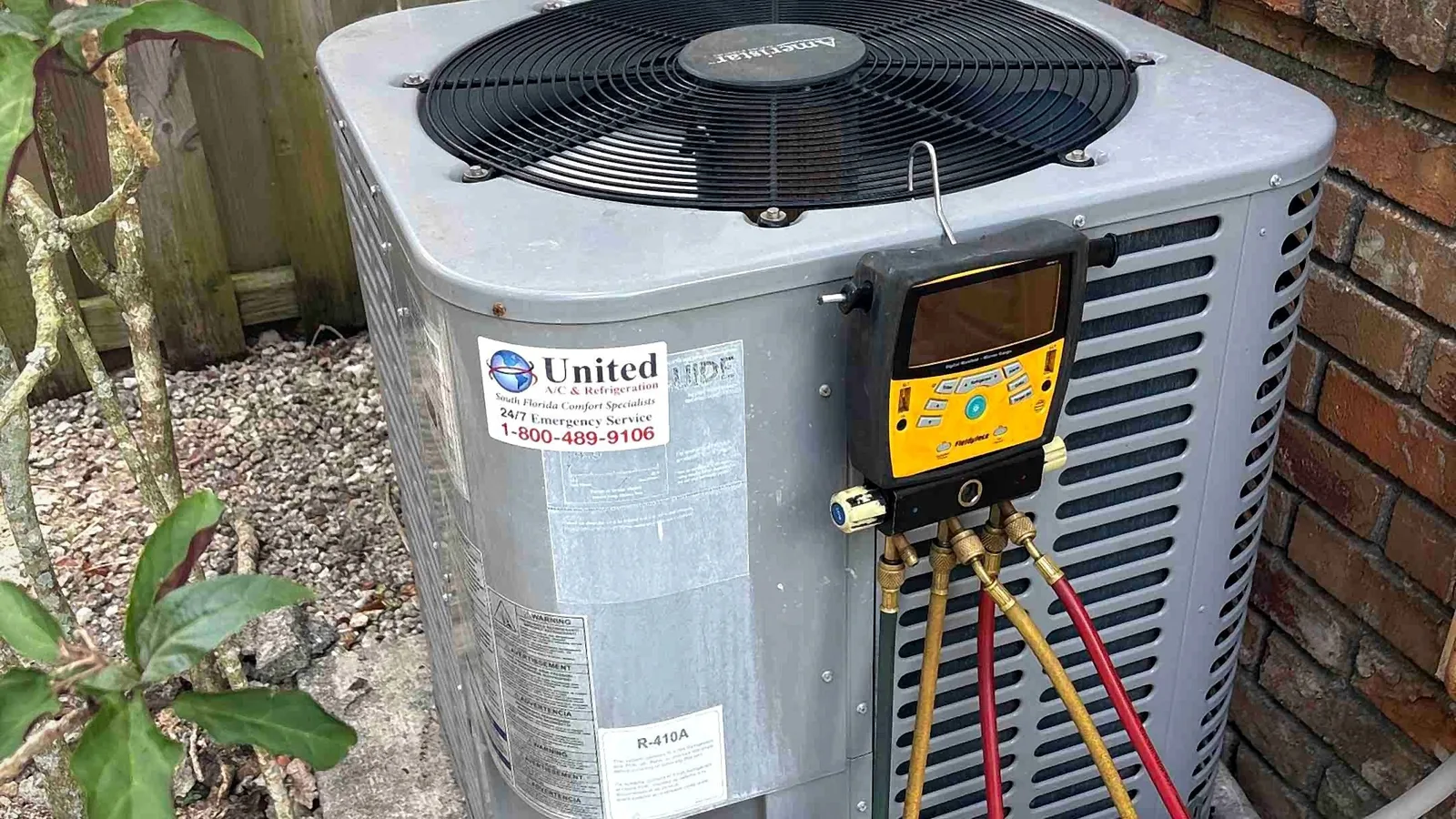
When is a second opinion actually worth getting?
A technician looks at your air conditioner and tells you it needs a major repair, or that it should be replaced altogether. It might be true — plenty of systems genuinely reach that point — but the moment the recommendation lands, especially with urgency attached to decide right now, is exactly when a second opinion earns its keep. Getting one isn't about doubting every technician's honesty. It's about making sure a significant decision rests on a diagnosis you actually understand, and that a second set of eyes has had a fair chance to confirm or challenge it before money changes hands.
Reserve it for decisions large enough to justify the extra step: a compressor failure, a full system replacement recommendation, especially on equipment that isn't particularly old. It's also worth getting when the diagnosis wasn't clearly explained, conflicts with what you already know about the system's history, or arrives bundled with pressure to sign the same day. A small, inexpensive repair — a capacitor, a contactor — rarely needs a second visit. The effort of getting a second opinion should be proportional to the size of the decision in front of you.
A second opinion isn't about doubting a technician's honesty — it's about making sure a major decision rests on a diagnosis you understand.
United A/C & RefrigerationWhat should a second opinion actually check?
It's strongest when it's verifying a specific, documented claim rather than starting from nothing.
Ask for the actual finding, not just the conclusion
Have the first company name the exact failed part or the specific reading — a pressure, an amp draw, a visible defect — behind their recommendation. A second technician can then confirm or dispute that specific finding directly, which is a far more useful exercise than a blind re-diagnosis.
Get it in writing
Ask for the diagnosis in writing before you leave the first appointment, so there's something concrete to bring to a second company rather than a memory of what you were told.
What separates a fair quote from a red flag?
A fair quote breaks down what's being replaced and why, rather than offering a vague "system failure, needs full replacement." It should let you see the failed part. A second opinion that agrees on the core problem, even if the recommended approach differs slightly, is a good sign; wildly different diagnoses deserve more digging. One nuance worth knowing: aging refrigerant types can be a genuine factor in an honest replacement conversation, but it shouldn't be the sole, scare-driven reason given without real explanation — ask what specifically about your refrigerant type matters for your situation, and whether a repair using currently available refrigerant is genuinely still an option before assuming it isn't.
How do I ask for a second opinion without it being awkward?
Just say it plainly: "I'd like a second look before a repair this size — here's what the first company found." Any reputable company should welcome that without defensiveness. It's also fine to be upfront with the first company about wanting one; most professionals doing major work expect it, and some even suggest it themselves when the decision is large.
What if the two opinions disagree?
That doesn't automatically mean one company is being dishonest. Repair-versus-replace calls, especially on a borderline or aging system, can genuinely be judged differently by two honest technicians. Ask each to explain specifically why they landed where they did, and compare the explanations against the actual documented findings from the first visit. A third opinion is reasonable if the gap is large and the decision matters. In the end, weigh the reasoning behind each answer, not just which company or number feels more familiar — and if you'd rather talk it through, this is exactly the kind of judgment call the assistant can help you sort.
Does asking for a second opinion delay the repair too long?
Usually not by much, and it's rarely the wrong trade to make on a decision of this size. A second visit typically takes a day or two to arrange, which is a small delay against the size of a full system replacement or a major component repair. The exception is a genuine safety issue — active water damage, an electrical hazard, no cooling at all for a household with a vulnerable resident in dangerous heat — where the urgency of the situation may reasonably outweigh the value of waiting for a second look. For most repair-versus-replace decisions, though, the system will hold for the day or two a second opinion takes.
Why repair-versus-replace calls are especially close in South Florida
Systems here run so many hours a year that borderline calls come up more often than they would in a milder climate, and the reasoning behind them is more nuanced than a blanket rule can capture. Salt-air corrosion near the coast can shorten a component's life in ways that look different on paper than an identical part inland. The age and condition of the housing stock matters too — a mid-century home with original ductwork or electrical presents different considerations than newer construction, and Broward and southern Palm Beach permitting requirements for a full replacement can differ enough to shift the practical timeline. A system well past a decade old, sitting close to the water, reasonably invites a replacement conversation, but that's still a judgment call specific to the equipment and the home in front of you, not a rule that applies the same way to every address. Two technicians looking at the same system can reasonably weigh its remaining life differently depending on how much of that context they actually gathered before writing up a recommendation, which is one more reason a second, independent look is worth the extra step on anything major.
Serving Broward County and southern Palm Beach County from our shop in Deerfield Beach.
Questions and answers
Is it rude to ask for a second opinion on an AC quote?
No, and any reputable company expects it for major work. Asking doesn't insult the first technician's judgment — it simply confirms a significant decision before you commit to it. Most professionals in this field see the request often and won't push back on a homeowner wanting a second look at a large repair or replacement.
Should I get a second opinion for every repair?
No — reserve it for decisions large enough to warrant the extra step, like a compressor failure or a full replacement recommendation. A small, inexpensive fix like a capacitor or a contactor rarely needs a second visit. Match the effort of getting a second opinion to the size of the decision in front of you.
What should I bring to the second company?
Whatever the first company gave you in writing — the specific finding, any readings or measurements, and the part they say failed. A second opinion is far more useful when it's checking a documented claim rather than starting from nothing, and any reasonable company should be willing to put their diagnosis in writing if asked.
What if I was told I need to decide today or lose a deal?
Treat that pressure itself as information worth weighing. Genuine emergencies exist, but a legitimate major repair or replacement recommendation on a system that isn't a safety hazard rarely needs to be signed in the same visit. It's reasonable to ask for a day or two to get a second look before deciding, and a company confident in its own numbers should have no problem giving you that time.
The two opinions disagree. Does that mean one company is lying?
Not necessarily. Repair-versus-replace calls, especially on an aging or borderline system, can genuinely be judged differently by two honest technicians looking at the same equipment. Ask each to explain their reasoning against the same documented findings, and weigh the explanations rather than assuming dishonesty on either side. A third opinion is reasonable if the gap between the two is large and the decision is a significant one.
Can the assistant help me understand a quote I already have?
Yes. Describe what you were told — the diagnosis, the recommendation, any readings you were given — and the assistant can help you understand what questions to ask and whether a second look makes sense before you decide anything.
How we know this
This advice comes from what our technicians actually find on service calls in Broward County and southern Palm Beach — not from national HVAC copy. Salt-air corrosion on the barrier island, drain lines that block every wet season, and equipment running nine months a year are local realities, and they change the right answer.
Worth disclosing: we install Amana equipment, so we are not an independent reviewer. Where a brand or product is discussed we say what it is good and bad at, and we will tell you when the honest answer is to repair what you have or do nothing yet.
Talk to a technician
Have a question this raised? The assistant answers what it can, takes your details, and hands you to a real person who confirms the day and time.