
What voids an AC warranty, and what does not
Warranty rules get repeated so often, and so inconsistently, that most homeowners aren't sure what actually puts coverage at risk. Here is what genuinely voids a manufacturer's warranty, and what is simply a myth.
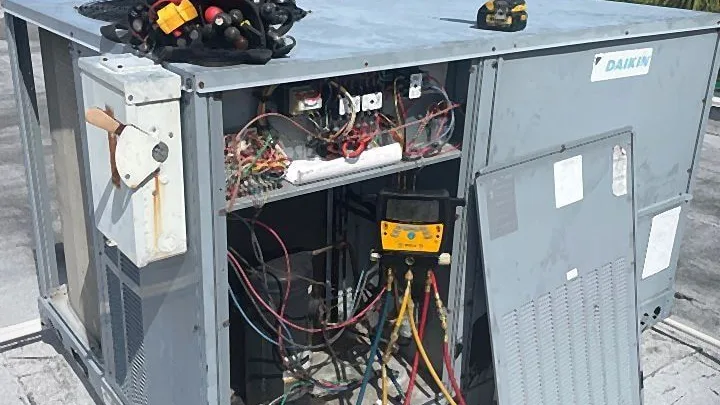
What actually voids a manufacturer's warranty?
Warranty rules on air conditioning equipment are one of the most misunderstood parts of owning a system, partly because manufacturers write them densely and partly because homeowners hear conflicting things from different technicians, some of it well-intentioned and some of it simply repeated without being checked. Some of what circulates as warranty wisdom is accurate. A meaningful amount is myth, repeated so often it sounds like fact. Knowing the real rules matters because a warranty claim denied over a technicality, after you already paid for a repair, is an expensive way to find out you misunderstood the terms. Here is what genuinely puts coverage at risk, and what does not.
The real triggers are specific: work performed by an unlicensed contractor, since manufacturers generally require licensed installation and repair to honor coverage; missing the manufacturer's product registration window after install, which for many brands defaults the warranty to a shorter base term if skipped; using non-approved parts or refrigerant not rated for the unit; and tampering with factory components in a way that directly caused the failure. Clear neglect, like never changing a filter to the point it caused catastrophic damage, can sometimes be cited too, though it's rarely the sole reason a claim is denied. These terms vary by manufacturer, so the actual warranty document for your specific equipment, not a general rule of thumb, is the real authority.
A warranty denied over a technicality, after you already paid for the repair, is an expensive way to learn you misunderstood the terms.
United A/C & RefrigerationDoes having a different company repair my system void the warranty?
No, not simply because it's a different company than the one that installed it, as long as the work is done by a licensed contractor using a proper or compatible part. This is one of the most widely repeated myths in the industry, sometimes encouraged by the original installer to keep your business, but it isn't how manufacturer warranties are generally structured. What does matter is keeping documentation of any repair, in case a future claim needs to show the system was properly maintained by qualified people.
Does regular maintenance affect my warranty?
Often the opposite is true. Many manufacturers actually require documented annual maintenance to keep certain warranty terms valid, and skipping it can be cited to deny a claim tied to neglect. Routine maintenance with records kept is one of the best protections a homeowner has for a future warranty claim, not a risk to it.
What's the difference between the parts warranty and the labor warranty?
A parts warranty, usually from the manufacturer directly, covers the cost of a replacement part for a set number of years. A labor warranty is often separate and sometimes shorter, and it may come from the installing contractor rather than the manufacturer, covering the cost of the technician's time to install a covered part. An advertised warranty length can refer to only one of the two, which is a common source of surprise later, especially if the installing contractor's own labor coverage lapses well before the manufacturer's parts coverage does. Ask specifically what's covered, for how long, and by whom, in writing, at install time, rather than assuming the biggest number on the brochure applies to everything.
What should I do to protect my warranty going forward?
Register the product promptly after install, or confirm with your installer that it was done. Keep every maintenance and repair receipt in one place. Use licensed contractors for any work done to the system. And if the terms are unclear, ask directly rather than assume. If you've inherited a system from a previous homeowner, check whether registration happened and whether any transferable warranty terms apply — this varies by manufacturer and is worth confirming rather than guessing either way.
What if a claim gets denied and I think it shouldn't have been?
Ask specifically which term the denial is based on, in writing, rather than accepting a general explanation. Manufacturers deny claims for a documented reason — an unlicensed repair, a missed registration, a specific exclusion — and you're entitled to know exactly which one applies to your situation. If the reasoning doesn't match your records, your installer or repair company should be able to help you appeal it, since they typically deal directly with the manufacturer on warranty matters and can present your maintenance and repair history on your behalf. Keeping organized records from the start is what makes that conversation quick instead of drawn out.
Why this matters more with South Florida's run hours
Because systems here run so many more hours per year than in a milder climate, warranty claims come up more often and sooner — parts simply wear into their failure window faster. Salt-air corrosion near the coast can also raise real questions about what caused a given failure, environmental wear versus a manufacturing defect, which is exactly where documentation and a licensed repair history matter for a claim to go smoothly. Storm season adds another wrinkle: a claim tied to power-surge damage or flooding is typically a homeowner's insurance question rather than a manufacturer warranty one, and it's worth knowing which door to knock on before you call anyone. Broward and southern Palm Beach permitting requirements can also shape how an install is documented, and a properly permitted job leaves a cleaner paper trail if a warranty question ever comes up. None of this is exotic, but it means homeowners from the coastal blocks of Deerfield and Hillsboro Beach to the inland communities west of them have more reason than most to actually understand their warranty terms rather than rely on hearsay.
Serving Broward County and southern Palm Beach County from our shop in Deerfield Beach.
Questions and answers
Will using a different repair company than my original installer void my warranty?
Generally not, as long as the work is performed by a licensed contractor using a proper part. This is one of the most common warranty myths, sometimes repeated by installers to keep your business. What matters is licensing and documentation, not brand loyalty to whoever originally installed the system.
Does skipping my annual maintenance really put my warranty at risk?
It can, and more directly than most people expect. Many manufacturers require documented regular maintenance to keep certain warranty terms active, and a claim tied to obvious neglect, like a filter never changed, can be denied on that basis. Keeping maintenance records is one of the simplest ways to protect a claim.
What's the difference between a parts warranty and a labor warranty?
A parts warranty, usually from the manufacturer, covers the cost of a replacement part for a set number of years. A labor warranty, often shorter and sometimes from the installing contractor rather than the manufacturer, covers the technician's time to install that part. An advertised warranty length can refer to only one of the two, so ask specifically what's covered and by whom.
Do I need to register my new AC system for the warranty to count?
For many manufacturers, yes — registration within a set window after installation is often required for the full warranty term, and skipping it can default coverage to a shorter base period. Confirm with your installer that registration happened, or do it yourself if you have the equipment's serial and install information.
Does a storm-related failure fall under my AC warranty?
Usually not. Damage from a power surge, flooding, or storm debris is typically a homeowner's insurance matter rather than a manufacturer warranty issue, since a manufacturer's warranty generally covers defects in the equipment itself, not external damage caused by weather. Confirm with your insurer which coverage actually applies before assuming either way, and keep photos of any visible storm damage for the claim.
How do I find out exactly what my system's warranty actually covers?
Check the paperwork from your installation for the manufacturer's warranty registration and terms, or look up the equipment's model and serial information with the manufacturer directly. Many manufacturers also let you check registration status online once you have the serial number. If you're not sure where to start, tell the assistant what you know about your system and it can help you figure out what to look for.
How we know this
This advice comes from what our technicians actually find on service calls in Broward County and southern Palm Beach — not from national HVAC copy. Salt-air corrosion on the barrier island, drain lines that block every wet season, and equipment running nine months a year are local realities, and they change the right answer.
Worth disclosing: we install Amana equipment, so we are not an independent reviewer. Where a brand or product is discussed we say what it is good and bad at, and we will tell you when the honest answer is to repair what you have or do nothing yet.
Talk to a technician
Have a question this raised? The assistant answers what it can, takes your details, and hands you to a real person who confirms the day and time.