
Timing a replacement around the seasons
In most of the country, air conditioning is a seasonal purchase with an obvious slow season to buy in. South Florida barely has one. Here is what timing actually means here, and how to plan a replacement instead of having one forced on you.
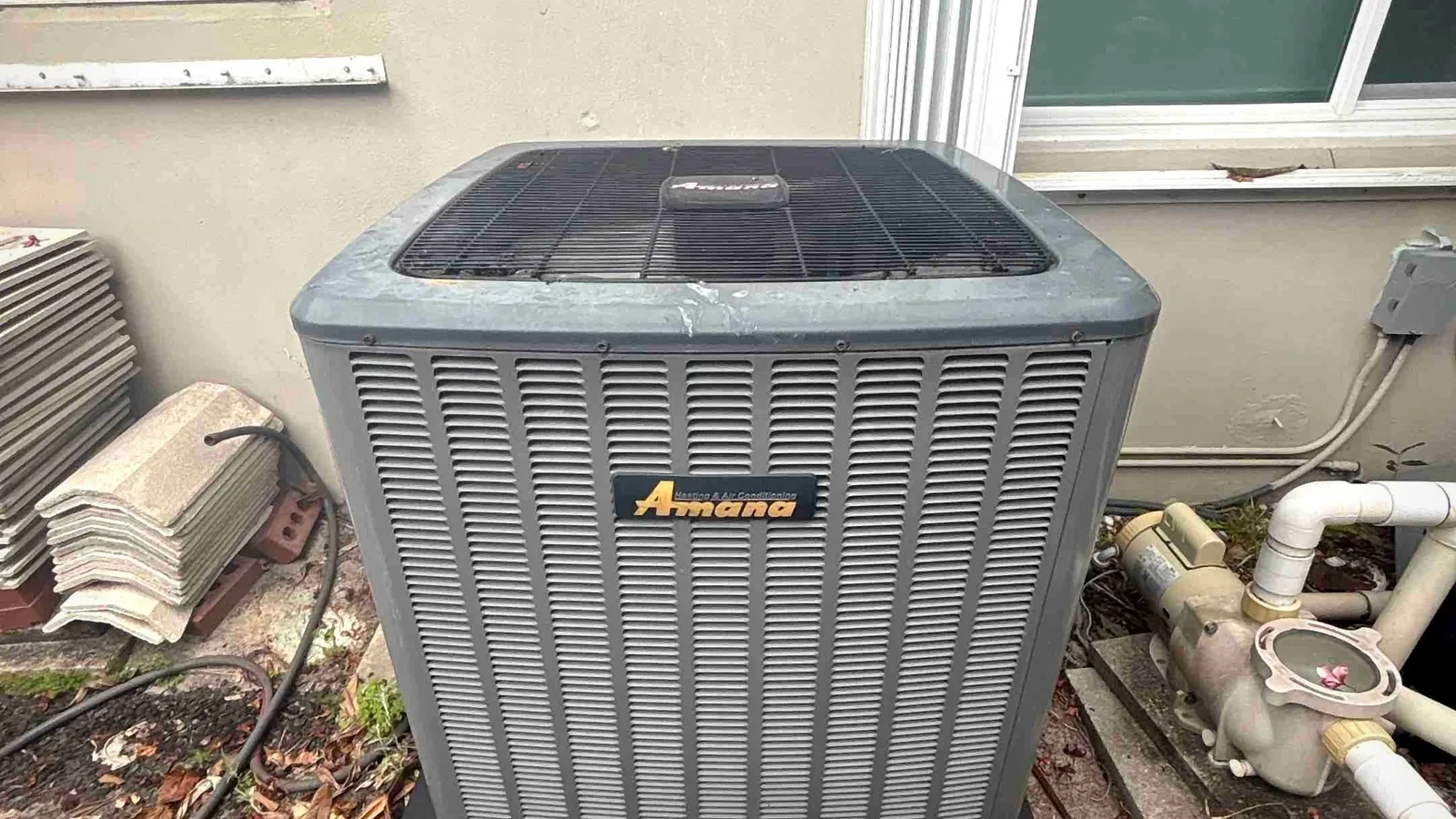
Is there truly a best time to replace an AC in South Florida?
Homeowners ask when the best time of year is to replace an air conditioner the same way they would ask about a roof or a car battery, expecting a clear off-season discount window. South Florida does not really offer one, because the equipment barely gets an off-season. What timing does still control is far more practical: how much choice you have, how rushed the decision is, and whether you are comparing options calmly or replacing a dead system in a hurry. That distinction matters more here than the calendar does.
Not in the way the question usually means. A cooling system here runs for most of the year, often eight or nine months of real, daily load, so there is no long stretch where demand simply disappears and everyone is idle waiting for work. What exists instead is a calmer window and a busier one. The stretch from roughly January into early spring tends to see fewer no-cooling emergencies than the deep summer, which means more scheduling flexibility, more time for a proper in-home assessment, and less competition for the same appointment slots.
Calmer is not the same as cheap
This is a scheduling and decision-quality difference, not a pricing season. Pricing is a conversation for the assistant, not a claim to make on a page. What changes with timing is how much room you have to think it through, ask questions, and compare a repair against a full replacement without the pressure of a house that is already ninety degrees inside.
An emergency replacement does not get you worse equipment; it gets you a worse hour to decide it in.
United A/C & RefrigerationWhat happens if you wait until the system fails in August?
You lose the thing timing was ever going to buy you: options. When a system dies mid-summer, it rarely dies alone. Every other aging unit in the region is under the same load at the same time, which means service schedules fill fastest exactly when the need is most urgent. That does not mean help is not available — it means the decision compresses into hours instead of weeks.
The real cost of an emergency swap
An emergency replacement forces choices that a planned one does not: whatever equipment can be sourced and installed soonest, a household running window units or staying with family in the meantime, and a homeowner deciding on a major piece of equipment while uncomfortable and motivated to end that discomfort quickly. None of that produces a worse system. It produces a worse experience for the person making the call, and a rushed one.
How far ahead should a replacement actually be planned?
The planning window opens the moment a system starts showing its age, not the moment it quits. A unit approaching the far end of its typical service life, one that has needed more than one meaningful repair in a year or two, or one whose maintenance visits keep surfacing the same wearing part is telling you something well before it fails outright.
What that lead time is for
Treating those signs as the start of a planning window, rather than waiting for a breakdown, buys time to get an honest assessment of repair versus replacement, compare equipment options without a deadline, and schedule the install on a date that suits the household rather than whatever slot is left. None of this requires guessing at a failure date. It requires acting on the warning signs instead of waiting them out.
Does the season change how the installation itself goes?
It affects working conditions more than it affects the result. A replacement in July has a crew working in attic and rooftop heat that a February install does not, and it happens on a day when the household genuinely cannot be without cooling for long, which adds pressure to get it right the first time with no room for delay. A cooler-weather install carries none of that urgency, which is part of why the calmer months are easier on everyone involved, not because the equipment behaves differently.
Permits and inspections
Broward and southern Palm Beach both require permitting and inspection on a full system replacement, and municipal turnaround can slow during the busiest stretches of the year simply from volume. Starting the process earlier, rather than after a failure, keeps that step from becoming the bottleneck on a household that is already without cooling.
What should actually trigger the decision to replace now?
The equipment's condition, not the calendar. A system nearing the far end of its typical service life, one whose repair visits keep circling back to the same part, or one that has clearly lost ground on comfort or run time is telling you the decision window is open. Waiting for a specific month to arrive before acting on those signs only narrows your options later, because the equipment does not pause its aging to match a preferred season.
A quiet system is not the same as a healthy one
It is easy to read a system that is still running as a system that is fine, especially outside of the hottest months when the load is lighter and problems hide more easily. An aging unit can coast through a mild stretch and then struggle the moment real summer load returns. A straightforward inspection, rather than waiting to see how the system handles the next heat wave, is the more reliable way to know where things actually stand before deciding on timing.
Why 'off-season' barely exists in Broward and Palm Beach
Most of the country gets a genuine cooling off-season; South Florida gets a shorter, milder version of summer and calls it winter. A system here can run nearly every month, which is exactly why the usual advice about buying equipment in the slow season does not translate cleanly to this climate — the slow season is measured in weeks, not months. There is also a second demand pattern layered on top of the heat: the seasonal return of part-time residents and snowbirds from roughly November into April, when closed-up homes get switched back on and any deferred cooling problem shows up all at once. Hurricane season, June through November, adds its own scheduling reality — both in storm-prep demand spikes and in the supply chain for equipment and parts, which can tighten around a major storm. None of this means there is a wrong time to replace a system. It means the honest planning advice is to act on the condition of the equipment rather than wait for a calendar date, because in this climate the calendar rarely does anyone a favor.
Serving Broward County and southern Palm Beach County from our shop in Deerfield Beach.
Questions and answers
When is the slowest time of year to schedule an AC replacement here?
Roughly the winter and early spring months tend to be calmer than deep summer, with fewer no-cooling emergencies competing for the same appointment slots. It is a scheduling difference, not a discount season, and South Florida's cooling load means even the calm stretch is busier than a true off-season elsewhere in the country.
Can I just wait until my AC completely fails to replace it?
You can, but it trades planning time for urgency. A dead system in peak summer means choosing from what is available on the soonest possible timeline, often while the household is uncomfortable and eager to end that quickly. A system showing age-related warning signs is telling you it is time to plan well before it actually quits.
How long does it take to get a new AC installed once I decide?
It depends on equipment availability, permitting turnaround in your municipality, and how full the schedule is at that moment. Planning ahead of a failure, rather than after one, gives that whole process room to move at a normal pace instead of being compressed by an emergency. Ask the assistant and we can walk through realistic timing for your situation.
Should I replace my AC before hurricane season starts?
If the system is already showing age or repeated repairs, doing it before June rather than during storm season is generally the calmer path, since both scheduling demand and equipment supply chains can tighten around major storms. It is not a strict rule for every household, but it is a reasonable one for a system that is already on borrowed time.
Is it worth replacing an AC that still works but is getting old?
Sometimes, and it depends on the specific system, not its age alone. A unit nearing the end of its typical service life that is still running fine today can still be a candidate for planned replacement, precisely so the decision happens on your schedule instead of the system's. A straight assessment of its condition is the honest starting point.
How do I know if it is time to replace rather than repair again?
Repeated repairs on the same system, rising frequency of service calls, or a unit near the far end of its expected lifespan are the usual signals. There is no single number that decides it for every home. Tell the assistant what has been happening with your system and we will help you think through repair versus replacement honestly.
How we know this
This advice comes from what our technicians actually find on service calls in Broward County and southern Palm Beach — not from national HVAC copy. Salt-air corrosion on the barrier island, drain lines that block every wet season, and equipment running nine months a year are local realities, and they change the right answer.
Worth disclosing: we install Amana equipment, so we are not an independent reviewer. Where a brand or product is discussed we say what it is good and bad at, and we will tell you when the honest answer is to repair what you have or do nothing yet.
Talk to a technician
Have a question this raised? The assistant answers what it can, takes your details, and hands you to a real person who confirms the day and time.