
Air handler placement: attic, closet, or garage
The indoor half of your cooling system can live in more than one place, and the choice has real consequences in a South Florida home. Here is how attic, closet, and garage placement compare on heat, access, water risk, and noise.
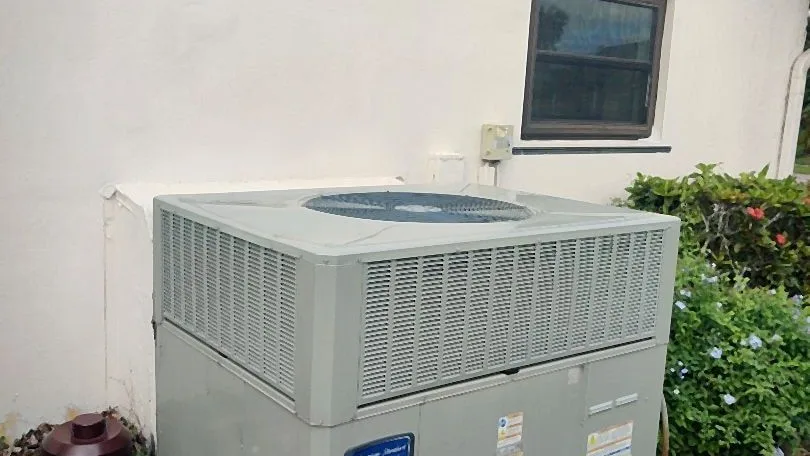
What are the trade-offs of an attic air handler?
Where the air handler sits is not usually a decision homeowners make fresh; it is inherited from however the house was originally built, tucked into an attic, a hallway closet, or a garage corner long before the current owner arrived. But when a replacement, a renovation, or an addition puts the question back on the table, it is worth understanding what each location actually costs and buys you. Attic, closet, and garage placements each carry real trade-offs in heat load, ease of access, condensate handling, and noise, and in a climate that runs cooling equipment nearly year-round, those trade-offs are not academic.
An attic placement keeps the equipment out of living space entirely, but it puts the air handler in the single hottest location in the house. A South Florida attic can run far hotter than outdoor air on a summer afternoon, and the handler and any exposed ductwork inside it are working against that ambient heat continuously.
The heat penalty
Ductwork routed through an unconditioned attic loses cooling to the surrounding heat before air ever reaches a room, and a poorly sealed or insulated duct run in that environment can waste a meaningful share of the system's output. This is one of the reasons duct sealing and insulation matter as much as the equipment itself in an attic-based system.
Access and comfort during service
Servicing an attic unit means a technician working in extreme heat, often in a cramped space, which can make routine maintenance slower and less pleasant, though it does not change the quality of the work. A secondary drain pan with a float switch is essential here, since a leak in an attic handler risks ceiling damage below before anyone notices.
Relocating an air handler rarely makes sense during a like-for-like replacement; it earns its cost during a renovation or a chronic problem the current spot can't solve.
United A/C & RefrigerationWhat are the trade-offs of a closet air handler?
A closet placement, common in single-story homes and many condos, puts the handler in conditioned or near-conditioned space, which removes the extreme heat penalty an attic imposes. It is generally the easiest location to access for both routine maintenance and repair, since a technician is working in a normal indoor space rather than a crawlspace or an attic.
Noise is the real design question
Because a closet handler often backs onto a bedroom, hallway, or living space, sound transmission becomes the main consideration. A well-installed unit with proper vibration isolation and a tight, well-sealed closet door is quiet enough to ignore; a poorly isolated one can be a low, constant hum that is noticeable at night when the house is otherwise silent.
Space and condensate routing
Closets are often sized tightly around the equipment, which can make future upgrades or larger units a tighter fit, and condensate drainage has to be routed carefully to an approved location rather than simply draining onto a floor. Both are solvable, but worth confirming during any replacement quote.
What are the trade-offs of a garage air handler?
A garage placement, common in many newer South Florida homes, keeps both the heat load and any operational noise entirely outside the living space, which is a genuine comfort advantage over a closet location backing onto a bedroom. It also tends to offer more room around the unit for servicing than a tight interior closet.
Condensate and code considerations
Garage-installed handlers still need a properly routed condensate line and, depending on the local jurisdiction, specific requirements around drain pans, float switches, and where the line is permitted to discharge. Because garages are unconditioned and can see wide temperature swings, insulation and sealing around the unit and its ductwork still matter, even though the heat load is generally milder than an attic's.
Ductwork distance
A garage sits at one end of most floor plans, which can mean longer duct runs to reach far corners of the house compared with a more central closet or attic location, and longer runs mean more opportunity for airflow loss if the ductwork is not sized and sealed correctly.
Which placement is best for a South Florida home?
There is no single best answer; the right placement depends on the home's existing layout, the climate trade-offs above, and, in a replacement, how much it would cost to relocate equipment that already has a place to live. For a straightforward like-for-like replacement, keeping the existing location is almost always the more practical and cost-effective choice, since the ductwork, electrical, and condensate routing are already in place.
Relocating an air handler makes more sense during a larger renovation, when a homeowner is dealing with chronic noise complaints from a poorly placed closet unit, or when an addition changes the duct layout enough that the original placement no longer makes sense anyway. In new construction or a full system redesign, a garage or a well-sealed, well-insulated closet generally beats an attic on comfort and efficiency grounds, though attic placement remains extremely common and workable when properly sealed and insulated.
How South Florida housing stock shapes this choice
The mix of placements you see across Broward and southern Palm Beach tracks the region's building eras closely. Many mid-century homes were built with closet-mounted handlers, often in a central hallway, which keeps the equipment out of the brutal attic heat but puts noise isolation front and center in older homes with thinner interior walls. Newer construction and many master-planned communities favor garage placement, partly because modern garages are built with the space and partly because it keeps both heat and hum fully outside living areas. Attic placement remains common across all eras, especially in homes where floor plans do not offer an obvious interior closet, and it is workable, but it asks more of the duct sealing and insulation given how hot a Florida attic runs for most of the year. Condo and multi-family constructions sit somewhat separately, often bound by whatever the building's original design specified and its association rules, which can limit whether relocation is even an option. Whatever the setup, the shared thread across this climate is that condensate handling deserves real attention regardless of placement, since a routine drain clog left unresolved through a long, humid wet season can become a water-damage problem far faster here than in a drier climate.
Serving Broward County and southern Palm Beach County from our shop in Deerfield Beach.
Questions and answers
Can I move my air handler from the attic to a closet?
Often yes, but it is a larger job than a standard replacement, involving new ductwork routing, electrical work, and condensate line relocation, so it is usually only worth doing during a broader renovation or if the attic location is causing a specific, unresolved problem. Ask for an on-site evaluation before assuming it is a simple swap.
Is a garage air handler bad for the equipment in Florida heat?
Not inherently. A garage runs hotter and more variable than conditioned space but is generally milder than a Florida attic, and a properly installed, insulated unit with correctly routed condensate handles that environment fine. The main things to get right are insulation around the unit and ductwork, and a condensate setup that meets local code.
Why is my closet air handler so loud?
Usually poor vibration isolation, a closet door that does not seal well, or a unit installed without enough clearance and sound-dampening material around it. This is fixable without relocating the equipment in most cases — isolation pads, door seals, and sometimes minor duct adjustments can meaningfully reduce the noise reaching adjoining rooms.
Does attic placement make the AC less efficient?
It can, mainly through duct losses rather than the handler itself. Ductwork running through a hot, unconditioned attic loses some cooling before it reaches the rooms, especially if the ducts are poorly sealed or under-insulated. A well-sealed, well-insulated attic system performs respectably; a neglected one wastes real efficiency to the surrounding heat.
Do I need a secondary drain pan no matter where the handler is?
It is standard practice and often required by code, particularly for attic installations where a leak risks ceiling damage before anyone notices. Closet and garage installations benefit from the same protection, paired with a float switch that shuts the system down if the primary drain clogs, which is a small safeguard against a much larger repair.
Should placement affect which brand or size system I choose?
Placement affects duct design and installation details more than the equipment choice itself, though longer duct runs from a garage location can factor into airflow and sizing calculations. A proper load calculation accounts for the home's actual layout regardless of where the handler sits, which is part of why an in-person evaluation matters more than a generic recommendation.
How we know this
This advice comes from what our technicians actually find on service calls in Broward County and southern Palm Beach — not from national HVAC copy. Salt-air corrosion on the barrier island, drain lines that block every wet season, and equipment running nine months a year are local realities, and they change the right answer.
Worth disclosing: we install Amana equipment, so we are not an independent reviewer. Where a brand or product is discussed we say what it is good and bad at, and we will tell you when the honest answer is to repair what you have or do nothing yet.
Talk to a technician
Have a question this raised? The assistant answers what it can, takes your details, and hands you to a real person who confirms the day and time.