
Planning your AC for the year ahead
January is the one month South Florida cooling equipment gets a break, which makes it the natural time to plan rather than react. Here is how a maintenance agreement, a year-ahead budget, and an honest look at the system's age fit together before the heat comes back.
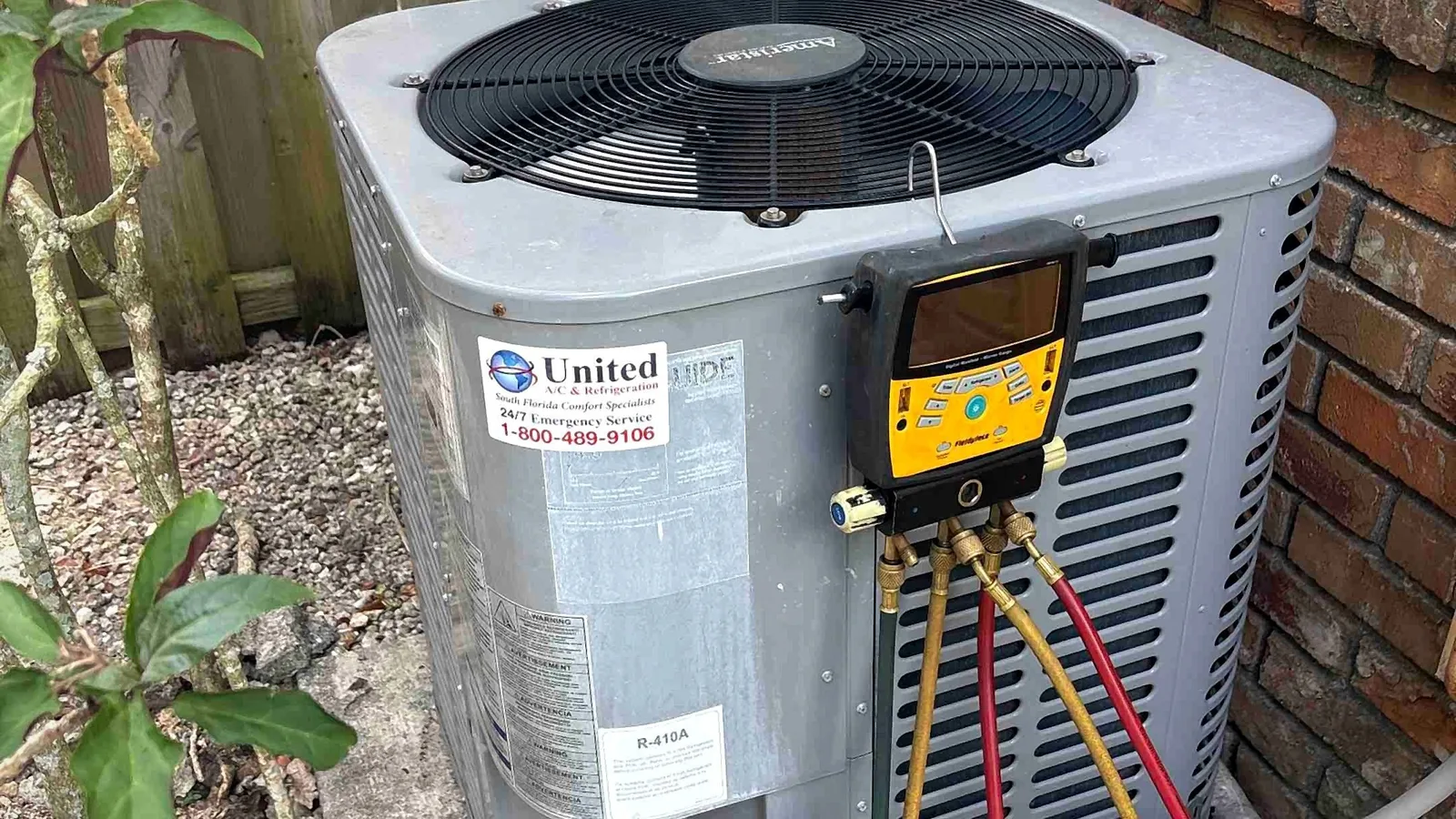
Why does January make sense for AC planning?
The new year arrives in South Florida during the one real lull the cooling season allows: mornings cool enough to open a window, systems idling instead of running flat out. It is a narrow window, and it closes fast once March brings the heat back. Homeowners who use it to plan — scheduling a maintenance agreement, setting a rough budget for the year, and taking an honest look at how much life is left in the current system — go into summer with fewer surprises than those who wait for the first hot week to think about any of it.
January is the closest thing this climate has to an off-season for cooling equipment. Call volume for routine service is at its lowest point of the year, which means an inspection booked now gets more unhurried attention than the same visit squeezed in during the pre-summer rush that starts building in March. It is also a natural point to reset: a fresh filter, a reviewed thermostat schedule, and a clear look at what, if anything, needs attention before the system goes back to working nine months a year.
The lull will not last
South Florida does not get a true winter shutdown the way northern homes do. Even a mild January stretch still calls for cooling most afternoons, and by the time spring break arrives the workload is already climbing. Homeowners who wait until the first genuinely hot week to think about maintenance are competing with everyone else who had the same thought at the same time. Planning in January, while the calendar is open, is simply easier.
January is not a month off from the AC; it is the month the AC actually gets planned for.
United A/C & RefrigerationWhat does a maintenance agreement actually cover?
A maintenance agreement is a standing arrangement for the two visits a South Florida system genuinely needs each year — one before the heavy cooling season and one in the fall — without you having to remember to call. What is inspected matters more than how often: a real visit checks the refrigerant charge, the condition of the electrical components, the condensate drain, the coil, and the airflow through the filter and ducts, not just a quick look and a new filter.
What it buys beyond the visit itself
The real value of an agreement is priority scheduling. When the first true heat wave hits and every phone in the county is ringing at once, agreement holders are worked into the schedule ahead of a cold call. It also creates a paper trail: two documented visits a year make it far easier to tell whether a system is aging normally or heading toward trouble, which is useful information heading into any budget conversation. Details on what a standard maintenance plan includes are worth reviewing before the season starts.
When does budgeting for replacement make more sense than another repair?
The honest answer depends on the system's age and its repair history, not a fixed cutoff. A system in its second decade of service, especially one that has already needed a significant repair in the last year or two, is worth budgeting for eventual replacement even if this year's inspection comes back clean.
Reading the pattern, not just the moment
One clean inspection does not mean the equipment is young; it means nothing failed today. The more useful signal is the pattern over several visits: rising run times, a capacitor or contactor replaced last year, a coil that needed attention. None of that means the system needs to be replaced this year, but it does mean a replacement line item belongs in the household budget as a possibility rather than a shock. Thinking it through ahead of time, rather than during a July breakdown, is the whole point of planning in January. Our replacement guidance walks through the signals worth watching without pushing a system that still has good years left.
What should a year-ahead cooling budget actually include?
A realistic cooling budget has three parts, and treating them separately keeps a bad year from feeling like a crisis. The first is routine maintenance — the two seasonal visits, filters, and small consumables, which is predictable and the easiest to plan for. The second is a modest allowance for the kind of minor repair that shows up in almost any given year on equipment more than a few years old: a capacitor, a contactor, a small refrigerant issue.
The third bucket is the one people skip
The third part is a longer-horizon replacement reserve, set aside gradually rather than assembled in a panic. It does not need to be large in any single year; it needs to exist at all, so that when a system in its second decade finally needs replacing, the decision is about timing and equipment rather than about finding the funds on short notice. Thinking about the year in these three buckets, rather than one lump number, is what actually makes a cooling budget usable.
Is January or spring the better time to schedule the year's first service visit?
Earlier is better, and January or February beats waiting for spring. Scheduling the first seasonal visit while the weather is still mild means any issue the inspection turns up — a weak capacitor, a coil that needs cleaning, a drain line close to clogging — gets addressed before the system has to work hard, not discovered mid-heatwave when the same repair is competing with every other call in the county.
The trade-off with waiting
Waiting until spring is not wrong, but it narrows the window. By March the same appointment sits later on the calendar, and any part that turns out to need ordering has less runway before summer starts in earnest. There is no real downside to moving the first visit earlier in a climate where the system will be working within a matter of weeks regardless of the month.
What the new year actually looks like for a South Florida system
South Florida does not give cooling equipment a real rest, even in January. A system here still cycles most afternoons through the coolest stretch of the year, and by the time spring break traffic fills the coastal roads, it is back to running most of the day. That compressed transition is exactly why planning ahead of it pays off: a homeowner in Broward or southern Palm Beach who books a maintenance visit and thinks through a budget in January is dealing with a system that is idling, not one that is already straining on a 90-degree afternoon. It also means the mild window is genuinely short. What passes for winter here rarely lasts past February, and older housing stock — the mid-century blocks near the coast as much as the newer master-planned communities further west — all carry the same math: nine months of heavy run time is coming, and the equipment either goes into it freshly inspected or it does not. The homeowners who treat January as planning season, rather than a month off from thinking about the AC at all, are the ones who are not surprised in July.
Serving Broward County and southern Palm Beach County from our shop in Deerfield Beach.
Questions and answers
Is a maintenance agreement worth it if my AC is still new?
Yes. A new system still benefits from two documented visits a year, and several manufacturers require proof of regular maintenance to keep a warranty valid, which an agreement provides automatically. It also catches an installation issue early, while it is a simple adjustment, rather than after a full season of running slightly wrong. Age is not really the reason for an agreement; consistency is.
How do I know if my system is a repair or a replacement conversation this year?
There is no single rule, but a system past the middle of its expected service life that needs a repair costing a meaningful share of a new system's value is usually a replacement conversation, not a repair one. A single failed part on an otherwise sound system is still worth fixing. Tell the assistant the system's age and what just failed, and it will help you think through which side of that line you are on.
Should I change my thermostat schedule for the new year?
It is a good habit. Thermostat schedules tend to accumulate leftover settings — a hold from a vacation, an override nobody undid — that quietly waste run time or leave the house less comfortable than intended. Reviewing the schedule in January, alongside the rest of a seasonal check, is a five-minute task that can meaningfully change how the system runs for the rest of the year.
What is the biggest planning mistake homeowners make in January?
Assuming the mild weather means there is no rush. South Florida's cool stretch is short, and the appointment calendar fills from the first hot week onward. The mistake is not doing anything wrong with the system itself; it is waiting until the demand curve has already turned upward to book the visit that was easiest to schedule in January.
Does a maintenance agreement cover repairs?
Generally not in full. A maintenance agreement is built around the two scheduled inspection and tune-up visits, not a repair contract. Its value on the repair side is indirect but real: catching a weakening part during a routine visit usually means a smaller, planned fix instead of an emergency one. Ask the assistant what a specific agreement includes before assuming it covers a given repair.
How far ahead should I set money aside for an eventual replacement?
As soon as a system is past the midpoint of its typical service life, it is reasonable to start setting something aside, even a modest amount, rather than waiting for a failure to force the decision. There is no fixed year to start; it depends on the system's age and condition. The assistant can walk through your system's history with you and help you think about a realistic timeline.
How we know this
This advice comes from what our technicians actually find on service calls in Broward County and southern Palm Beach — not from national HVAC copy. Salt-air corrosion on the barrier island, drain lines that block every wet season, and equipment running nine months a year are local realities, and they change the right answer.
Worth disclosing: we install Amana equipment, so we are not an independent reviewer. Where a brand or product is discussed we say what it is good and bad at, and we will tell you when the honest answer is to repair what you have or do nothing yet.
Talk to a technician
Have a question this raised? The assistant answers what it can, takes your details, and hands you to a real person who confirms the day and time.