
Cleaning the outdoor coil properly
The outdoor unit sitting in the yard is doing the hard work of rejecting heat, and it can only do that job as well as its coil is clean. Here is what actually builds up on it, how to clean it correctly, and where a careless approach does more harm than good.
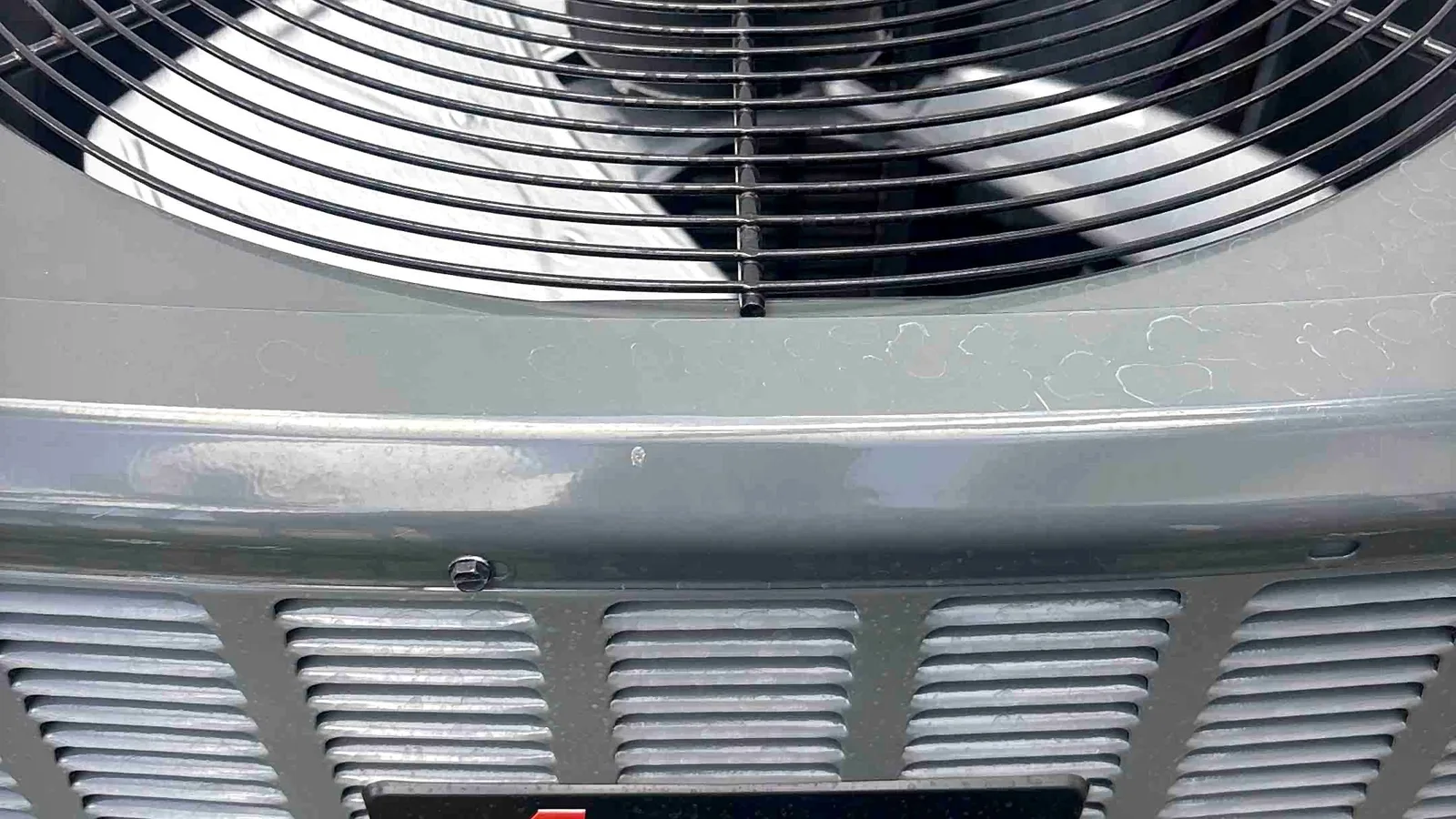
Why does a dirty condenser coil hurt performance?
The outdoor condenser coil is where the heat pulled out of your house actually leaves the system, and it can only shed that heat as efficiently as air can move through it. A coil packed with debris insulates itself against the very airflow it depends on, forcing the compressor to work harder and run longer for the same result. Unlike a filter change, coil cleaning gets skipped for years at a time because the buildup is gradual and mostly invisible from a normal viewing distance, which is exactly why it is worth understanding what accumulates there and how to deal with it correctly.
A condenser coil rejects heat by exposing a large surface area of thin metal fins to outdoor air moving across it. Debris packed between those fins acts like insulation, blocking airflow and trapping heat against the coil instead of letting it escape. The compressor then has to work harder and run longer to move the same amount of heat, which shows up as reduced cooling capacity, higher humidity indoors, and a higher electric bill for the same comfort.
It is a gradual loss, not a sudden failure
Because the effect builds slowly, a coil can lose a meaningful share of its efficiency over a season without ever causing an obvious symptom like warm air, which is why it is easy to overlook until a maintenance visit flags it.
A coil packed with debris insulates itself against the very airflow it depends on.
United A/C & RefrigerationWhat actually accumulates on a coil here?
The list is longer than most homeowners expect. Grass clippings thrown by a mower are one of the most common culprits, especially on units set close to the lawn. Airborne dust and pollen settle into the fins continuously given how long the growing season runs here. Leaf litter, seed pods, and the fine cottony debris some landscaping trees shed collect at the coil's base and get pulled into the fins by the unit's own fan. Spiderwebs and insect nests can also build up inside the fin bed over time in a yard that sees regular activity.
Why it looks worse on some units than others
A condenser positioned downwind of a lawn, close to shrubs, or under a tree accumulates debris far faster than one set in open space, which is worth considering the next time a unit is relocated or replaced, alongside whether it needs a coastal-rated coil coating if it sits anywhere near salt exposure.
How do you clean a coil the right way?
Start by shutting off power to the unit at the disconnect, both for safety and to avoid pulling loose debris further into the fins while the fan runs. Clear loose surface debris by hand or with a soft brush first, then rinse from the inside out where access allows, using a garden hose at moderate pressure rather than a tight jet. The goal is to flush debris out of the fin channels, not blast it further in.
Coil cleaner sprays
A foaming coil cleaner formulated for aluminum fins can help lift stuck-on grime before rinsing, but it should be used exactly as labeled and rinsed thoroughly afterward, since leftover residue can attract new debris just as effectively as it removed the old.
Can I clean my own coil, or is this a pro job?
A light surface rinse with a garden hose is a reasonable homeowner task and worth doing between professional visits, particularly after a heavy mowing season or a windy stretch that has clearly loaded the fins with debris. Deeper cleaning — getting between tightly packed fins, checking for bent fins that need a fin comb, or cleaning a coil that has gone years without attention — is better left to a technician with the right tools, since an aggressive approach with the wrong equipment can bend fins and reduce airflow rather than restore it.
How often does the coil need a real cleaning?
A thorough cleaning at each twice-yearly maintenance visit is the standard baseline, with a homeowner's light rinse in between if the unit sits somewhere that collects debris quickly, such as near a lawn or under trees. A unit in a cleaner, more open spot may go longer between deep cleanings without losing much performance. The honest test is a visual check every few months: if you can see debris packed into the fins rather than just dust on the surface, it is due.
Clearing the space around the unit matters too
Keeping at least a couple of feet of clearance around the condenser, free of shrubs, stacked items, or debris piles, reduces how quickly the fins reload with material even between rinses. A unit boxed in by landscaping works against itself no matter how often the coil itself gets cleaned.
Why coil buildup happens fast in a South Florida yard
The pace of coil buildup here owes a lot to how much the outdoors is actually growing for most of the year. A long mowing season means grass clippings are a near-constant hazard for any unit set close to the lawn, and the extended pollen and growing season keeps fine debris settling into the fins across more months than a place with a real winter would see. Frequent afternoon storms kick up dust and organic debris that finds its way onto the coil between rinses, and the humidity itself can help debris stick rather than blow off on its own. None of this is unique to any one neighborhood — it is simply the consequence of running cooling equipment outdoors, year-round, in a climate that never really stops growing things around it, on top of whatever salt-air corrosion a coastal address adds to the same coil. Positioning a unit away from dense shrubs and mower paths where the yard layout allows is a small decision that pays off in fewer cleanings and steadier performance.
Serving Broward County and southern Palm Beach County from our shop in Deerfield Beach.
Questions and answers
Can I use a pressure washer on my condenser coil?
Not at full pressure. A pressure washer's typical output is strong enough to bend or flatten the thin aluminum fins, which reduces airflow rather than improving it. If you use one, keep it on the lowest setting, hold it well back from the coil, and consider a garden hose instead for routine cleaning.
How do I know if my coil needs cleaning without climbing on it?
Look through the side of the unit at the fins from a couple of feet away. If you can see daylight or open fin gaps clearly, it is reasonably clean; if the view is obscured by packed debris, dust, or clippings, it is due for a rinse or a professional cleaning.
Does a dirty coil actually raise my electric bill?
Yes, measurably. A restricted coil forces the compressor to run longer to move the same amount of heat, and longer run times for the same result mean more electricity consumed for the same comfort. It is one of the more direct links between a simple maintenance task and a lower bill.
Is it okay to cover my outdoor unit to keep it clean?
A breathable cover over the top during storage or off-season shutdown is fine in climates that do that, but here the system runs nearly year-round, so covering it is rarely practical and can trap moisture against the unit if used while it is running. Keeping the surrounding area clear is more effective than covering it.
Can bent fins be fixed instead of replaced?
In many cases, yes. A tool called a fin comb can straighten bent aluminum fins back into alignment, restoring much of the lost airflow without replacing the coil. It works best on moderate damage; severely crushed sections may need a different repair approach.
How often should a technician clean the coil during maintenance?
At every scheduled visit, typically twice a year, as a standard part of the service rather than something added only if it looks dirty. The indoor evaporator coil should get the same attention, since it accumulates fine household dust over time and affects performance in similar ways when neglected. Ask the assistant to confirm both coils are covered the next time you book, and we will make sure it is on the ticket.
How we know this
This advice comes from what our technicians actually find on service calls in Broward County and southern Palm Beach — not from national HVAC copy. Salt-air corrosion on the barrier island, drain lines that block every wet season, and equipment running nine months a year are local realities, and they change the right answer.
Worth disclosing: we install Amana equipment, so we are not an independent reviewer. Where a brand or product is discussed we say what it is good and bad at, and we will tell you when the honest answer is to repair what you have or do nothing yet.
Talk to a technician
Have a question this raised? The assistant answers what it can, takes your details, and hands you to a real person who confirms the day and time.