
AC maintenance you can safely do yourself
Not every job on a home cooling system needs a license or a toolbox. Here is the honest list of what a South Florida homeowner can safely handle alone, done properly, and exactly where that list ends.
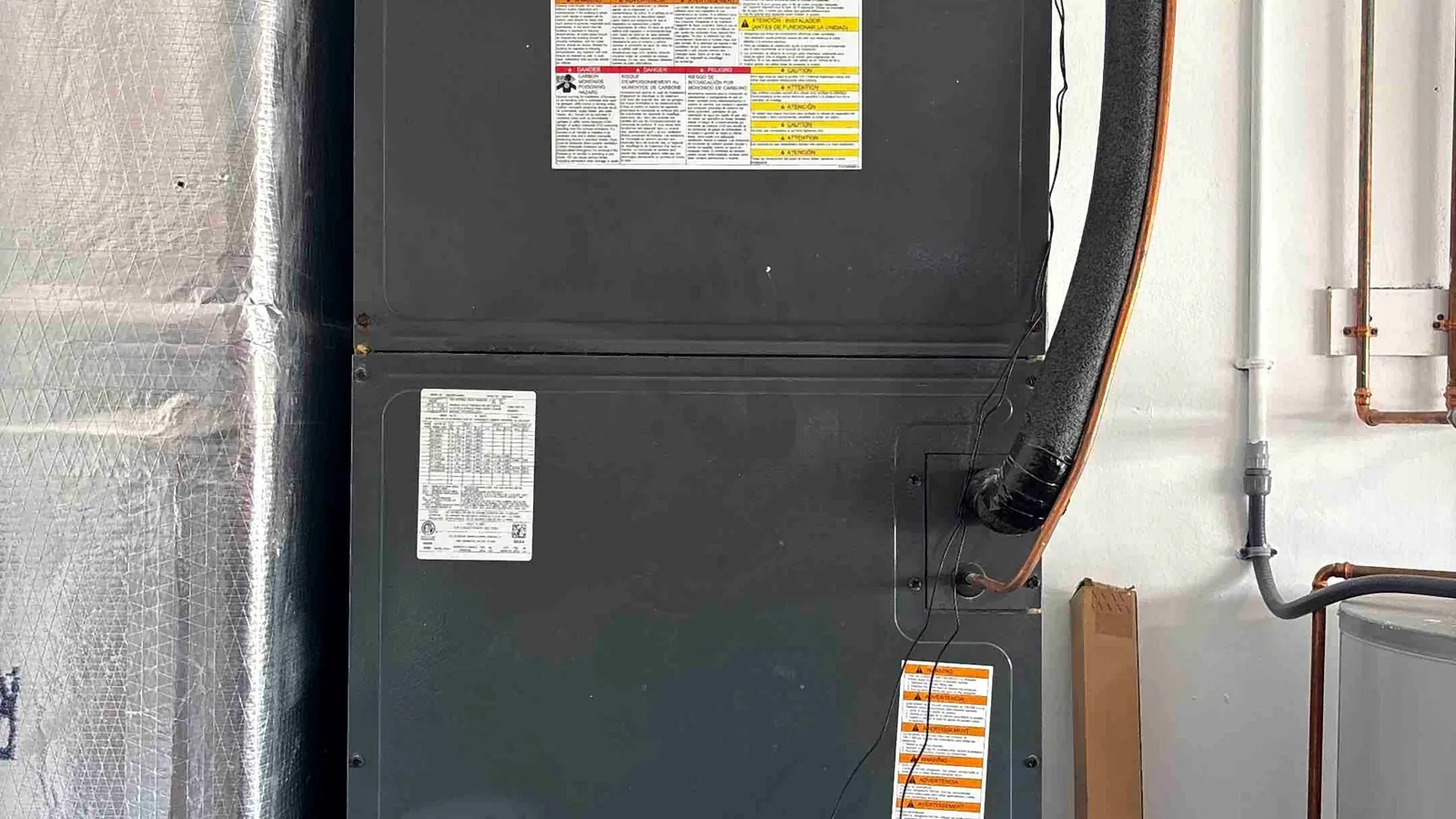
What maintenance work is actually safe for a homeowner to handle?
Not every task on an air conditioner needs a license, a gauge set, or specialized training. A handful of simple, low-risk jobs genuinely extend the life of a South Florida system and sit well within reach of an ordinary homeowner with a screwdriver and twenty minutes. The trick is knowing exactly where that list ends, because a surprising number of well-meaning jobs on a cooling system start safe and drift into something that requires real qualifications. Here is the honest list of what you can do yourself, done properly, and why each one is worth the small effort.
Four jobs make up nearly the entire safe list, and none of them require opening a sealed refrigerant circuit or working near line voltage: the filter, the area around the outdoor unit, a gentle rinse of the outdoor coil, and the small housekeeping items around the thermostat and vents. Each one is quick, repeatable, and forgiving of a beginner's technique.
Why these four and not more
The common thread is that each task works on the outside of the system, where a mistake costs you nothing more than a wasted afternoon. Anything that involves removing an access panel, handling a capacitor, or touching refrigerant lines belongs to a different list entirely, one that exists for good reason.
The safe half of AC maintenance works on the outside of the system, which is exactly why it stays safe.
United A/C & RefrigerationWhat is the right way to handle the filter?
Pulling the old filter and sliding in a new one sounds too simple to get wrong, and yet it is the job homeowners most often do slightly wrong. Check the arrow printed on the frame; it points in the direction of airflow, toward the air handler, and installing it backward chokes the very airflow you are trying to protect. Match the size printed on the frame exactly rather than forcing a close-enough size that leaves gaps for air to slip past unfiltered.
What to look for, not just how often
Hold the used filter up to a light. If you cannot see light through it, it has been in too long regardless of the calendar, and South Florida's dust, pollen, and near-constant run time can load a filter faster than a printed schedule suggests. A clean filter is also the cheapest insurance against a frozen coil, a topic covered in more depth on our maintenance page, and against the coil working harder than it needs to.
What can I safely do around the outdoor unit?
Keep it clear and keep it clean, and you have done most of what the outdoor unit needs between professional visits. Trim back grass, mulch, shrubs, and vines to leave at least a couple of feet of open space on every side so the condenser can pull air through the coil freely; a unit crowded by landscaping works harder for the same result.
A gentle rinse, not a power wash
A garden hose on a normal setting, run from the top down through the fins with the system switched off, washes away pollen, cut grass, and light dust before it packs into the coil. Never use a pressure washer or a stiff brush; the aluminum fins bend and crush under pressure most people underestimate, and bent fins choke airflow permanently, the same reason a proper condenser coil cleaning stays gentle by design. If the unit sits somewhere lawn clippings collect during mowing, a quick check after each cut is worth the minute it takes.
What about the thermostat and the vents?
A few minutes of housekeeping indoors rounds out the safe list. Replace thermostat batteries on a yearly rhythm rather than waiting for a low-battery chirp at an inconvenient hour, and confirm the schedule and mode did not quietly revert after a power blip or a battery change.
Keep the airflow path open
Walk the house and make sure furniture, rugs, and curtains are not blocking supply vents or the return grille; a blocked vent forces the system to work against itself in one room while starving another. Vacuum the return grille occasionally, since it collects the same dust a filter does and restricts airflow directly at the source before the filter even gets a chance to catch it.
Where does the checklist end and a service call begin?
The moment a job requires a tool beyond a screwdriver or a hose, or takes you anywhere near the electrical panel or the refrigerant lines, it has left the DIY list. A checklist done faithfully still will not prevent every failure, and a system that is short on airflow, making a new noise, or not keeping up despite a clean filter and a clear outdoor unit is telling you something a visual check cannot diagnose.
That is the point to bring in a professional rather than keep guessing, and a routine maintenance plan covers the parts of the job that genuinely require training, on a schedule that catches problems while they are still small.
Why this list matters more in a South Florida yard
South Florida gives the safe half of this list more work to do than a milder climate would. The wet season pushes grass, vines, and mulch beds into fast growth for months at a time, so a condenser tucked against a hedge in a Coral Springs or Tamarac backyard can go from clear to half-swallowed by August without anyone noticing gradually. Hurricane season adds its own housekeeping: after any storm with wind or heavy rain, a quick look at the condenser for leaves, seed pods, or debris packed into the fins is worth doing before the system runs hard again. Near the coast, from Hillsboro Beach down through Deerfield, a light fresh-water rinse also does double duty against salt residue building up between professional visits, though a coastal home benefits from a closer look at the coil and the electrical contacts than an inland one does. None of this replaces a real tune-up; it simply keeps the system breathing freely in the months between them, in a climate that does not give a neglected unit much of a break.
Serving Broward County and southern Palm Beach County from our shop in Deerfield Beach.
Questions and answers
Can I clean the outdoor coil with a pressure washer to save time?
No. A pressure washer, or even a garden hose on a strong jet setting, can bend the thin aluminum fins on the coil, and bent fins restrict airflow in a way that does not undo itself. Use a normal hose setting from the top down with the system off, and if the coil looks packed with debris beyond what a gentle rinse clears, that is worth a professional cleaning instead.
Is it safe to change the filter while the system is running?
Yes, changing a filter does not require powering the system down. It is a good habit to briefly switch the thermostat off while the filter compartment is open so dust does not get pulled straight into the blower, but there is no electrical or mechanical risk in doing it with the system on.
How do I know if my filter is the wrong size?
Check the dimensions printed on the cardboard frame of your old filter, in inches, and match them exactly on the replacement rather than rounding to a close size. A filter that is slightly too small leaves gaps around the frame for unfiltered air to bypass it entirely, which defeats the purpose while looking installed correctly.
Should I cover my outdoor unit during the off-season?
In South Florida, there generally is not an off-season, since the system runs most months of the year, and a full cover can trap moisture against the unit rather than protect it. A light layer of debris from nearby trees is fine to rinse away; a snug tarp or cover is not something we recommend here.
Can I tighten or adjust anything inside the outdoor unit myself?
No. Anything inside the outdoor cabinet involves either line voltage or a capacitor that holds a charge even when the unit is off, and neither is safe to handle without training. The safe list stays entirely on the outside of the cabinet and the coil face for a reason.
How often should I actually be doing this checklist?
A monthly glance at the filter and a look around the outdoor unit takes only a few minutes and catches most problems early. Beyond that, this list is meant to fill the gaps between the twice-yearly professional visits that cover the parts of the system a homeowner cannot safely reach.
How we know this
This advice comes from what our technicians actually find on service calls in Broward County and southern Palm Beach — not from national HVAC copy. Salt-air corrosion on the barrier island, drain lines that block every wet season, and equipment running nine months a year are local realities, and they change the right answer.
Worth disclosing: we install Amana equipment, so we are not an independent reviewer. Where a brand or product is discussed we say what it is good and bad at, and we will tell you when the honest answer is to repair what you have or do nothing yet.
Talk to a technician
Have a question this raised? The assistant answers what it can, takes your details, and hands you to a real person who confirms the day and time.