
Brand differences and what actually matters
Every manufacturer claims to build the best air conditioner. Here is an honest look at where brands genuinely differ, where the marketing outruns the engineering, and why the installation usually decides your comfort more than the name on the unit.
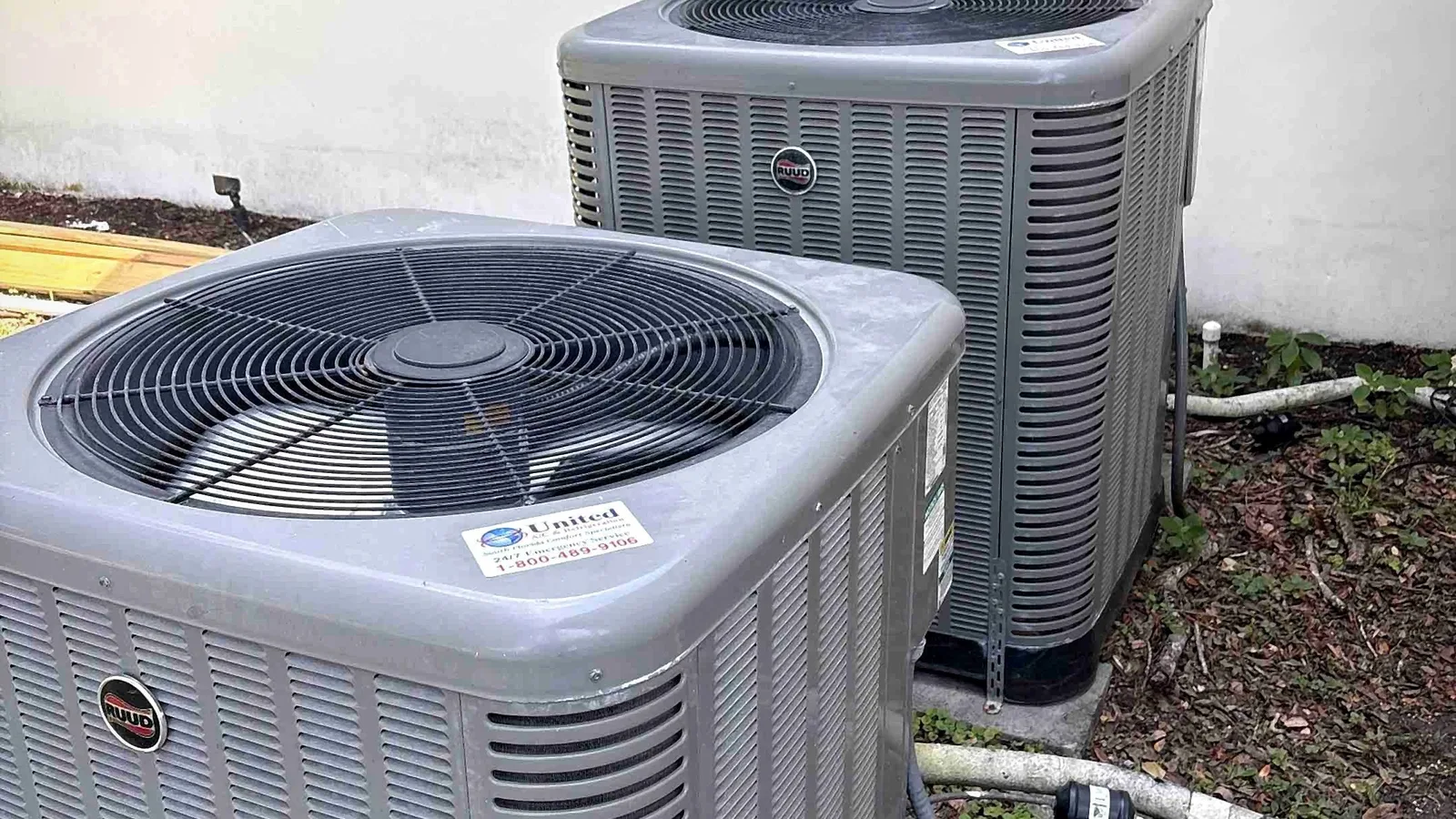
Are some AC brands really better than others?
Homeowners shopping for a new air conditioner often start by asking which brand is best, and it is a reasonable question that rarely has the clean answer people expect. The major residential manufacturers are closer in engineering than their advertising implies, and the meaningful differences between them are narrower and more specific than most comparison articles let on. Meanwhile the single biggest factor in how a system actually performs — sizing, refrigerant charge, duct condition, and the quality of the installation itself — has nothing to do with the badge on the outdoor unit. Understanding both halves of that is how you avoid overpaying for a name while underpaying for the work that determines whether the system actually performs.
There are real differences, but they are narrower than the marketing suggests, and they show up in specific places rather than across the board. Most major residential manufacturers compete within a similar band of efficiency, reliability, and features at any given price tier, because they are largely drawing components — compressors, in particular — from a small number of shared suppliers.
Where brands genuinely diverge
The real, verifiable differences tend to be in warranty structure and what it takes to keep it active, the depth and responsiveness of the local dealer network, how readily parts are stocked for repairs, and specific feature sets like communicating controls or variable-speed compressors at certain price points. These are worth comparing directly rather than taking on faith from an ad.
Where the marketing outruns the engineering
Claims about one brand's compressor being fundamentally more durable than another's, or one being meaningfully quieter across the board, rarely hold up to scrutiny once you compare like-for-like tiers. Two similarly priced systems from different manufacturers, installed identically, tend to perform and last similarly. The brand story sells; the installation performs.
Two similarly priced systems from different manufacturers, installed identically, tend to perform and last about the same — the brand story sells, the installation performs.
United A/C & RefrigerationDoes the installation really matter more than the equipment?
Yes, and this is the least marketed, most consequential fact in residential cooling. A correctly sized, correctly charged, well-installed mid-tier system will consistently outperform a premium system that was sized wrong, undercharged, or connected to leaky ductwork.
Sizing decides comfort and humidity
An oversized system, regardless of brand, cools the air quickly and shuts off before it has pulled the humidity out of it, leaving a house that feels cold and clammy at the same time. This is the single most common installation mistake in Florida and it happens across every brand equally, because it is a contractor error, not a manufacturing one.
Charge and ductwork decide the bill
A system charged even slightly off spec loses efficiency regardless of its rated number, and leaky attic ductwork can send a fifth of your cooled air into an unconditioned attic before it ever reaches a room. Neither shows up on a brochure, and both matter more to your actual electric bill than which name is stamped on the box. This is why a sound replacement is fundamentally a workmanship decision dressed up as an equipment one.
How should I actually compare brands when I'm quoted one?
Compare the whole package the contractor is offering, not just the equipment name. A brand is only as good as the dealer standing behind it in your area.
Ask about the warranty in practice
Manufacturer warranties typically cover parts but not labor, and most require registration within a window after installation to activate their full term — a step some installers forget to handle. Ask specifically who registers the warranty, what it covers, and whether the contractor offers any labor coverage of their own on top of it.
Ask about the dealer, not just the brand
A manufacturer's reputation means little if the local dealer network is thin, slow to respond, or unfamiliar with that specific product line. A contractor with deep, current experience installing and servicing a particular brand will get more out of it than a generalist installing whatever happens to be on the truck that week.
Why do some companies only sell one or two brands?
Focusing on fewer brands usually means deeper training, better parts stocking, and a more direct relationship with the manufacturer, which can genuinely benefit the homeowner rather than limit their choice. A contractor who installs and services a narrow set of product lines tends to know that equipment's quirks, common failure points, and correct setup procedures in more depth than one who carries a dozen brands thinly.
That depth shows up in faster diagnosis, more accurate warranty handling, and installers who are not learning a new lineup on your roof. It is a reasonable trade-off as long as the brand they focus on is a legitimate, well-supported product line rather than an obscure one chosen purely for cost, and it is worth asking any contractor directly why they favor the brands they do.
Why brand comparisons play out differently in South Florida
The brand debate matters less here than the climate-specific factors that most national comparisons never mention. A system in Broward or southern Palm Beach runs eight or nine months a year, often close to around the clock during peak summer, so installation quality and correct sizing get magnified across far more run hours than the same equipment would see up north — a sizing mistake that costs a little comfort in a mild climate costs a great deal here. Coastal exposure adds a factor that has nothing to do with brand reputation at all: salt air corrodes the outdoor coil and electrical contacts faster within a mile or two of the water, so a coastal-rated build and a dealer who understands that exposure matter more, in that setting, than which name is on the unit. And because permitting and inspection standards differ somewhat between Broward and Palm Beach counties, a local contractor's familiarity with the specific jurisdiction's requirements affects how smoothly the install and its final inspection actually go — another factor no brand comparison chart accounts for.
Serving Broward County and southern Palm Beach County from our shop in Deerfield Beach.
Questions and answers
What's the single most important factor when choosing a new AC?
Correct sizing and a quality installation, more than the brand. A load calculation based on your actual house, done by someone who will charge and set up the system correctly, has more effect on your comfort and bill than which manufacturer's name is on the unit. Choose a contractor you trust to do that work well first, then discuss brand options.
Do more expensive brands last longer?
Not reliably, and not by a wide margin within similar price tiers. Longevity is driven more by installation quality, maintenance, and environmental exposure — especially salt air near the coast — than by brand alone. A well-maintained mid-tier system regularly outlasts a neglected premium one.
Is Amana a good brand?
Yes, it is a well-established manufacturer with a solid reputation, and it is the line we have chosen as our primary dealer partner because of its build quality and warranty structure. We also service every other major brand, because a good installation and honest service matter more than which name a homeowner already has on their equipment.
Should I avoid off-brand or lesser-known AC manufacturers?
Generally, yes, mainly because of parts availability and dealer support rather than build quality alone. If a manufacturer has a thin dealer network in South Florida, getting parts or a warranty claim honored quickly can become a real problem years down the line, regardless of how the equipment performs on day one.
How much does variable-speed technology actually help in Florida?
It genuinely helps with humidity control, which matters a great deal in this climate. Variable-speed compressors run longer, gentler cycles that pull more moisture out of the air than a single-speed unit's short bursts, which is a real, noticeable comfort difference here. It is one of the few feature differences worth paying attention to across brands.
Can you help me compare the options without pushing one brand?
Yes, that is the point of talking it through rather than reading a spec sheet. Tell the assistant about your home, your priorities, and your budget range, and we will walk through the real trade-offs — equipment tier, sizing, and installation quality — honestly, rather than steering you toward whatever happens to be easiest to sell.
How we know this
This advice comes from what our technicians actually find on service calls in Broward County and southern Palm Beach — not from national HVAC copy. Salt-air corrosion on the barrier island, drain lines that block every wet season, and equipment running nine months a year are local realities, and they change the right answer.
Worth disclosing: we install Amana equipment, so we are not an independent reviewer. Where a brand or product is discussed we say what it is good and bad at, and we will tell you when the honest answer is to repair what you have or do nothing yet.
Talk to a technician
Have a question this raised? The assistant answers what it can, takes your details, and hands you to a real person who confirms the day and time.