
Why oversizing is the most common AC mistake
Bigger sounds better, and it is the instinct behind more bad AC decisions than any other. Here is what an oversized system actually costs you in comfort, humidity, and equipment life, and why it happens so often.
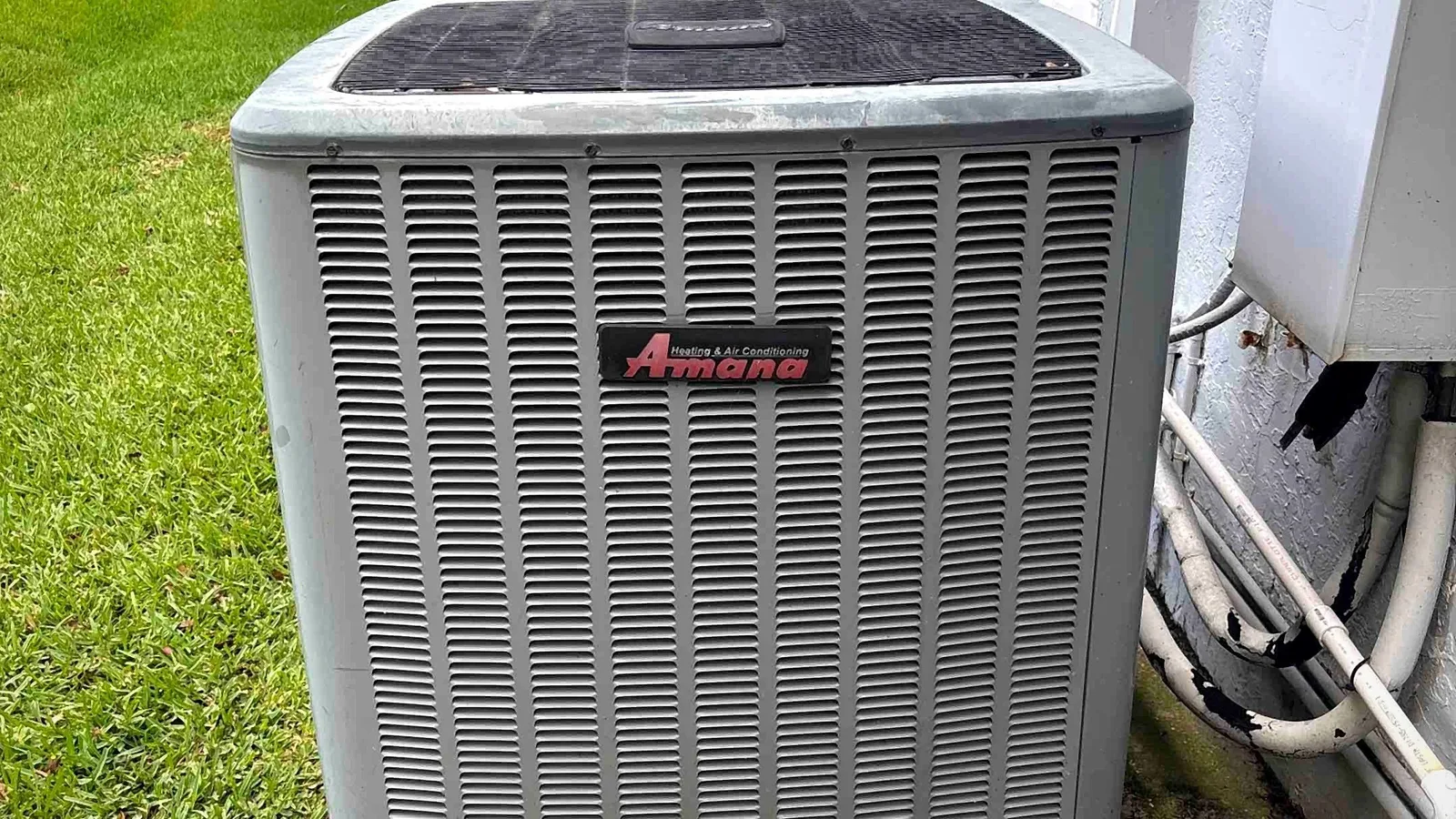
What actually happens when an AC is too big?
Oversizing is the single most common mistake we find when we look at a South Florida cooling system, and it almost always comes from a good intention: bigger felt safer. A larger system seemed like insurance against a hot summer, or was simply carried over from a previous, oversized unit without anyone questioning the number. The trouble is that an air conditioner does not work like a faucet, where more capacity just means more comfort on tap. It works on a cycle, and a system that is too big for the home breaks that cycle in ways that show up as damp air, uneven temperatures, and a shorter equipment life.
An oversized air conditioner cools a room to the thermostat setting quickly, and that is exactly the problem. Cooling is only half the job; removing humidity from the air is the other half, and humidity removal takes sustained runtime, not a fast blast of cold air.
Short cycling
A system that reaches its target temperature in a few minutes shuts off almost immediately, then starts again a short while later as the house reheats. This on-off pattern, called short cycling, is the signature of an oversized system, and it never gives the coil time to do its full job.
Cold, but not comfortable
The result is a house that reads the correct temperature on the thermostat while still feeling sticky, because the air itself still carries too much moisture. Homeowners often respond by lowering the setpoint further, which only repeats the same short cycle at a colder number rather than fixing the actual problem.
A house that reads cold on the thermostat and still feels damp is not cooling correctly; it is oversized.
United A/C & RefrigerationWhy does short cycling wear equipment out faster?
Every start-up draws a surge of current and puts mechanical strain on the compressor, the single most expensive component in the system. A correctly sized system might run through a handful of longer cycles a day; an oversized one can cycle many times more often, and each of those extra starts is wear that a correctly sized system never accumulates.
The parts that fail first
Capacitors, contactors, and compressors all have a finite number of start cycles in them, and oversizing spends that lifespan faster regardless of how well-built the equipment is. This is one of the quieter costs of oversizing: it does not just feel wrong, it genuinely shortens the life of a system that on paper looks more than capable.
Efficiency ratings that never get reached
A system's efficiency rating is measured over sustained, steady cycles. A unit that never runs long enough to reach that steady state performs well below its rated efficiency in real use, no matter what the label says.
How does oversizing happen in the first place?
Oversizing is rarely a single bad decision; it tends to compound over successive replacements.
Like-for-like replacement
The most common path is straightforward: a failing system is replaced with the same size, without anyone questioning whether the original installation was sized correctly to begin with. If the first system was oversized, and many older systems were, the replacement repeats the error indefinitely.
The bigger-for-safety instinct
Some oversizing is deliberate, on the theory that a larger system offers a safety margin against an unusually hot summer. In practice, a correctly sized system already has more than enough capacity to handle a design-day heat load, because that is precisely what a load calculation accounts for. The margin already exists in the math; adding more capacity on top of it does not add safety, it adds short cycling.
Contractor shortcuts
A rule-of-thumb estimate delivered on the spot, without measuring the home, tends to round up rather than down, since an undersized system produces an obvious, immediate complaint while oversizing's damage is quieter and slower to notice.
What are the signs a system is oversized?
A handful of patterns point toward oversizing more reliably than any single symptom on its own.
A house that feels cold and clammy at the same time, a system that cycles on and off in short bursts rather than running for longer stretches, noticeably uneven temperatures between rooms, and a thermostat that seems to be satisfied quickly while the air still feels heavy are all consistent with a system too large for the home. None of these alone is conclusive, since other issues can cause similar symptoms, but the combination is a strong signal worth having checked, particularly if the system was sized as a like-for-like replacement rather than from a fresh calculation.
The fix is not a smaller version of the same guess; it is a proper load calculation that sizes the next system to the home rather than to the equipment it is replacing.
Why oversizing is especially costly in this climate
South Florida makes the humidity side of oversizing worse than it would be in a drier climate, because the air here carries so much more moisture to begin with. An oversized system in a dry western state might still leave a house feeling merely average; the same mistake here leaves a house that is cold and damp at once, with the clamminess showing up on furniture, in closets, and along exterior walls long before mold or mildew become visible problems. The long cooling season compounds it further: a system here runs eight or nine months a year, so an oversized unit accumulates its extra start cycles and its wasted humidity-removal potential far faster than the same mistake would in a four-season climate. It shows up most clearly in older concrete block homes that were fitted with a bigger unit at some point in their history, often during a past replacement, and have carried that oversized cycle ever since without anyone questioning it. Correcting the sizing on the next replacement is usually the single biggest comfort improvement available to those homes.
Serving Broward County and southern Palm Beach County from our shop in Deerfield Beach.
Questions and answers
Is a bigger AC unit always worse?
Not always, but oversizing is a specific and common problem, not a safety margin. A system sized correctly by a load calculation already accounts for the hottest days the climate produces. Adding capacity beyond that point tends to cause short cycling and poor humidity removal rather than better performance.
Why does my house feel cold but still humid?
This is the classic sign of an oversized system. It cools the air to the thermostat setting quickly and shuts off before it has run long enough to pull much moisture out of the air, so the temperature reads correctly while the air itself still feels damp.
Does oversizing actually shorten the life of my AC?
Yes. Short cycling means more start-ups, and every start-up strains the compressor and other components more than a longer, steady run does. A correctly sized system that runs fewer, longer cycles typically experiences less wear over the same number of years.
How do I know if my current system is oversized?
Frequent short cycles, cold but clammy air, and uneven room temperatures are common signs, though none is conclusive on its own. The reliable way to know is a load calculation performed against your actual home, which tells you what capacity the house needs regardless of what is currently installed.
If my old system was oversized, will the replacement be too?
Only if it is sized the same way, as a like-for-like swap rather than from a fresh calculation. This is the most common way oversizing perpetuates itself across replacements. Asking for the sizing to be recalculated, rather than matched to the old equipment, breaks that cycle.
Can an oversized system be fixed without replacing it?
Rarely in a meaningful way. Oversizing is a capacity mismatch built into the equipment itself, not a setting that can be adjusted. Some improvements to airflow and controls can soften the symptoms, but the lasting fix is correct sizing at the next replacement.
How we know this
This advice comes from what our technicians actually find on service calls in Broward County and southern Palm Beach — not from national HVAC copy. Salt-air corrosion on the barrier island, drain lines that block every wet season, and equipment running nine months a year are local realities, and they change the right answer.
Worth disclosing: we install Amana equipment, so we are not an independent reviewer. Where a brand or product is discussed we say what it is good and bad at, and we will tell you when the honest answer is to repair what you have or do nothing yet.
Talk to a technician
Have a question this raised? The assistant answers what it can, takes your details, and hands you to a real person who confirms the day and time.