
Heat pump versus straight-cool AC in Florida
In a climate this warm, the choice between a heat pump and a straight-cool system comes down to one question most homeowners have not thought about: what happens on the handful of nights a year it actually gets cold.
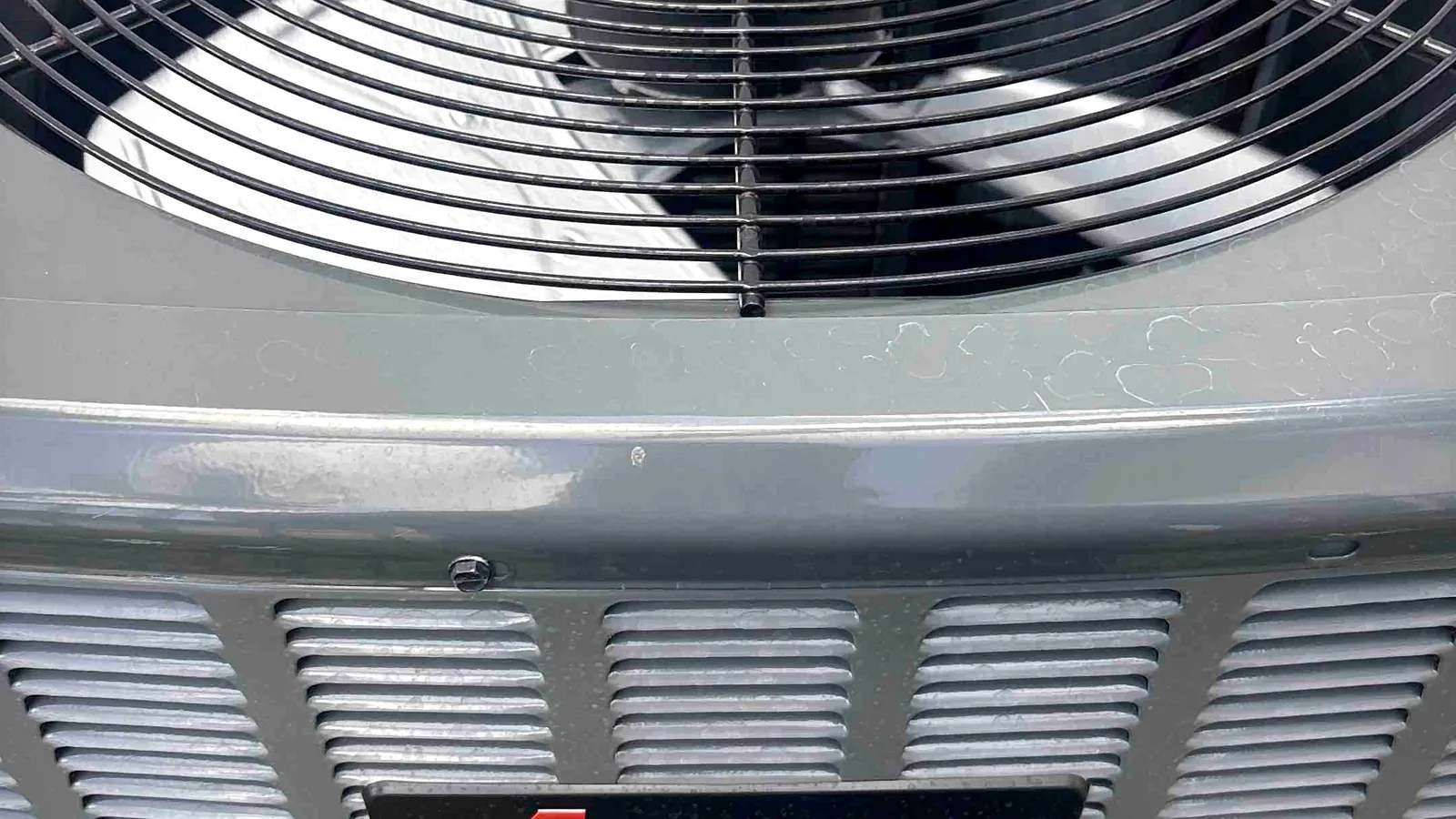
What is the actual difference between the two?
Straight-cool and heat pump systems look nearly identical from the driveway and cool a South Florida home in essentially the same way, which is why the choice between them confuses more homeowners than it should. Both use the same refrigeration cycle to move heat out of the house, and both are common, reliable choices here. The difference that actually matters is what each one can do when the outside temperature drops rather than rises, which in this climate happens rarely, but not never.
A straight-cool system moves heat in one direction only: out of the house. It is an air conditioner in the traditional sense, built to remove heat and humidity from indoor air and reject it outside, and it has no mechanism to run the other way.
What makes a heat pump different
A heat pump uses the same refrigeration components, but with a reversing valve that lets the system run in either direction. In cooling mode it works exactly like a straight-cool system, removing heat from inside the home. Switched into its other mode, it pulls what little heat exists in the outside air and moves it indoors instead, providing gentle warmth without any flame, gas line, or furnace involved.
In cooling mode the two systems are the same machine; the only real question is what happens on the one cold night a year.
United A/C & RefrigerationDo heat pumps cool as well as straight-cool systems?
Yes. In cooling mode a heat pump and a straight-cool system perform essentially the same job with the same components, and efficiency ratings between comparable models are close. Neither has a meaningful cooling advantage over the other in a South Florida summer, which is why the decision should not be framed as one cooling better than the other.
Where the technology is identical
The compressor, the coils, and the refrigerant cycle doing the cooling work are the same in both systems. The only additional part in a heat pump is the reversing valve and the controls that manage it, which sit dormant during the many months the system spends purely cooling.
When does the heating side of a heat pump actually matter here?
Rarely, but not never. South Florida sees genuine cold snaps most winters, nights and occasional stretches of days where temperatures drop enough that a home without any heat source at all feels uncomfortable, particularly for anyone sensitive to the cold, older residents, or homes with large tile floors that hold the chill.
Gentle heat, not a furnace
United does not install furnaces or any gas heating equipment, and a heat pump is not one either — it simply reverses its own cooling cycle to move modest warmth indoors, enough to take the edge off a cold snap rather than replace a heating system the way a furnace would in a colder climate. For the handful of nights a year this matters, it is a meaningful comfort difference between having a warm option and having none.
What are the real trade-offs to weigh?
The comparison comes down to upfront cost against how much the cold-snap scenario matters to a specific household, rather than any difference in cooling performance or day-to-day running cost.
Cost and complexity
A heat pump costs somewhat more than an equivalent straight-cool system because of the added reversing valve and controls, and there is marginally more that can need service over the system's life, though the added components are well proven and not a significant reliability concern. A straight-cool system is the simpler, less expensive option when the reverse-heating feature would never be used.
Who tends to prefer which
Households with older residents, anyone who runs cold easily, or homes that otherwise have no supplemental heat source at all tend to value the heat pump's cold-snap capability. Homeowners who are comfortable using a small space heater on the rare cold night, or who simply do not mind the cold, often find a straight-cool system serves them just as well for less.
Is a heat pump the same as central air with a backup heater?
No, and this is a common point of confusion. Some homes pair a straight-cool system with electric resistance strip heat as a backup, which is a different approach entirely — strip heat works by directly heating air with electrical resistance, similar to a toaster, and is far less efficient than a heat pump's reverse-cycle method of moving existing heat rather than generating it. A heat pump's heating mode is simply the same efficient refrigeration cycle running backward, which is why it costs far less to operate on a cold night than resistance heat does for the same warmth. Either way, neither approach in a system United installs involves a furnace or gas heat of any kind.
Why this decision looks different than it does up north
Anywhere with a real winter, the heating side of this decision dominates, because the system has to carry the home through months of cold. In South Florida the calculation flips almost entirely to cooling, with heating mode reduced to a handful of nights most years, occasionally a stretch of several days when a strong cold front pushes through Broward and southern Palm Beach. That reframes the whole choice: it is not about which system heats a home adequately through winter, since neither is designed to, but about whether having any warmth beyond a portable heater is worth the modest added cost of a heat pump for those few nights. Older residents and households in homes with tile throughout, which holds cold rather than insulating against it, tend to notice those cold snaps more than the calendar would suggest. Coastal homes see slightly milder winter lows than inland areas west toward the Everglades, which is a small factor worth mentioning to whoever is helping size and select the system, since it can nudge the decision either way depending on where in the region a home actually sits.
Serving Broward County and southern Palm Beach County from our shop in Deerfield Beach.
Questions and answers
Is a heat pump more expensive to run than straight-cool in summer?
No. In cooling mode the two systems use the same refrigeration cycle and comparable efficiency, so summer running costs are essentially the same. Any cost difference between them shows up only if the heating mode is used, and even then a heat pump's reverse-cycle heat is efficient compared with resistance-based alternatives.
Does a heat pump replace the need for a furnace in Florida?
Florida homes generally do not need a furnace at all, and United does not install them. A heat pump provides gentle supplemental warmth for the rare cold snap, which is a different job than a furnace does in a genuinely cold climate. Think of it as cold-night comfort, not a heating system.
Will a heat pump keep my house warm during a real cold front?
It will take the edge off, providing steady, gentle heat during the region's occasional cold snaps, but it is not built to replicate the output of a true heating system. For most South Florida homes that is entirely sufficient, since prolonged severe cold is uncommon here.
Do heat pumps need more maintenance than straight-cool systems?
Only marginally. The added reversing valve and controls are well-proven components with a strong reliability record, and the core maintenance — filters, coil cleaning, refrigerant checks — is identical between the two. Regular maintenance matters equally for both system types.
Is a heat pump worth it if I never use the heating mode?
Probably not. If a household is comfortable using a portable heater on the rare cold night, or simply does not mind the cold, a straight-cool system delivers the same cooling performance for less upfront cost, since the extra expense of a heat pump is entirely in the heating capability.
How do I decide between the two for my home?
Start with how much the occasional cold snap matters to the people living there, then weigh that against the modest price difference. Tell the assistant about your household and your current system, and it will walk you through the trade-off honestly rather than upselling the heat pump by default.
How we know this
This advice comes from what our technicians actually find on service calls in Broward County and southern Palm Beach — not from national HVAC copy. Salt-air corrosion on the barrier island, drain lines that block every wet season, and equipment running nine months a year are local realities, and they change the right answer.
Worth disclosing: we install Amana equipment, so we are not an independent reviewer. Where a brand or product is discussed we say what it is good and bad at, and we will tell you when the honest answer is to repair what you have or do nothing yet.
Talk to a technician
Have a question this raised? The assistant answers what it can, takes your details, and hands you to a real person who confirms the day and time.