
Ice machine cleaning frequency
Cleaning and sanitizing an ice machine are two different jobs on two different clocks, and most kitchens are unclear on both. Here is a realistic cleaning schedule, what each type of cleaning actually accomplishes, and how to spot a machine that has fallen behind.
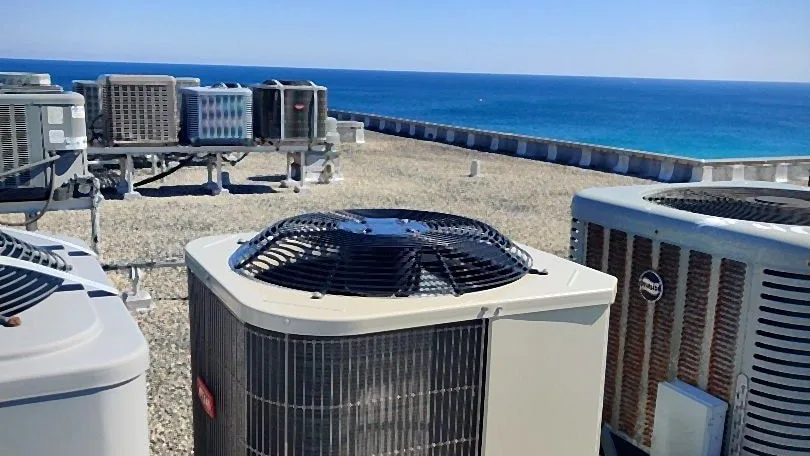
How often does a commercial ice machine actually need cleaning?
An ice machine is one of the few pieces of commercial kitchen equipment that produces food directly, yet it is often the one that gets the least routine attention, tucked in a back corner and left running until something visibly goes wrong. A realistic cleaning schedule is not complicated, but it does depend on more than a single fixed date on a calendar — usage, water quality, and where the machine sits in the kitchen all affect how quickly it actually needs attention. Getting the frequency right protects both ice quality and the equipment itself, and it is far cheaper than catching a problem after it has already affected what customers are drinking.
Most manufacturers recommend a full clean and sanitize of a commercial ice machine at least twice a year as a baseline, and busy kitchens, high-volume bars, or locations with harder water frequently need it more often than that. That twice-yearly figure is a floor, not a target, and it assumes moderate use and reasonably favorable water conditions.
What actually drives the real-world frequency
Usage volume matters more than almost anything else: a machine running near capacity for most of the year accumulates buildup far faster than one used lightly. Water hardness matters too, since harder water speeds up the mineral scale that a cleaning cycle needs to remove, covered in more depth in our guide to ice machine scale buildup. Where the machine physically sits also plays a role — one positioned near a fryer line or a dish pit is exposed to more grease-laden or humid air than one in a cleaner, drier spot, and it will need attention on a shorter cycle as a result.
Following the manufacturer's guidance as a starting point
The specific machine's manual is the right starting point for baseline frequency, since design and self-cleaning features vary between models. From there, actual conditions in your kitchen — not the generic schedule alone — should shape how often you actually clean.
Cleaning and sanitizing solve two different problems on two different clocks, and a machine that only gets one of the two will still let you down.
United A/C & RefrigerationWhat's the difference between cleaning and sanitizing?
These are two distinct tasks that are often lumped together but address different problems.
Cleaning removes scale and mineral buildup
Cleaning targets the mineral deposits — scale — that accumulate on the evaporator, water lines, and other food-contact surfaces as water evaporates or freezes and leaves dissolved minerals behind. This is a water-chemistry problem, and it is the focus of a dedicated descaling solution run through the machine's water system.
Sanitizing kills mold, slime, and bacteria
Sanitizing is a separate step aimed at the bin, dispensing chute, and any surface exposed to warmth and moisture where mold, algae, or bacterial slime can grow. This is a biological problem rather than a mineral one, and it needs a food-safe sanitizing solution rather than a scale remover, even though both steps typically happen during the same service visit.
Why both matter, and why one without the other falls short
A machine that gets descaled regularly but never sanitized can still develop the black mold spots or pink slime that show up in a bin left too long without attention, and a machine that gets sanitized but never descaled will still lose efficiency and ice quality to mineral buildup. A complete service addresses both.
What are the signs your ice machine is overdue?
A handful of clear signs tell you a machine has fallen behind schedule, independent of what the calendar says.
Taste, odor, and appearance
Ice that tastes musty, metallic, or simply off, or that has a noticeable smell, is one of the clearest signals something needs attention. Visible black spots, pink or orange slime, or a slimy film anywhere in the bin or on the chute means mold or bacterial growth has taken hold and needs immediate sanitizing, not just a routine wipe-down.
Production and ice quality
Slower-than-usual ice production, cubes that are smaller than normal, cloudy, or fused into clumps, often points to scale interfering with the machine's water distribution, which overlaps with the signs covered in our scale buildup guide but is worth watching for on its own as a cleaning-schedule indicator.
Physical buildup you can see
A visible white or chalky crust anywhere inside the machine, or a bin that looks dingy despite regular ice removal, means the machine is overdue for a full service, not just a surface wipe.
Does the condenser need cleaning too?
Yes, and it is frequently the most overlooked part of ice machine upkeep in a working kitchen. The condenser, on an air-cooled machine, relies on airflow across its coil to reject heat efficiently, and a kitchen environment loaded with grease-laden air, flour dust, or general debris coats that coil faster than almost any other setting. A dirty condenser forces the refrigeration system to work harder to reject the same amount of heat, which raises head pressure, reduces ice production, and adds wear the same way a scaled evaporator does on the water side. Unlike the water-contact surfaces, the condenser does not need food-safe cleaners, just a proper coil brush or low-pressure air to clear buildup without bending the fins. Because it sits outside the ice-making circuit entirely, it is easy to forget during a routine clean-and-sanitize focused on the bin and evaporator, but neglecting it undermines the benefit of keeping the rest of the machine clean. This is a task worth folding into the same visit as broader commercial refrigeration service rather than treating as separate.
Should staff clean it themselves, or call a professional?
A useful split exists between what staff can safely manage day to day and what genuinely needs a professional visit. Wiping down the exterior, keeping the bin scoop stored properly rather than left sitting in the ice, and doing a quick visual check for slime or discoloration are all reasonable staff-level habits that catch problems early between full services. A complete descale and sanitize, however, involves running chemical solutions through the machine's internal water system in a specific sequence, followed by a thorough rinse to ensure no residue remains, and it typically requires briefly disassembling parts of the ice-making assembly. Getting that sequence wrong risks leaving chemical residue in contact with food or damaging components, which is why the full service is worth having a technician handle, particularly when it is paired with an inspection of the refrigeration side of the machine at the same time.
Why South Florida ice machines need attention more often
A few local factors push the realistic cleaning frequency here above the generic twice-a-year baseline for a lot of commercial kitchens. Heat and humidity accelerate mold and bacterial growth in any warm, moist environment, and a bin that goes a little too long between sanitizing cycles here will develop slime or odor noticeably faster than the same lapse would in a drier, cooler climate. The near-constant demand for ice through most of the year, covered from the water-quality angle in our scale buildup guide, also means more total runtime and more opportunities for buildup to accumulate between services than a machine facing a short, mild season would see in a colder-climate market. Storm season adds one more consideration specific to this area: after an extended power outage, an ice machine that sat warm and stagnant deserves a full sanitizing pass before it goes back into service, even if it is not yet due on the regular schedule, since standing water and warmth for even a day or two is exactly the condition mold and bacteria need to establish themselves. Building that outage check into the kitchen's routine is a small step that avoids a much bigger problem the first busy weekend after the power comes back.
Serving Broward County and southern Palm Beach County from our shop in Deerfield Beach.
Questions and answers
How do I know if my ice machine's twice-a-year schedule is actually enough?
Watch the machine's actual behavior between services rather than trusting the calendar alone. If ice quality, taste, or bin cleanliness starts slipping noticeably before the next scheduled visit, that is a clear sign your real-world usage and water conditions call for a shorter interval than the generic baseline.
What is that pink or orange slime in my ice bin?
It is typically a form of bacterial or algae growth that thrives in warm, moist environments, and it needs a proper sanitizing pass rather than just a rinse or wipe-down. It is a sign the machine is overdue for service and should be treated as a food-safety issue, not just a cosmetic one.
Can I use regular kitchen cleaning chemicals on my ice machine?
No. Ice machines need food-safe, machine-approved descaling and sanitizing solutions specifically formulated for food-contact equipment, run through the system in a proper sequence with a thorough rinse afterward. General kitchen cleaners can leave harmful residue or damage internal components, so this is not a task to improvise with whatever is on the shelf.
Does a dirty condenser really affect ice production?
Yes. A condenser coated in grease, dust, or debris cannot reject heat as efficiently, which forces the refrigeration system to work harder and typically reduces ice output while increasing wear. It is an easy part to overlook since it is not food-contact, but neglecting it undermines the rest of the machine's performance.
Should I clean my ice machine after a power outage?
It is a good idea, especially after an extended outage. A machine that sat warm and stagnant for a day or more creates favorable conditions for mold and bacteria to establish themselves, and a sanitizing pass before returning it to service is a reasonable precaution even if it falls outside the normal schedule.
Is cleaning frequency connected to passing a health inspection?
Yes, generally. Ice is food-contact product, and an inspector who finds visible buildup, slime, or off-tasting ice is likely to flag it. A documented cleaning and sanitizing routine, similar in spirit to a refrigeration temperature log, gives you a record that the equipment is being properly maintained rather than only reacting after a problem appears.
How we know this
This advice comes from what our technicians actually find on service calls in Broward County and southern Palm Beach — not from national HVAC copy. Salt-air corrosion on the barrier island, drain lines that block every wet season, and equipment running nine months a year are local realities, and they change the right answer.
Worth disclosing: we install Amana equipment, so we are not an independent reviewer. Where a brand or product is discussed we say what it is good and bad at, and we will tell you when the honest answer is to repair what you have or do nothing yet.
Talk to a technician
Have a question this raised? The assistant answers what it can, takes your details, and hands you to a real person who confirms the day and time.