
What AC installation day actually involves
Replacing a central air system is a bigger job than swapping a box outside, even though most of the work happens out of sight. Here is what actually happens on installation day, step by step, and how long it honestly takes.
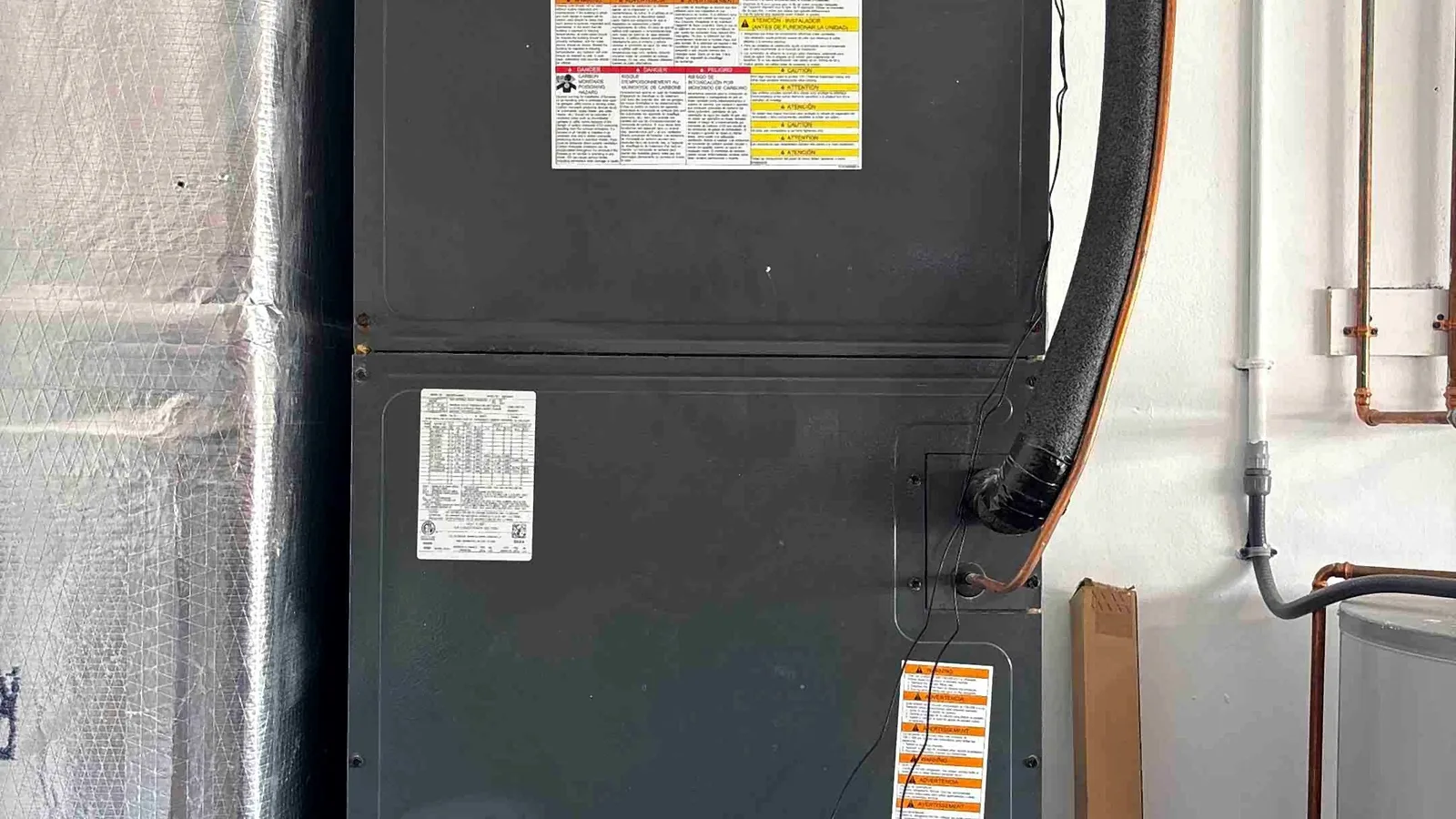
How long does a real installation actually take?
Installation day is the part of an AC replacement homeowners think about least and worry about most, mainly because so little of it is visible from the living room. The work happens in a closet, an attic, and a slab outside, while the rest of the house goes on more or less normally. Knowing the actual sequence — what comes out, what gets checked, what gets replaced, and what a technician verifies before calling the job finished — makes it easier to tell a properly done installation from one that was rushed, and it sets honest expectations for how the day will actually go.
A full system replacement, indoor and outdoor equipment together, typically takes the better part of a working day for an experienced crew, sometimes longer for a home with unusual attic access, ductwork issues discovered along the way, or a package-unit-to-split-system change.
What extends the timeline
Attic work in a South Florida summer is physically demanding and slower than working at ground level, and any surprise found once the old equipment is out — damaged ductwork, an undersized electrical disconnect, or corrosion in a line set — adds time to address it correctly rather than around it. A same-day completion is normal for a straightforward job; a job that legitimately needs two days is not a red flag on its own if the reason is explained.
Setting the new equipment in place is the midpoint of installation day, not the finish line; commissioning is what actually confirms the job is done.
United A/C & RefrigerationWhat happens to the old system?
The old system does not simply get unplugged and hauled away; removing it correctly is its own sequence of steps.
Refrigerant recovery
Refrigerant in the old system is recovered into a container with dedicated equipment, not vented into the air, which is both an environmental requirement and simply the correct way to handle it. Venting refrigerant is illegal and is not something a licensed technician does.
Removing the equipment
The outdoor condenser is disconnected electrically and from the refrigerant lines, then removed from its pad. The indoor air handler or coil is disconnected from ductwork, the condensate drain, and its electrical and refrigerant connections, then removed from the closet or attic. Both are typically hauled away for proper recycling as part of the job.
What gets inspected or replaced along the way?
A careful installation checks several things that are easy to skip but expensive to ignore.
The line set
The copper refrigerant lines connecting indoor and outdoor equipment are inspected for damage, corrosion, and correct insulation, and are often replaced rather than reused, particularly on an older home, since a compromised line set can undermine an otherwise new system.
The electrical disconnect and wiring
The outdoor disconnect, wiring, and breaker are checked against the new equipment's requirements, since a system with modern electronics can have different needs than what it is replacing. Any mismatch gets corrected as part of the install, not left for a callback.
The pad and condensate drain
The outdoor pad is checked for level and condition, and the condensate drain line, which carries moisture away from the indoor coil, is cleared and tested, since a clogged drain is one of the more common nuisance issues in a new system's first year.
What happens when the new equipment goes in?
Setting the new equipment in place is only the midpoint of the day, not the finish line.
The new outdoor unit is set on the pad and leveled, connected to the line set, and wired. The new indoor equipment is set in its closet or attic space, connected to the existing or reworked ductwork, and its condensate drain and electrical connections are completed. The system is then evacuated to remove air and moisture from the lines before it is charged with refrigerant to the manufacturer's specification, a step that matters more than it sounds, since an incorrect charge undermines both efficiency and cooling capacity regardless of how good the equipment itself is.
How does a technician confirm the job is actually done right?
Commissioning is the step that separates a properly finished installation from one that was simply powered on and left.
What gets checked before the crew leaves
A thorough technician verifies refrigerant pressures and superheat or subcooling against the equipment's specification, checks airflow at the vents, confirms the thermostat is communicating correctly with the new equipment, and tests that the system responds properly to a cooling call. This is also the point where a leftover sizing or duct issue, if one exists, tends to show up.
The walkthrough
Before packing up, you should be shown the new thermostat, told what the new filter size and change interval are, and given the chance to ask questions about the system or the maintenance that keeps it running well. This is also when warranty registration should be filed, not left for you to chase down later. A crew that leaves without this conversation has skipped a meaningful part of the job.
What South Florida adds to a normal installation day
A few things about installation day here differ from a milder climate, mostly tied to the housing stock and the weather itself. Attic work in the summer heat is genuinely grueling, and a well-run crew paces it accordingly rather than rushing through a step that needs care, particularly the refrigerant charge and the ductwork connections. Many homes in Broward and southern Palm Beach, especially older concrete block construction, have line sets and electrical setups that were never touched since the original installation decades ago, which is exactly the kind of thing a careful crew catches during removal rather than after the new system is already running. Permitting also differs by jurisdiction: Broward and Palm Beach counties, and the municipalities within them, each have their own permitting and inspection requirements for a full system replacement, and a legitimate installation is pulled and inspected under permit rather than done quietly to save time. If a scheduled installation is delayed by a sudden afternoon storm, common through the wet season, that is a safety call about working around live electrical connections and rooftop or attic access in a downpour, not a sign of disorganization.
Serving Broward County and southern Palm Beach County from our shop in Deerfield Beach.
Questions and answers
How long should I expect to be without AC during installation?
For most of the working day, since the old system has to come out before the new one goes in. A well-organized crew minimizes the gap, and Florida installations are generally scheduled to avoid leaving a home without cooling overnight. Ask your installer directly what the expected timeline is for your specific job.
Do I need to be home during the installation?
You should be home, or reachable, at the start for a walkthrough of the work and again at the end for the commissioning walkthrough and any questions. Many homeowners step out for parts of the day once the work is underway, which is fine as long as someone can be reached if a decision comes up.
Will the crew need to go in my attic?
Almost always, if the air handler is located there, which is common in South Florida homes. Expect some noise and activity from that space through the day, and expect the crew to take reasonable breaks given how hot an attic gets here, which can add time to the schedule.
Is a permit actually required for a full AC replacement?
Yes, in Broward and Palm Beach counties a full system replacement requires a permit and inspection. A legitimate installer pulls it as part of the job rather than skipping it, and it protects you as the homeowner if anything about the installation is ever in question later, including for insurance or resale.
What should I have ready before installation day?
Clear access to the attic or indoor mechanical space and to the outdoor unit's location, and any pets secured away from the work areas. Beyond that, there is little to prepare; the crew brings the equipment and materials, and a good installer will tell you in advance if anything specific is needed for your home.
How do I know if my installation was actually done correctly?
Ask whether commissioning was performed — refrigerant pressures checked, airflow verified, the thermostat confirmed working with the new equipment — and whether you received a walkthrough before the crew left. A rushed installation that skips these steps can look identical to a correct one until a problem shows up later. The assistant can help you know what to ask for.
How we know this
This advice comes from what our technicians actually find on service calls in Broward County and southern Palm Beach — not from national HVAC copy. Salt-air corrosion on the barrier island, drain lines that block every wet season, and equipment running nine months a year are local realities, and they change the right answer.
Worth disclosing: we install Amana equipment, so we are not an independent reviewer. Where a brand or product is discussed we say what it is good and bad at, and we will tell you when the honest answer is to repair what you have or do nothing yet.
Talk to a technician
Have a question this raised? The assistant answers what it can, takes your details, and hands you to a real person who confirms the day and time.