
Refrigerant compliance for businesses
Federal rules govern how commercial refrigeration and cooling equipment is serviced, tracked, and eventually transitioned to newer refrigerants. Here is what business owners generally need to know, in plain terms, and where to confirm the current specifics.
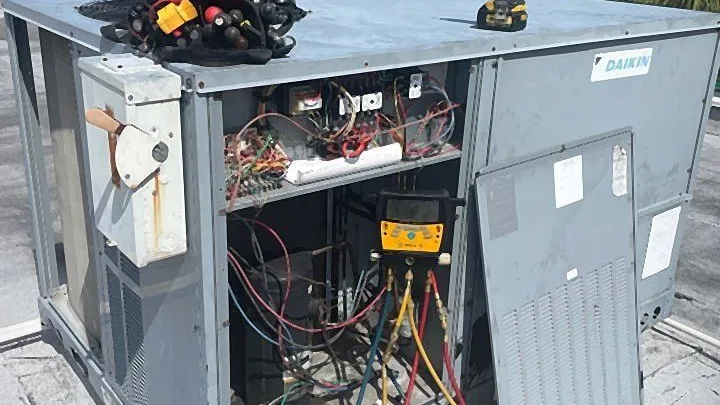
Why are refrigerants regulated at all?
Refrigerant compliance is one of those topics that business owners know they should understand and rarely get a straight explanation of, because most of what is written about it is either a dense regulatory summary or a sales pitch dressed up as one. In general terms, federal environmental rules govern how refrigerants used in commercial cooling and refrigeration equipment are handled, how leaks are expected to be addressed, and how the industry is phasing away from certain older refrigerants over time. None of this is exotic once it is laid out plainly, but the specifics change as rules are updated, so this is meant as an honest orientation, not a substitute for confirming current requirements with a qualified compliance source.
Refrigerants are regulated because many of them, if released into the atmosphere, contribute to environmental harm — historically ozone depletion, and more recently climate impact from certain classes of refrigerant. Federal environmental rules exist to limit how much refrigerant escapes into the air over the life of a piece of equipment.
What that means in practice
In practice, it shapes three things for a business that owns cooling or refrigeration equipment: how leaks are supposed to be found and addressed once identified, what records are expected to be kept about refrigerant use on larger systems, and who is legally allowed to buy, handle, and recover the refrigerant itself. None of these are unusual asks for a well-run operation — they mostly formalize practices a responsible service company already follows.
This is general guidance, not a citation
Specific thresholds, reporting requirements, and deadlines are set and updated by federal regulation, and they are not something to rely on secondhand. If your business needs to confirm an exact requirement — a leak-rate threshold, a recordkeeping obligation, a phase-down date — that is worth verifying directly with your service provider or a compliance professional rather than treating any general article, including this one, as the final word.
A system that is low on refrigerant is low because it leaked; topping it off addresses the symptom, not the cause.
United A/C & RefrigerationWhat does leak repair generally involve?
When a system leaks refrigerant, the general expectation is that the leak gets found and repaired, not simply topped off. This is both an environmental requirement in spirit and, frankly, good business sense — a system that keeps leaking keeps losing refrigerant and keeps costing money and losing capacity.
Why topping off is not a fix
Refrigerant does not get consumed by normal operation; a system that is low on charge is low because it leaked. Adding refrigerant without finding and sealing the source addresses the symptom, not the cause, and on larger commercial systems that pattern is exactly what regulatory attention is aimed at curbing. A reputable service approach finds the leak, repairs it, and confirms the fix before recharging.
Recordkeeping
Larger commercial systems generally carry some expectation of documented service history — what refrigerant was added, when, and why — both for your own maintenance record and because certain equipment sizes and refrigerant types fall under more formal tracking. The specifics of what applies to your equipment are worth confirming rather than assumed, since they depend on system size and refrigerant type.
What is the refrigerant phase-down, and does it affect my equipment?
The industry has been moving away from certain older refrigerants for years, and that transition is ongoing rather than a single past event. Refrigerants once standard in commercial equipment — including R-22 and, more recently, the R-410A phase-out familiar from residential systems — have been phased down or restricted, with newer refrigerants taking their place in equipment sold today.
What it means for equipment already in service
Existing equipment using an older refrigerant is not typically required to be replaced on the spot; the phase-down generally affects new production and availability of the refrigerant itself over time, which can affect the cost and ease of servicing older equipment as supply tightens. This is a genuine factor worth discussing honestly when an aging refrigeration system is due for a major repair versus replacement, since the calculus shifts as older refrigerant becomes harder to source.
Confirm before you decide
Exactly which refrigerants are affected, on what timeline, applies differently depending on your equipment's age and type, and it changes as regulations are updated. This is a conversation to have directly with your service provider using current information, not a decision to make off a general date remembered from a few years back.
Who is actually allowed to work on refrigerant systems?
Only individuals holding the appropriate federal certification are legally permitted to purchase most refrigerants and to handle, recover, or evacuate them from equipment. This is not a formality — it is a genuine legal restriction, and it is one of the clearer, most stable pieces of the regulatory picture.
For a business owner, the practical takeaway is straightforward: any service touching refrigerant on your commercial equipment should be performed by a properly certified technician, and it is entirely reasonable to ask a service provider about their certifications before work begins. Beyond protecting you from compliance exposure, a certified technician handling refrigerant correctly is also simply the difference between a leak getting found and fixed versus quietly recurring. If you are unsure whether recent service on your equipment met this standard, that is worth asking about directly rather than assuming.
Why this matters for South Florida operators specifically
Commercial refrigeration and cooling equipment in South Florida works harder than almost anywhere else in the country, and that has a direct bearing on compliance in practice, even though the rules themselves are federal and not regional. Systems here run nearly year-round, which means more total run hours, more wear on seals and fittings, and statistically more opportunities for a slow leak to develop than in a climate with a real off-season. Salt air along the coastal corridor accelerates corrosion on outdoor components, and a corroded fitting is a common source of the kind of refrigerant leak that compliance rules are built around addressing. For a business with equipment on a Broward rooftop or a walk-in near the coast, that combination of heavy use and corrosive exposure means leak checks are not just a regulatory checkbox, they are a genuinely useful early-warning habit. Multi-site operators in particular benefit from folding a refrigerant leak check into every routine visit, since it is far cheaper to catch a small leak on a scheduled stop than to discover it as a warm walk-in on a Saturday afternoon. None of this changes what the federal rules say, but it is a fair account of why this region has more reason than most to take leak response seriously.
Serving Broward County and southern Palm Beach County from our shop in Deerfield Beach.
Questions and answers
Do I need to report every refrigerant leak to a federal agency?
Reporting and recordkeeping obligations depend on your equipment's size, refrigerant type, and the amount involved, and the specific thresholds are set by federal regulation. Rather than guess, confirm your specific obligations with your service provider or a compliance professional who can look at your actual equipment and circumstances.
Can I just have refrigerant added without a leak investigation?
That is generally discouraged and, for many commercial systems, not compliant practice, because refrigerant loss means a leak exists somewhere. A reputable technician will look for the source rather than simply recharging the system, both because it is the right technical approach and because repeated top-offs without repair is the pattern regulations are aimed at reducing.
Is my older refrigeration system going to become illegal to use?
Not on its own from simply continuing to operate. Phase-down rules generally target new production and availability of certain refrigerants over time rather than banning existing equipment outright, though servicing older equipment can become more difficult or costly as supply of its refrigerant tightens. Confirm the current status for your specific equipment and refrigerant type with your service provider.
How do I know if my technician is properly certified to handle refrigerant?
It is entirely reasonable to ask directly, and a legitimate service provider will have a clear answer. Only certified technicians may legally purchase and handle most refrigerants, so asking about certification before work begins is a fair and normal question, not an unusual one.
Should I plan to replace equipment ahead of a refrigerant phase-down?
It depends on your equipment's age, condition, and refrigerant type, and it is worth a direct conversation rather than a preemptive decision based on a general phase-down timeline. Sometimes the honest answer is to keep servicing what you have; sometimes an aging system nearing a major repair is a reasonable point to weigh replacement instead.
Where can I get the current, exact regulatory requirements for my business?
Directly from your refrigeration service provider or a compliance professional who can review your specific equipment, size, and refrigerant type, since exact thresholds and rules are set by federal regulation and do change. Treat any general explanation, including this one, as orientation rather than a citation.
How we know this
This advice comes from what our technicians actually find on service calls in Broward County and southern Palm Beach — not from national HVAC copy. Salt-air corrosion on the barrier island, drain lines that block every wet season, and equipment running nine months a year are local realities, and they change the right answer.
Worth disclosing: we install Amana equipment, so we are not an independent reviewer. Where a brand or product is discussed we say what it is good and bad at, and we will tell you when the honest answer is to repair what you have or do nothing yet.
Talk to a technician
Have a question this raised? The assistant answers what it can, takes your details, and hands you to a real person who confirms the day and time.