
Emergency response for food service
A refrigeration failure in a working kitchen does not wait for a convenient time. Here is what genuinely qualifies as an emergency, what staff should do in the first few minutes, and how a kitchen can prepare in advance so a bad moment does not become a lost shift.
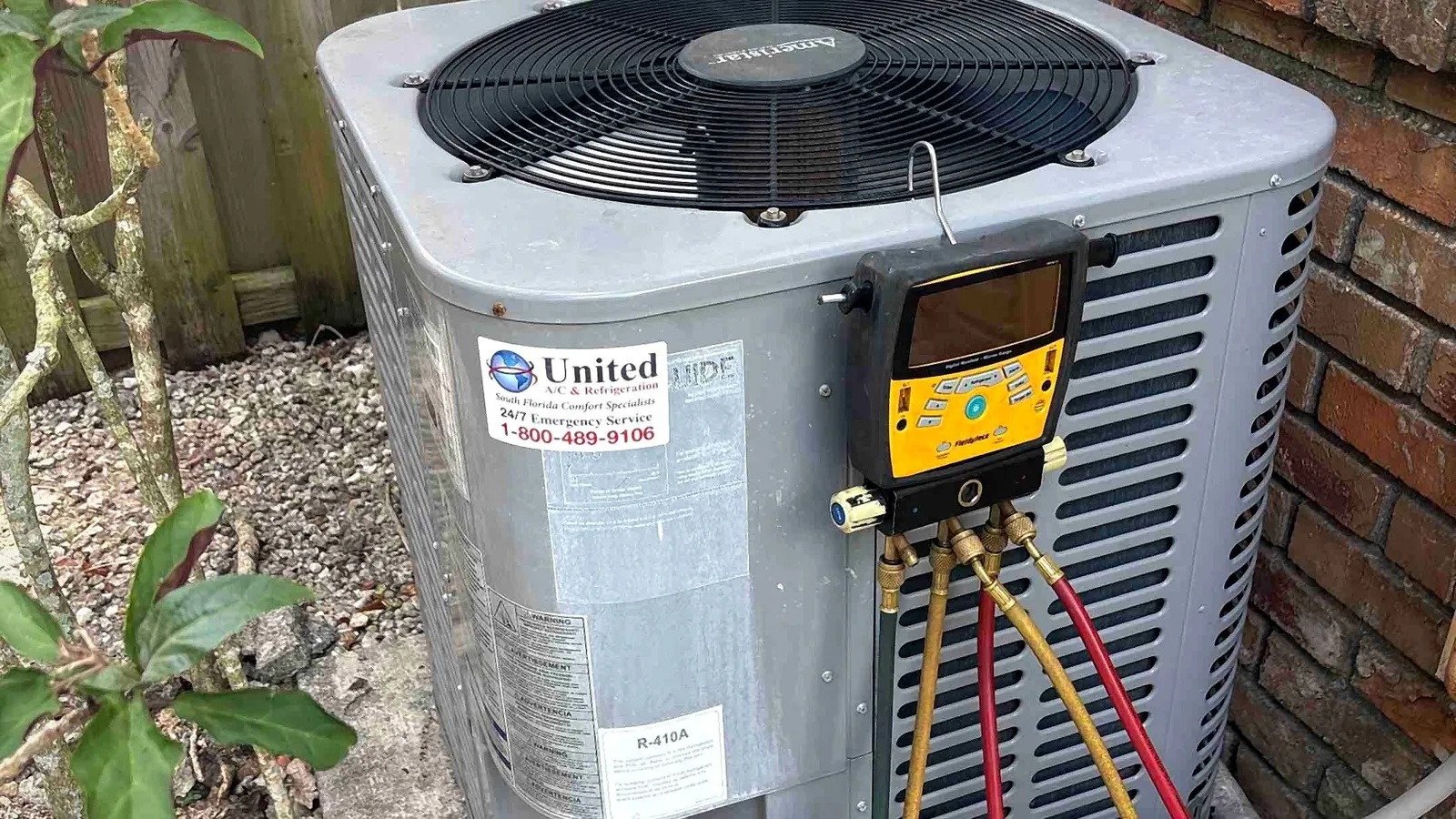
What actually qualifies as a refrigeration emergency?
A refrigeration emergency in a food-service kitchen tends to happen at the worst possible time — mid-service, overnight, or right before a delivery is due. How the first few minutes are handled often matters as much as how quickly help arrives, and a kitchen that knows what genuinely counts as an emergency, what to do immediately, and how to prepare in advance loses far less than one improvising in the moment. Here is what actually matters, in the order it matters.
A total loss of cold storage, a walk-in or reach-in that has clearly stopped holding temperature, or a failure affecting product that cannot be safely held any other way all qualify as genuine emergencies that need a fast response. A single reach-in running slightly warm with light or no product inside, by contrast, is a real problem worth addressing quickly but rarely an emergency in the same sense.
Scale changes the urgency
The honest distinction is exposure: how much product is at risk, and whether there is anywhere else to put it. A walk-in failure at a kitchen with no backup cold storage and a full delivery just received is a very different situation than the same failure at a kitchen with several reach-ins that can absorb the overflow temporarily. Knowing your own exposure ahead of time is part of what lets you judge urgency correctly in the moment rather than guessing under pressure.
Total power loss is its own category
A refrigeration failure caused by lost power to the building — from a storm, a grid issue, or an electrical problem — behaves differently than a single unit failing on its own power, because everything in the kitchen is affected at once, and the response has to account for that scale from the start.
The first ten minutes — move product, close doors, start the temperature log — matter more than anything that happens after the call is made.
United A/C & RefrigerationWhat should staff do in the first few minutes?
Move the most temperature-sensitive product first, close every door that does not need to be open, and start writing down what you're seeing — the time it started, the temperature reading, and what has already been done. These three things, done immediately, protect both the product and the decisions that will need to be made afterward.
Move product with judgment, not panic
If a working reach-in or walk-in has room, move the most perishable or highest-value items there first rather than trying to relocate everything at once. Ice, where available, can buy meaningful time for a case or a smaller unit. Every door left open unnecessarily during this process makes the problem worse for whatever is still inside, so close what you can as soon as product is moved.
Start the temperature log immediately
Whatever thermometer is on hand, record a reading and the time as soon as the problem is noticed, and keep recording periodically while the situation develops. This single habit does more to protect a kitchen's health-code position and its ability to make an honest call about what stayed and what was discarded than almost anything else done in the moment.
What information helps get a faster response?
Having your equipment type, roughly how long the problem has been happening, and what's currently at risk ready before you call cuts real time off the response, because it lets whoever answers route the call correctly the first time rather than working through basic questions on the phone while product sits at risk.
Useful details include which piece of equipment is affected, whether it is a walk-in, reach-in, or display case, whether the compressor or condensing unit is running at all, how much product is involved, and whether this is an isolated unit or part of a wider power issue. None of this needs to be precise — a reasonable estimate is enough — but having it organized in your head, or ideally written down as part of a kitchen's emergency plan, moves the call along faster than starting from scratch under pressure.
How does an emergency call actually get prioritized?
Genuine emergencies — total refrigeration loss, high product exposure, or a food-safety-critical failure — get prioritized ahead of routine and even same-day non-emergency calls, because the cost of delay is measured in spoiled product and real risk rather than inconvenience. That prioritization is honest triage, not a queue based on who called first.
What this means in practice is that a kitchen calling in with a clear, specific description of what's failing and what's at risk gets routed and dispatched faster than one calling with a vague complaint that has to be clarified first. It also means the busiest stretches — the height of storm season, or the hottest weeks of summer, when equipment across the region is under the same strain at once — are exactly when a clear, quick call matters most.
What can a kitchen do ahead of time to prepare?
Write down an emergency plan before you need one: where product goes if a unit fails, who to call, what thermometers and backup ice sources are on hand, and who on staff is responsible for starting the temperature log. A plan made calmly in advance is followed correctly under pressure; a plan improvised during an active failure rarely is.
Beyond the plan itself, the single most effective preparation is regular preventive maintenance on every piece of refrigeration equipment, since most emergencies trace back to a problem that was building for weeks before it became a full failure. Kitchens that also keep a working relationship with a service provider before an emergency happens — rather than searching for one during a crisis — consistently get faster, better-informed responses, because the history and the equipment details are already known.
What makes emergencies more common here
Storm-driven power loss is the leading cause of a true total-refrigeration emergency in this region, and it behaves differently from an isolated equipment failure because it hits every unit in a kitchen at once, often with little warning beyond the storm forecast itself. A kitchen's emergency plan should specifically account for that scenario — a generator sized for critical refrigeration, or at minimum a clear plan for ice and product triage during an extended outage, matters more here than in a region without a real hurricane season. Ordinary summer heat and humidity compound the risk even outside of storms: equipment running near its limit for months at a time has less margin to absorb a sudden fault, which is part of why emergency calls cluster in the hottest stretches of the year even when no storm is involved. Coastal kitchens add one more factor, since salt-laden air accelerates corrosion on outdoor condensing units and electrical contacts, occasionally causing a sudden failure in equipment that showed no obvious warning signs beforehand. None of this means emergencies are unavoidable here — it means the preparation that matters everywhere matters more, and pays off faster, in a climate and a storm pattern like South Florida's.
Serving Broward County and southern Palm Beach County from our shop in Deerfield Beach.
Questions and answers
Is a single warm reach-in with little product inside an emergency?
Usually not, in the sense of needing an immediate after-hours response, though it is still worth addressing promptly. The scale of what's at risk is what defines an emergency — a lightly loaded unit with backup cold storage available is a real problem worth a prompt call, but it rarely carries the same urgency as a fully stocked walk-in with nowhere else to put the product.
Should I try to fix a refrigeration failure myself before calling?
Beyond moving product, closing doors, and starting a temperature log, it is generally better to call rather than attempt a repair, particularly on anything electrical or involving refrigerant. Time spent troubleshooting past the basic safe checks is often time better spent protecting product and getting a technician on the way.
What should I have written down before an emergency happens?
A simple plan covering where product goes if a unit fails, who is responsible for calling and for logging temperatures, where backup ice or coolers are kept, and current contact information for a service provider. Written down and reviewed with staff occasionally, this turns a chaotic first few minutes into a routine anyone on shift can follow.
Does a power outage from a storm count as a refrigeration emergency?
Yes, and it is treated as one of the more serious versions, because it typically affects every piece of refrigeration in the building at once rather than a single unit. If you have a generator, prioritizing refrigeration on it is worth planning in advance; if you do not, the same product-triage and temperature-logging steps apply, just across more equipment simultaneously.
How fast can I expect an emergency response during the busiest weeks of summer or storm season?
Genuine emergencies are prioritized ahead of routine calls year-round, though the busiest stretches of summer and storm season mean higher overall demand across the region. A clear, specific call describing what's failing and what's at risk gets routed and dispatched as quickly as possible; tell the assistant what's happening and it will help get you moving.
What happens after the emergency repair is done?
A proper visit does not stop at getting the unit running again; it should identify why the failure happened, since most emergencies trace back to a root cause — a failing component, a slow refrigerant leak, a maintenance gap — that is worth fixing so the same emergency does not repeat. That follow-up conversation is worth having explicitly rather than assuming the fix is purely cosmetic.
How we know this
This advice comes from what our technicians actually find on service calls in Broward County and southern Palm Beach — not from national HVAC copy. Salt-air corrosion on the barrier island, drain lines that block every wet season, and equipment running nine months a year are local realities, and they change the right answer.
Worth disclosing: we install Amana equipment, so we are not an independent reviewer. Where a brand or product is discussed we say what it is good and bad at, and we will tell you when the honest answer is to repair what you have or do nothing yet.
Talk to a technician
Have a question this raised? The assistant answers what it can, takes your details, and hands you to a real person who confirms the day and time.