
Storm prep for commercial refrigeration and HVAC
A restaurant or commercial kitchen has more riding on a hurricane than comfort — walk-ins full of product, refrigeration that cannot simply be unplugged, and equipment that has to survive the storm and come back online fast. Here is how to prepare it properly.
What should be done to refrigeration before a storm arrives?
A hurricane threatens a commercial kitchen differently than it threatens a home. The stakes are not just comfort — they are walk-ins and freezers full of inventory that cannot simply wait out a power outage, refrigeration equipment that has to survive wind and water exposure outdoors, and a business that needs to be able to reopen quickly once the storm passes. None of that happens by accident. It takes a plan that starts before the storm is named, covers what to do in the final hours before landfall, and does not end the moment the power comes back on.
Start by getting every box as cold as it can safely run, well before the storm is close, so it has the maximum head start once power is at risk. A walk-in or reach-in that is already at the coldest end of its safe range buys meaningfully more time without power than one running at the warmer end of its normal cycle, because it has more thermal mass working in its favor before temperatures start climbing.
Check the seals before you need them
A door gasket that leaks even slightly does real damage on an ordinary day; during an outage, when the box has no compressor running to compensate, that same leak accelerates how fast the interior warms. A pre-storm check of door seals and hardware on every walk-in and reach-in is worth doing every season, not just when a storm is approaching.
Consolidate and know your inventory
Consolidating product into fewer, fuller boxes before a storm, rather than spreading it across several partially full units, keeps more thermal mass working for you and lets you prioritize which equipment matters most if power has to be managed selectively.
Once the compressor is not running, every door opening is pure loss — there is no cycle coming to recover it.
United A/C & RefrigerationHow long will a walk-in actually hold temperature without power?
It depends on how full it is, how well insulated and sealed it is, and how disciplined everyone is about the door — there is no single number that applies to every box. A well-insulated, tightly sealed walk-in that is kept shut and was pre-cooled going into the outage will hold a safe temperature far longer than one that is opened repeatedly out of habit or curiosity during the outage.
Every door opening spends stored cold
Once the compressor is not running, every door opening is pure loss — there is no cycle coming to recover it. Treating a dark walk-in like an emergency supply closet, opened only when genuinely necessary, is the single biggest factor an operator actually controls once the power is out. Posting a simple rule for staff during an outage — doors stay shut unless something specific needs to come out — protects more product than almost anything else available at that point.
Is running a generator for refrigeration during an outage a good plan?
For a business that cannot afford to lose its cold storage during a power outage, a generator plan is worth having, but it has to be built correctly and in advance to actually work when it matters. Refrigeration circuits should be the priority load if power has to be rationed across a generator's capacity, ahead of general kitchen power or interior lighting, because refrigeration is the equipment protecting inventory rather than just comfort.
Get the connection right, and get it checked
Connecting a generator into a building's electrical system safely requires the correct transfer equipment, installed and inspected properly — backfeeding a panel without the right equipment is a genuine hazard to utility workers and to the building itself, not just a code technicality. This is not something to improvise in the hours before a storm; if a generator is part of the plan, the electrical side of that plan needs to be worked out, tested, and ready well before hurricane season starts, not assembled the week a storm is forecast.
What about rooftop and outdoor condensing units?
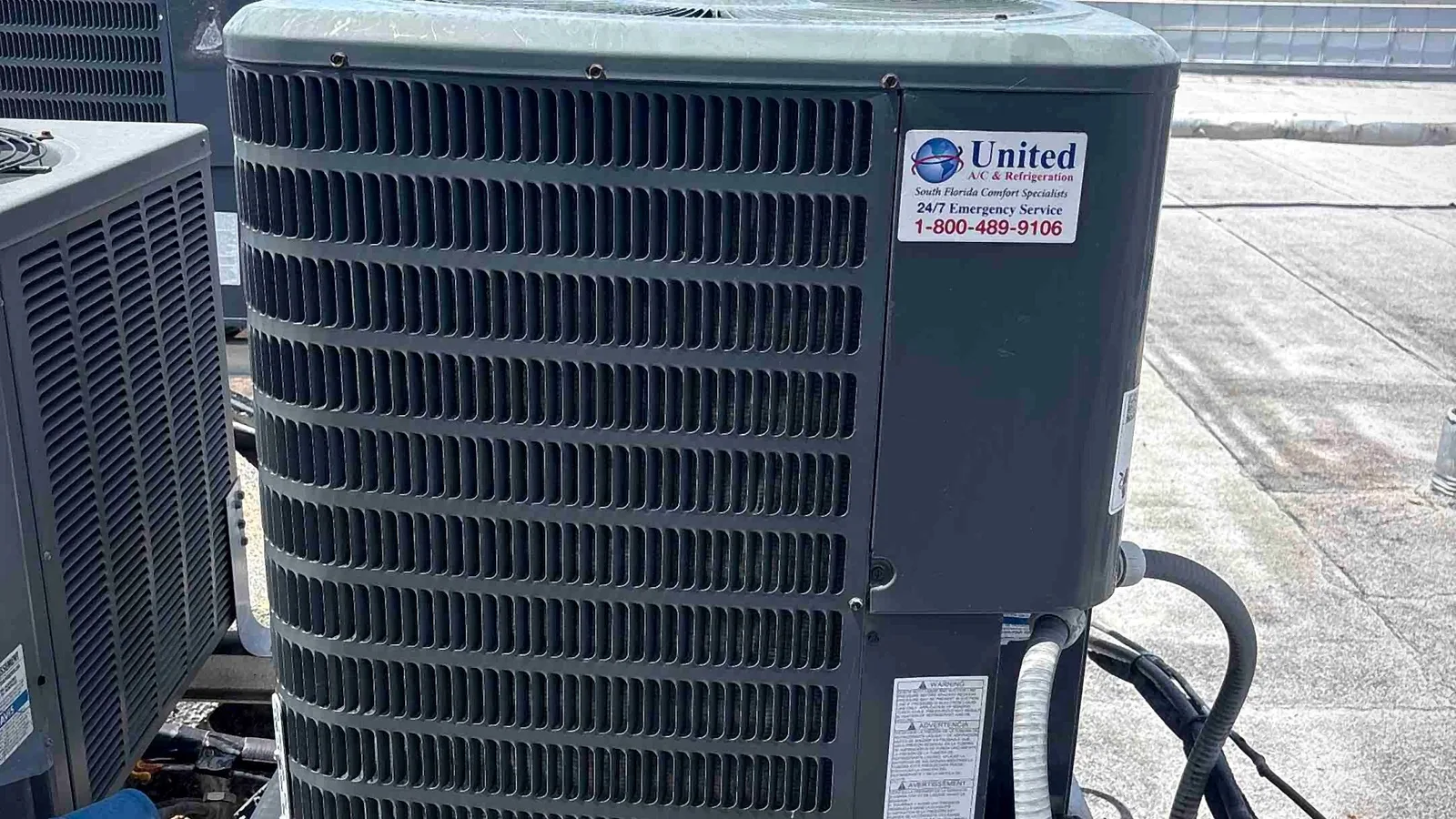
Outdoor refrigeration and HVAC equipment faces the storm directly, and it needs its own pre-season and pre-storm attention separate from anything happening inside the kitchen. Debris, loose panels, and anything that could become a projectile near a condensing unit should be cleared or secured ahead of a storm, and the unit's cage or housing should be checked for anything already loose that wind could turn into damage.
Flooding is the bigger risk for many units
Ground-level condensing units are vulnerable to storm surge and standing water in a way rooftop units generally are not, which is worth factoring into where new equipment gets placed during any future replacement or fit-out. A unit that has been in standing water should not simply be powered back on once the water recedes — electrical components exposed to floodwater need to be inspected before they are energized again, because restarting equipment with water-damaged electrical parts risks a much bigger failure than the storm itself caused.
What should happen right after the storm, before reopening?
Inspect before you power up, not the other way around. Walk the outdoor equipment first, looking for obvious physical damage, standing water around the base of any unit, or debris that made it into a condenser cage during the storm. Equipment that looks physically sound is not automatically safe to restart, particularly anything that sat in or near floodwater.
Inside, check every walk-in and reach-in's actual temperature before assuming product is fine, rather than assuming it held simply because the outage was short. If a box drifted into an unsafe range for any meaningful stretch of time, that is a food-safety decision, not just an inconvenience, and it should be treated that way rather than judged on smell or appearance alone. Getting refrigeration and rooftop HVAC checked by someone qualified before a full reopening, rather than simply flipping breakers back on and hoping, is what actually protects both the equipment and the ability to reopen without a second, worse problem showing up days later.
Hurricane season is a planning problem here, not a weather problem
South Florida commercial kitchens live with hurricane season for roughly half of every year, which means storm prep cannot be a scramble triggered by a forecast — it has to be a standing plan that gets reviewed and tested before the season starts, then executed quickly when a specific storm is tracking toward Broward or southern Palm Beach. The coastal and near-coastal kitchens common along the intracoastal and barrier-island commercial corridors carry the added factor of salt-air exposure on outdoor equipment even outside of storms, which is worth addressing on a normal maintenance schedule so equipment is in its best possible condition heading into the season, not already compromised before the first storm of the year even forms. Power outages here can range from a few hours to, after a serious storm, considerably longer, so a plan built only for a short interruption can fall short when it matters most. The kitchens that come through a storm season with the least disruption are consistently the ones that treated the plan as a standing part of operations, checked well before June, rather than something assembled in the days before a specific storm arrived.
Serving Broward County and southern Palm Beach County from our shop in Deerfield Beach.
Questions and answers
Should we turn off our AC and refrigeration before a hurricane?
Refrigeration should generally stay on and pre-cooled right up until power is actually lost, since keeping product cold as long as possible is the goal. HVAC and other non-essential equipment are more reasonable to power down ahead of a storm, particularly if flooding or surge is a real risk at the site. The priority is protecting refrigerated product; everything else is secondary to that.
How do we protect product if we lose power for several days?
Pre-cooling boxes to the coldest safe setting before the storm, minimizing door openings during the outage, and consolidating inventory into fewer, fuller units all extend how long product stays safe. Beyond a couple of days without power, though, a generator plan or arranged backup cold storage becomes the realistic answer — door discipline alone cannot indefinitely extend a walk-in's hold time.
Is it safe to run a generator into our building's electrical panel?
Only with the correct transfer equipment installed and inspected in advance — never by backfeeding a panel directly, which is dangerous to utility workers and to the building's own electrical system. If a generator is part of your storm plan, that connection needs to be set up properly well before hurricane season, not improvised in the days before a storm.
Can salt air or storm conditions damage rooftop units even without flooding?
Yes. Wind-driven salt spray and debris can affect rooftop and outdoor condensing units even at sites that never see standing water, and it is a slower, cumulative form of damage rather than a single dramatic event. Regular maintenance that includes coil condition and cabinet inspection helps outdoor equipment enter hurricane season in better shape, regardless of whether a specific storm causes direct damage.
How soon after a storm can we safely restart refrigeration and HVAC?
Only after a visual inspection confirms no standing water around outdoor units, no obvious physical damage, and no signs of electrical exposure to water. Equipment that sat in or near floodwater should be inspected before being energized, not simply switched back on. When conditions allow, having equipment checked by someone qualified before a full reopening is the safer sequence, even if it delays reopening slightly.
Should we schedule a check before hurricane season starts?
Yes, and it is one of the more useful things an operator can do proactively. A pre-season check of door seals, coil condition, and outdoor equipment catches the kind of small issues — a weakening gasket, a coil already working harder than it should — that turn a short outage into a real product loss or turn ordinary storm exposure into equipment damage.
How we know this
This advice comes from what our technicians actually find on service calls in Broward County and southern Palm Beach — not from national HVAC copy. Salt-air corrosion on the barrier island, drain lines that block every wet season, and equipment running nine months a year are local realities, and they change the right answer.
Worth disclosing: we install Amana equipment, so we are not an independent reviewer. Where a brand or product is discussed we say what it is good and bad at, and we will tell you when the honest answer is to repair what you have or do nothing yet.
Talk to a technician
Have a question this raised? The assistant answers what it can, takes your details, and hands you to a real person who confirms the day and time.