
Why repairs cost more in August
It is not a myth: air conditioning repairs genuinely get more expensive and slower to schedule at the height of summer. Here is the honest explanation, rooted in demand and physics rather than a seasonal markup, and what actually helps avoid it.
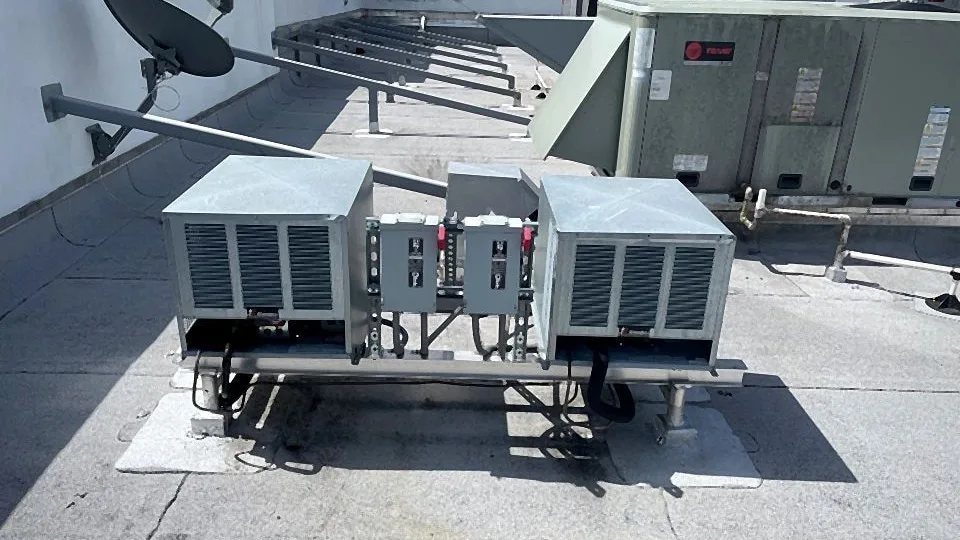
Why do AC repairs seem to cost more in August specifically?
Ask anyone in this trade and they will tell you the same thing: August is different. It is not that pricing changes on a calendar, and it is not a seasonal markup baked into an invoice. It is that the entire system — equipment, technicians, parts supply, and homeowner urgency — is under more strain at once, and that strain shows up as higher costs and longer waits for the exact same repair that would be quicker and cheaper in February. Understanding why makes the timing easier to plan around, even when the heat itself cannot be helped.
The honest answer is demand, not a hidden seasonal price increase. A repair that would be scheduled during normal business hours in a slower month often becomes an urgent, same-day, or after-hours call in peak summer, because a house without cooling in August heat is not something most people can simply wait out. Urgent and after-hours work costs more to deliver — it means pulling a technician off a scheduled route, running past normal hours, or prioritizing one household's emergency over another's routine appointment — and that cost structure is what shows up on an August invoice more than any change in the repair itself.
It is the same repair, different conditions
A failed capacitor or a refrigerant leak is priced the same way in principle regardless of the month. What changes is how many other households need the exact same fix at the exact same time, and how much flexibility that leaves in scheduling and staffing to meet it without a premium.
It is the same repair either way; August just means everyone needs it in the same week.
United A/C & RefrigerationIs it really about demand, or does the heat itself damage equipment more?
Both, and they compound each other. South Florida systems run harder in August than in any other month — longer cycles, higher humidity load, and less overnight relief for the equipment to rest — which means components genuinely fail at a higher rate exactly when everyone else's equipment is failing too. Capacitors, contactors, and fan motors are wear items that give out under stress, and August is peak stress for a system that has already been running hard since spring.
Why failures cluster instead of spreading out
Equipment installed around the same era, run in similar conditions, tends to reach end-of-life around the same time, and August's heat load is often the final push that turns a marginal part into a failed one. That is why an entire neighborhood can seem to have AC trouble in the same week — it is not coincidence, it is the same equipment generation under the same seasonal stress arriving at failure together.
Why does the wait get longer too, not just the cost?
Because the number of technicians available on any given day does not scale up and down with the weather, while the number of households needing a repair does. In a slower month, a company can generally offer next-day or even same-day routine appointments with room to spare. In peak August, every hour of every technician's day is often already accounted for by the time a new call comes in, which pushes routine repairs out further and reserves the fastest response for genuine no-cooling emergencies.
This is also why triage matters more in summer than any other time of year. A system that is cooling poorly but still running gets scheduled differently than one that has stopped entirely, because the second household has no cooling at all in the worst possible month to be without it. Being clear about what the system is actually doing when you call helps get you correctly prioritized rather than stuck behind less urgent work.
Can I avoid the August surge?
Not entirely, but you can meaningfully shift your odds. A system serviced with a spring pre-season checklist, before the heavy season starts, gets a chance to have failing capacitors, low refrigerant, and dirty coils caught and addressed before they turn into an August emergency. Regular maintenance does not guarantee a system will never fail in summer, but it removes a meaningful share of the predictable, wear-related failures that otherwise show up at the worst time.
If your system is older or has needed repeated repairs over the past couple of seasons, having an honest conversation about replacement before summer, rather than during it, avoids making that decision under emergency pressure with the fewest options and the least time to compare them properly.
Does the type of repair matter more in summer than it would otherwise?
Yes, in the sense that the same fault carries higher stakes when the house has no cooling reserve to fall back on. A capacitor failure in a mild month might mean a slightly warm afternoon before the appointment; the same failure in August can mean a house climbing into genuinely unsafe territory within hours. That urgency is real and legitimate, and it is part of why summer no-cooling calls get treated as a different category of appointment than a routine seasonal check-up, with the scheduling and staffing that implies.
It also means the value of catching small issues early with a real tune-up is highest right before summer, since a minor repair addressed in April prevents the exact kind of full failure that becomes an emergency call in August.
Why South Florida feels the August squeeze harder than most places
The entire Sun Belt runs its cooling equipment hard in summer, but South Florida's season is longer and more relentless than almost anywhere else in the country, which means the equipment here is already worn down from months of heavy use before August's peak even arrives. A system in Broward or southern Palm Beach has typically been running since March, through a wet season that adds humidity load on top of heat, so by the time August's highest temperatures hit, a lot of equipment is running on borrowed time rather than starting fresh. Parts distribution feels the same regional squeeze — when Florida, Texas, and the rest of the Gulf Coast are all pulling on the same national supply of common components at once, availability tightens everywhere, not just locally. And because so much of the region's housing runs cooling nearly year-round rather than seasonally, there is less of a natural off-season lull here than in a four-season climate, which is exactly why getting ahead of summer with spring maintenance matters more in this climate than almost anywhere else.
Serving Broward County and southern Palm Beach County from our shop in Deerfield Beach.
Questions and answers
Is it actually cheaper to get AC repairs done in the off-season?
Generally, yes, though the underlying repair itself is not priced differently by season. Cooler months have more scheduling flexibility, less pressure toward emergency or after-hours service, and fewer households competing for the same appointment slots, which tends to make routine repairs faster and less likely to require premium urgent scheduling.
Why do emergency or after-hours AC calls cost more in summer?
Because delivering that response costs more to provide — it means pulling a technician outside normal scheduled hours or prioritizing one urgent call ahead of others. In summer, a much larger share of calls genuinely qualify as urgent, so more of the work happens under those conditions, which is reflected in how it is priced.
Does the heat itself make repairs harder or slower to perform?
It can. Technicians working on rooftop or attic equipment in August heat are dealing with genuinely difficult conditions, which affects how many jobs can reasonably be completed in a day compared with milder months. This is one more factor feeding into why summer scheduling is tighter than the rest of the year.
Will spring maintenance actually lower my chances of an August breakdown?
It meaningfully reduces the odds, though it cannot eliminate them entirely. Maintenance catches worn capacitors, low refrigerant, and airflow restrictions before they turn into full failures, which removes a real share of the predictable breakdowns that otherwise happen under peak summer stress.
Are AC parts actually harder to get in summer?
Sometimes, yes. Because most of the Sun Belt is under peak cooling demand simultaneously, national demand for common wear parts like capacitors and motors rises everywhere at once, which can tighten availability compared with a slower month when demand is more spread out.
Why does it feel like everyone's AC breaks in the same week in August?
Because it often does. Equipment installed around the same era, running under the same seasonal heat and humidity load, tends to reach the end of its wear cycle around the same time. August's peak stress is frequently the final push that turns marginal, aging components into failures across many households at once, which is why it feels like a wave rather than a coincidence.
How we know this
This advice comes from what our technicians actually find on service calls in Broward County and southern Palm Beach — not from national HVAC copy. Salt-air corrosion on the barrier island, drain lines that block every wet season, and equipment running nine months a year are local realities, and they change the right answer.
Worth disclosing: we install Amana equipment, so we are not an independent reviewer. Where a brand or product is discussed we say what it is good and bad at, and we will tell you when the honest answer is to repair what you have or do nothing yet.
Talk to a technician
Have a question this raised? The assistant answers what it can, takes your details, and hands you to a real person who confirms the day and time.