
What actually drives energy costs in a commercial kitchen
The energy bill in a commercial kitchen is shaped less by any single piece of equipment and more by how hard a handful of systems are working around the clock. Here is what actually drives that load, and what is worth paying attention to.
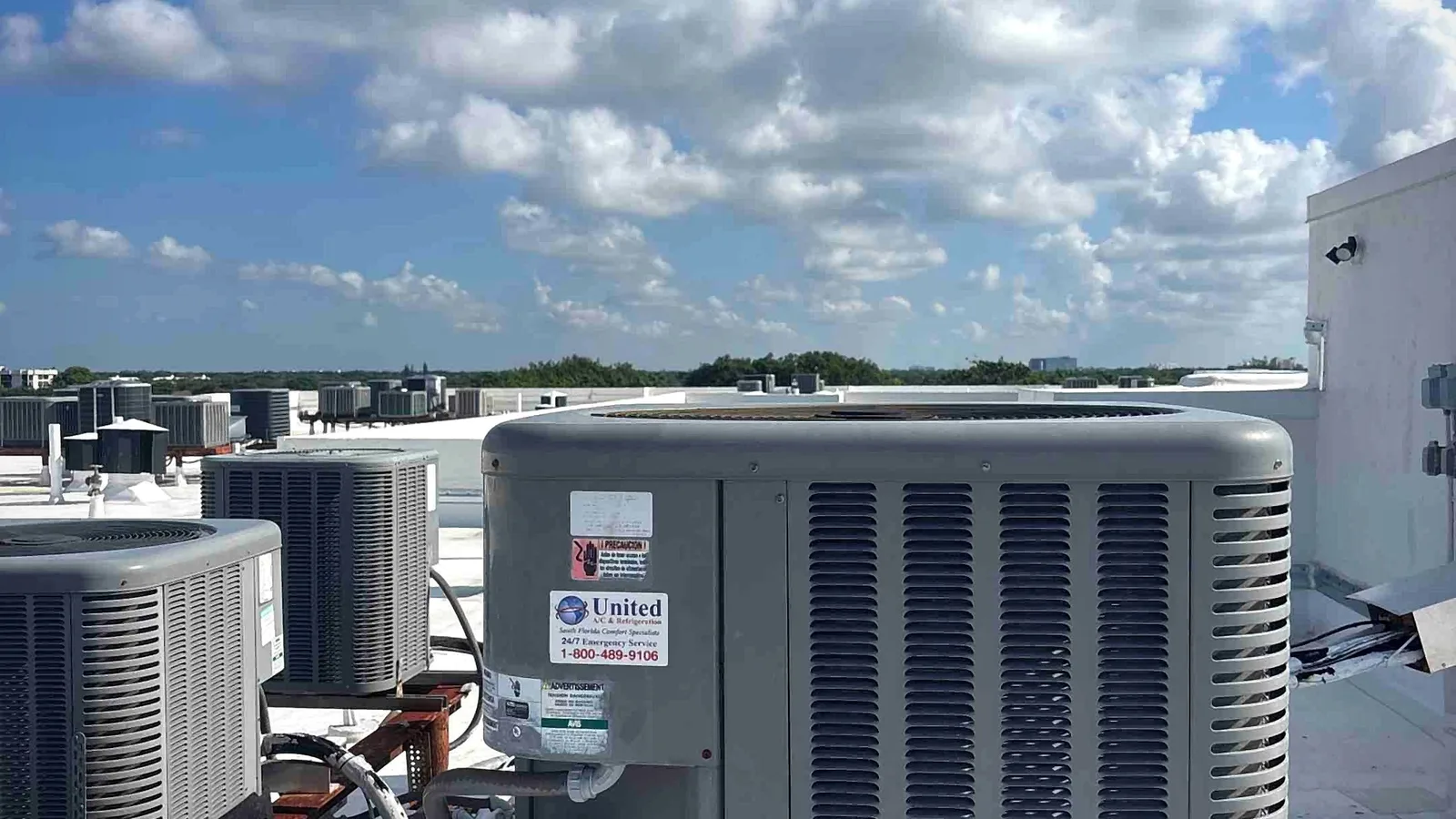
What actually uses the most energy in a commercial kitchen?
Ask a kitchen operator what drives their energy bill and the answer is usually the biggest piece of equipment in the room — the walk-in, the hood, the rooftop units. The real answer is less about any one machine and more about how continuously a handful of systems run and how much extra work they are quietly doing. A commercial kitchen's energy load is built from duty cycles, airflow, and habits far more than it is built from any single appliance's rated draw. Understanding where the load actually comes from is what separates a kitchen that manages its energy use from one that just pays whatever the bill says.
Refrigeration and the systems that condition kitchen air use more energy, more consistently, than almost anything else in the building, because they run around the clock rather than in bursts. Cooking equipment draws heavily but only while it is on; a walk-in cooler or freezer is working every hour of every day, including the hours the kitchen is closed. That constant duty cycle is why refrigeration deserves more attention as an energy driver than its footprint in the kitchen would suggest.
HVAC is fighting the kitchen, not just the weather
The building's air conditioning is not only offsetting outside heat — it is offsetting the heat the kitchen itself generates from the line, the dish pit, and every piece of running equipment. A kitchen that runs hot generates a cooling load that has nothing to do with the weather outside, and in a full-service kitchen that internal load can rival or exceed what the building envelope itself contributes — worth sizing against a SEER efficiency calculator when specifying or replacing the rooftop units carrying it.
None of the real drivers of a kitchen's energy bill are a single piece of equipment — they are how hard a handful of systems are quietly working, hour after hour, all year.
United A/C & RefrigerationWhy does refrigeration cost more to run than people expect?
Because it is never really off, and small losses accumulate across every one of those hours. A walk-in or reach-in holding temperature correctly still cycles its compressor on and off constantly to hold that setpoint, and anything that makes each cycle work harder — a weak door seal, a coil fighting for airflow, a box that is overstocked and blocking circulation inside — adds load that repeats hour after hour, all year. None of those factors show up as a single dramatic event; they show up as a bill that is higher than the equipment's rating would suggest and a compressor that is working harder than it should for the same result.
The duty cycle is the real driver
Two identical pieces of refrigeration equipment, one well maintained and one neglected, can have meaningfully different energy use for the exact same job, purely because of how efficiently each one is completing its duty cycle. That is the piece worth managing, more than the equipment's rated efficiency on paper.
How does the exhaust hood affect energy use beyond the hood itself?
The hood's biggest energy cost is usually not the exhaust fan — it is the makeup air brought in to replace what the hood pulls out. Every cubic foot of kitchen air the hood exhausts has to be replaced by an equal volume of outside air, and in a South Florida kitchen that air arrives hot and heavily loaded with moisture. Conditioning that makeup air, whether it is cooled, dehumidified, or both, is a real and continuous energy draw that is easy to overlook because it gets attributed to the HVAC system rather than to the hood that is actually driving the demand for it.
Run time matters more than horsepower
A hood running longer than the actual cooking schedule requires — left on through prep, left on during a slow stretch of service — pulls that conditioned makeup air the whole time it runs. Matching hood run time to actual cooking activity, rather than leaving it on as a default, is one of the more direct ways a kitchen affects its own energy use without touching a single piece of refrigeration.
Does condenser coil condition really change the energy bill?
Yes, and it is one of the few energy drivers a kitchen has direct control over. A condenser coil coated in grease, dust, or, for outdoor coastal units, salt residue cannot shed heat as efficiently, which forces the compressor to run longer and work harder to move the same amount of heat. In a commercial kitchen, grease-laden air from cooking exhaust settles on nearby equipment more than it does in a typical building, which makes coil condition a bigger factor here than in most commercial energy conversations.
It compounds with everything else
A dirty coil does not just cost energy on its own; it makes every other inefficiency worse, because the whole system is already working from a deficit before a door gets left open or a box gets overstocked — a condenser worth placing correctly in the first place, as covered in our restaurant refrigeration fit-out guide. Keeping refrigeration coils clean and clear of obstruction is a maintenance habit, not a design choice, and it is one of the more reliable ways to keep the equipment's actual energy use close to what it was designed to be.
How much does door discipline actually matter?
More than most kitchens assume, because every open door forces the refrigeration to redo cooling work it had already finished. A walk-in propped open during a rush, or a reach-in left ajar while a line cook works through a ticket, lets warm kitchen air pour in continuously rather than in the brief burst of a quick open-and-close. The compressor then has to remove that heat and moisture all over again, on top of its normal duty cycle.
This is one of the purely behavioral drivers of energy use in a kitchen, separate from anything mechanical, and it is also one of the fastest to correct — a habit of closing doors promptly, keeping walk-in traffic organized so staff are not going in and out repeatedly for single items, and not using a walk-in door as a prop or a shortcut through the kitchen all reduce the load without spending anything on equipment. It is a small thing that adds up exactly because it happens dozens of times a shift, every shift.
Why the load runs heavier here than up north
South Florida's climate changes the math on every driver above. The cooling season here runs most of the year, so the HVAC-versus-kitchen-heat battle described above is not a summer problem — it is a year-round one, which means refrigeration and hood makeup air are working against outside conditions for far more hours annually than the same kitchen would face in a milder climate. Humidity adds another layer: makeup air replacing what the hood exhausts is not just hot here, it is heavy with moisture, which takes more energy to condition than dry heat alone would. Coastal kitchens carry a further factor — salt-laden air accelerates the buildup and corrosion that degrade coil performance over time, which means a coil-condition issue that would be minor inland can become a real energy driver faster near the water. None of this changes the fundamentals; refrigeration duty, makeup air, coil condition, and door discipline are the same four drivers everywhere. It changes how much they cost in run hours, and in a kitchen operating in Broward or southern Palm Beach nearly year-round, that difference is significant.
Serving Broward County and southern Palm Beach County from our shop in Deerfield Beach.
Questions and answers
Does turning equipment off during closed hours actually help?
For cooking equipment and the hood, yes — anything that is not running is not drawing power or pulling makeup air. Refrigeration is different: it needs to stay on continuously to protect product, so the goal there is not turning it off but making sure it is not working harder than it has to, through clean coils, good door discipline, and a sound seal, since it never gets an off period to make up for wasted load.
Is a bigger exhaust hood always worse for energy use?
Not necessarily — a hood sized correctly for the cooking equipment underneath it is more efficient than one that is undersized and has to run at a higher speed to compensate, or one that is oversized and pulls more makeup air than the kitchen actually needs. The goal is matching the hood to the equipment and the actual cooking load, not simply choosing bigger or smaller.
Does upgrading refrigeration equipment lower the energy load meaningfully?
It can, particularly when replacing something old, worn, or undersized for the kitchen's current volume, since aging equipment loses efficiency well before it fails outright. Whether an upgrade is worth pursuing depends on the condition and age of what is currently running and how hard it is being used — a well-maintained newer unit and a neglected one of the same rated efficiency can perform very differently in practice.
How often should condenser coils be cleaned to keep energy use in check?
More often than a lot of kitchens assume, especially in a South Florida kitchen where grease-laden cooking exhaust and, near the coast, salt residue both settle on outdoor coils faster than in a typical building. Coil cleaning belongs in scheduled refrigeration maintenance rather than as a reaction to a warm box, since by the time performance visibly drops, the coil has usually been working at a deficit for a while.
Can staff behavior really move the needle on the energy bill?
Yes, more than most operators expect. Door discipline on walk-ins and reach-ins, prompt closing after each use, and not leaving the hood running outside of actual cooking activity are all behavioral, not mechanical, and they cost nothing to change. Because they happen dozens of times a shift, small habits compound into a real, measurable difference over a full month of operation.
Should refrigeration and HVAC be serviced together for energy purposes?
It makes sense to think about them together, since they are effectively fighting the same heat load in a working kitchen, but they are still separate systems with separate maintenance needs. Coordinating service visits, so coil condition, airflow, and duty cycle are checked on both systems around the same time, tends to catch developing inefficiencies before they show up as a noticeably higher bill.
How we know this
This advice comes from what our technicians actually find on service calls in Broward County and southern Palm Beach — not from national HVAC copy. Salt-air corrosion on the barrier island, drain lines that block every wet season, and equipment running nine months a year are local realities, and they change the right answer.
Worth disclosing: we install Amana equipment, so we are not an independent reviewer. Where a brand or product is discussed we say what it is good and bad at, and we will tell you when the honest answer is to repair what you have or do nothing yet.
Talk to a technician
Have a question this raised? The assistant answers what it can, takes your details, and hands you to a real person who confirms the day and time.