
AC service access in a high-rise or condo tower
A technician cannot simply pull into the driveway and start work. Building access, association approval, and rooftop or chase logistics all come first — this walks through what a high-rise or condo AC appointment actually involves, and how to make it go smoothly.
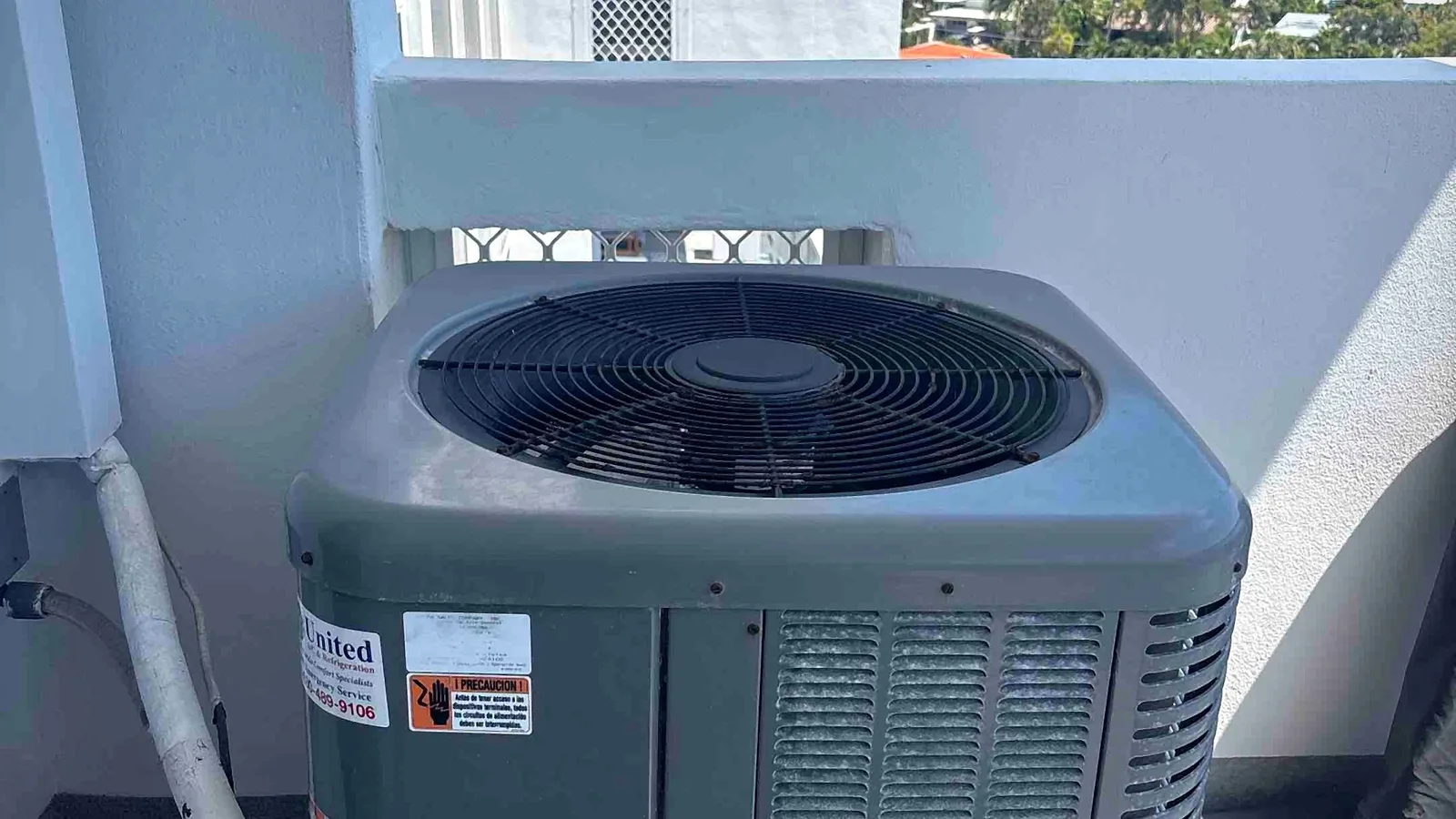
Why does scheduling an AC visit in a condo tower take extra steps?
Servicing an air conditioner in a high-rise or condo tower starts well before a technician touches the equipment. Buildings along the coast and inland corridors alike run their own access rules: insurance paperwork, elevator bookings, guest lists, sometimes an engineering department that has to sign off before anyone opens a mechanical chase. None of it is unreasonable; a tower is managing hundreds of units and shared systems at once. But it does mean a condo AC appointment has a different rhythm than a house call, and knowing the steps ahead of time is what keeps a routine repair from stretching into a week of scheduling back and forth.
Because a technician has to clear the building before clearing your unit. Most associations require a current certificate of insurance on file with the property manager before any outside contractor is allowed past the lobby, and that document has to name the building correctly and often needs to be renewed annually. Add a front-desk sign-in, a photo ID check, and, in buildings with a single freight elevator serving dozens of floors, a reserved time slot for hauling tools and parts up, and the appointment window becomes something the building sets as much as you do.
What to have ready
Call your property management office before you call for service and ask what they require: an insurance certificate, a work order form, a reserved elevator slot, or a specific arrival window. Passing that along when you book the appointment is the single biggest time saver, and it is worth doing even for a simple repair call.
A condo AC appointment starts at the front desk, not at the air handler.
United A/C & RefrigerationWhat kind of AC system does a condo tower actually use?
It depends on the building's age and how it was originally engineered, and the answer changes what a service call involves. Many older towers use individual package units, a self-contained air conditioner mounted through the wall or on the balcony that handles one unit start to finish, similar in principle to what serves a house. Others, particularly buildings built around a central mechanical plant, run a shared condenser water loop: each unit has its own water-source heat pump that rejects heat into a common pipe loop rather than to its own outdoor condenser.
Why the difference matters
A package unit problem is usually contained to your unit, and a technician can diagnose and repair it the way they would a house system. A loop problem can be building-wide, since low loop water temperature or pressure affects every connected unit at once, which is why a single unit blowing warm in a loop building sometimes turns into a call to building engineering rather than a straightforward repair. Some newer or renovated towers have moved to individual ductless systems mounted on a balcony or in a mechanical closet, which behave much closer to a standard split system.
Who has to approve work on a condo's AC equipment?
It depends on where the line falls between what you own and what the association owns, and that line is drawn in the building's governing documents, not by assumption. In most towers the AC equipment itself, the unit, the air handler, the loop connection or condenser, belongs to the owner and is the owner's responsibility to maintain and replace. The wall it passes through, the mechanical chase it sits in, the roof or balcony structure around it, and any shared loop piping are common elements the association controls.
What that means for a repair or replacement
A straightforward repair inside your own unit rarely needs sign-off beyond the building's standard access rules. Anything that involves cutting into a chase, running new refrigerant lines along an exterior wall, working on a rooftop condenser, or connecting to the water loop typically needs the building's engineering staff or a work order approved by management first, and some associations require the contractor to be on an approved vendor list. Asking your property manager this question before scheduling a replacement saves a wasted trip.
What should a resident have ready before the technician arrives?
A short list of preparation turns a tower appointment from a scheduling puzzle into a routine visit. Confirm with the front desk or property manager that the technician's name and company are on the day's approved list, and that any required insurance certificate is current and on file. An expired one is the most common reason a tech gets turned away at the desk. If the building uses a freight elevator, book the reserved slot for the appointment window rather than assuming a passenger elevator will do; carrying tools, a ladder, or replacement parts through a lobby elevator is against most building rules.
Access inside the unit
Clear a path to the air handler, whether it sits in a hall closet, a balcony chase, or a utility room, and make sure any storage that has accumulated in front of it is moved. If the equipment is on a balcony, unlock and clear that access too. None of this is different from what any homeowner does before a visit; it is simply layered on top of the building's own requirements.
How is replacing a condo AC system different from replacing one in a house?
The equipment itself is not that different; getting it to the unit is. A house replacement rolls new equipment through a side yard or garage. A high-floor condo replacement has to move that same equipment through a lobby, a freight elevator, and a hallway, which means confirming ahead of time that the new equipment fits the elevator car and doorways, and that the old unit's disposal is arranged the same way.
Timing and the loop
If the building runs a shared water loop, a replacement usually needs a scheduled shutdown of that section of the loop, coordinated with building engineering so other units are not affected mid-appointment. That coordination step is the main reason a tower replacement is booked further in advance than a house replacement, and it is worth starting the conversation with your property manager as soon as you know a system is nearing the end of its service life.
Condo towers here bring their own site conditions
The high-rise stock along the Broward and southern Palm Beach coastline adds a few conditions that inland towers do not deal with as much. Equipment mounted on an oceanfront balcony or a rooftop mechanical deck faces the same salt-air exposure as any coastal condenser, only more of it. Height puts the unit directly in onshore wind with nothing to break it up, which is why coastal towers tend to see condenser and electrical component wear faster than a similar system set at ground level a few miles inland. Older towers along the barrier island and the intracoastal corridor were also built well before today's access and insurance norms, so their mechanical chases and rooftop layouts were not always designed with easy technician access in mind, a detail worth asking your property manager about if a system is due for service. Newer construction, and the master-planned mid-rise buildings further from the water, tend to have more accessible mechanical rooms and more standardized vendor procedures, which is part of why the paperwork step matters everywhere but the physical access step varies so much building to building.
Serving Broward County and southern Palm Beach County from our shop in Deerfield Beach.
Questions and answers
Do I need to provide insurance paperwork for a simple repair?
Most buildings require a certificate of insurance on file for any contractor before they clear the lobby, even for a small repair, because the requirement is building-wide rather than tied to the size of the job. Check with your association ahead of time; if a certificate is already on file from a previous visit, it may just need confirming, not resubmitting.
What is a PTAC unit and do I have one?
PTAC stands for packaged terminal air conditioner, a self-contained unit, usually mounted through an exterior wall, that houses the whole cooling system in one box. It is common in older towers and hotel-style condo buildings. If your unit's AC lives entirely in one cabinet near a window or balcony wall rather than having a separate outdoor condenser, that is likely what you have.
Can I choose my own AC company, or does the building require one?
In most associations, yes, you can choose your own licensed contractor, though the building may require them to carry specific insurance and follow its access procedures. Some buildings maintain a preferred or pre-approved vendor list for convenience, but that is different from requiring it. Confirm the specific rule with your property manager before booking, since it varies building to building.
How far in advance should I book a freight elevator for AC work?
As early as you can once you know the appointment date, since freight elevator slots in busy towers fill up days or even weeks ahead, particularly for anything involving hauling equipment rather than a small toolbag. Ask your building's front desk or engineering office what their booking lead time is; it varies widely between buildings.
Will my neighbors be affected if my unit shares a water loop?
Only if the work requires shutting down or draining a section of the shared loop, which is uncommon for a routine repair but standard for a full replacement. Building engineering coordinates that shutdown and typically notifies affected units in advance. A repair confined to your own equipment usually has no effect on anyone else on the loop.
What happens if the technician cannot get building clearance the day of the appointment?
The visit gets rescheduled, which is the outcome everyone is trying to avoid with the paperwork steps above. If your building has strict same-day clearance rules, confirming that day's approved list with the front desk that morning, not just the week before, is the safest way to prevent a wasted trip.
How we know this
This advice comes from what our technicians actually find on service calls in Broward County and southern Palm Beach — not from national HVAC copy. Salt-air corrosion on the barrier island, drain lines that block every wet season, and equipment running nine months a year are local realities, and they change the right answer.
Worth disclosing: we install Amana equipment, so we are not an independent reviewer. Where a brand or product is discussed we say what it is good and bad at, and we will tell you when the honest answer is to repair what you have or do nothing yet.
Talk to a technician
Have a question this raised? The assistant answers what it can, takes your details, and hands you to a real person who confirms the day and time.